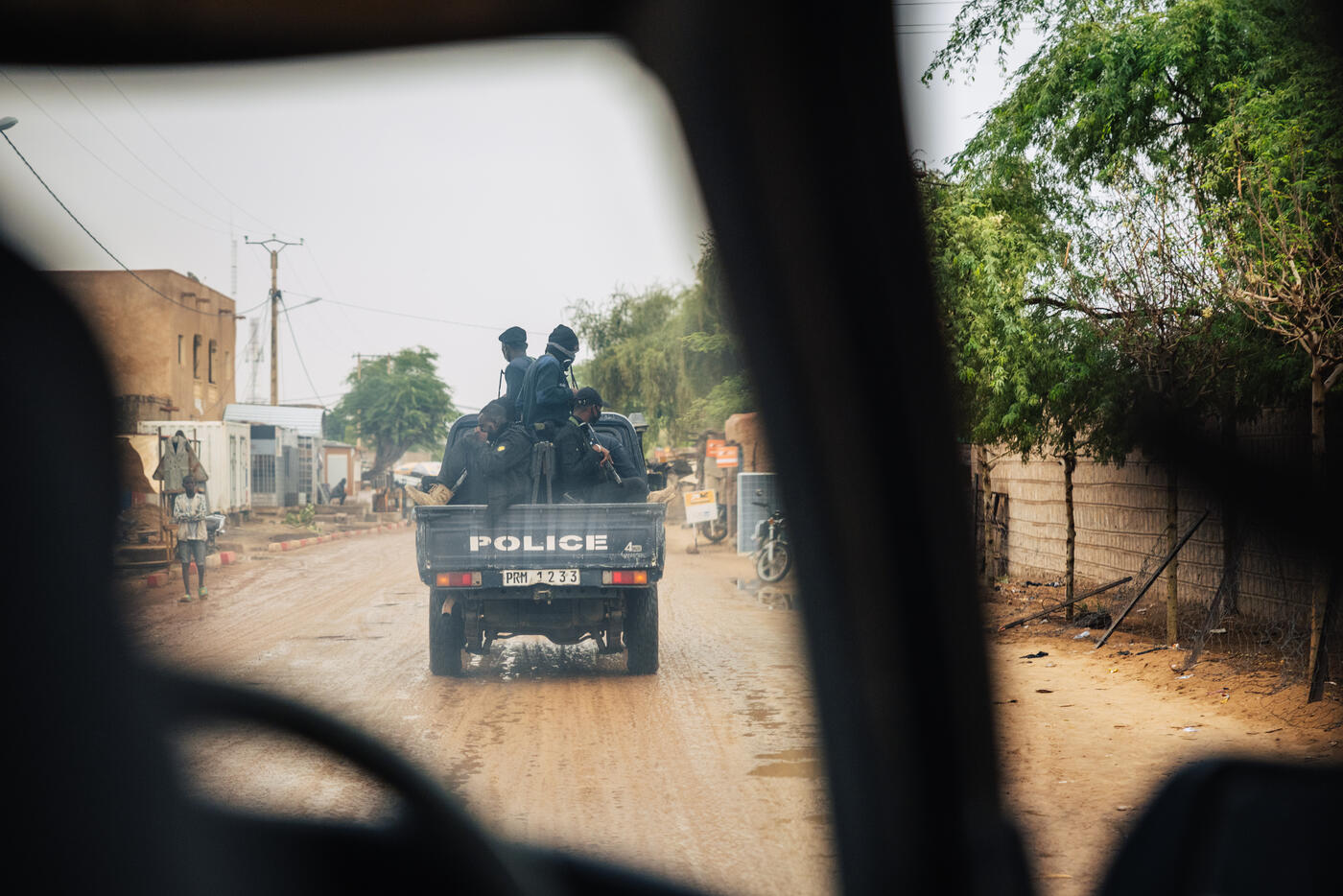
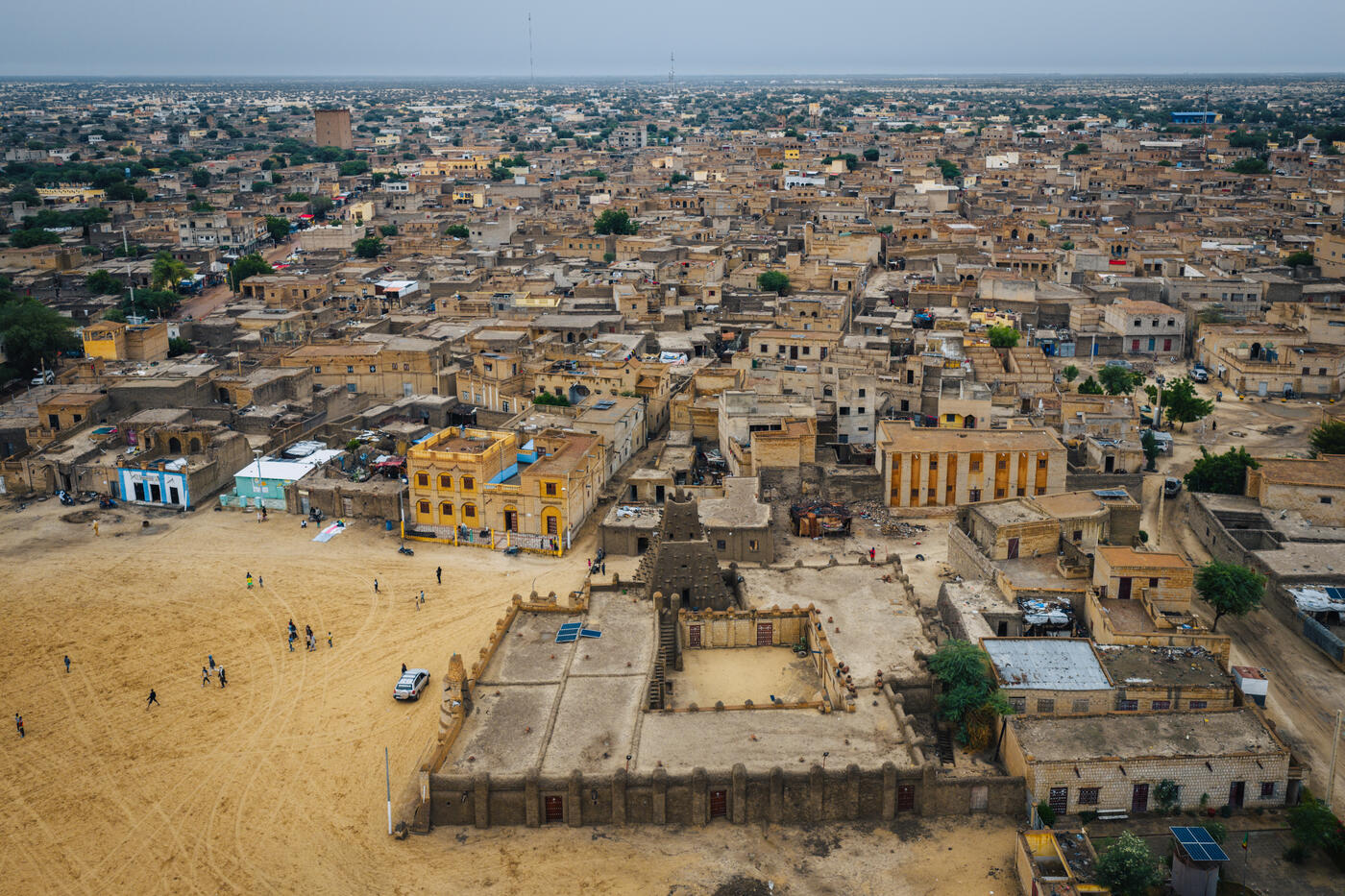
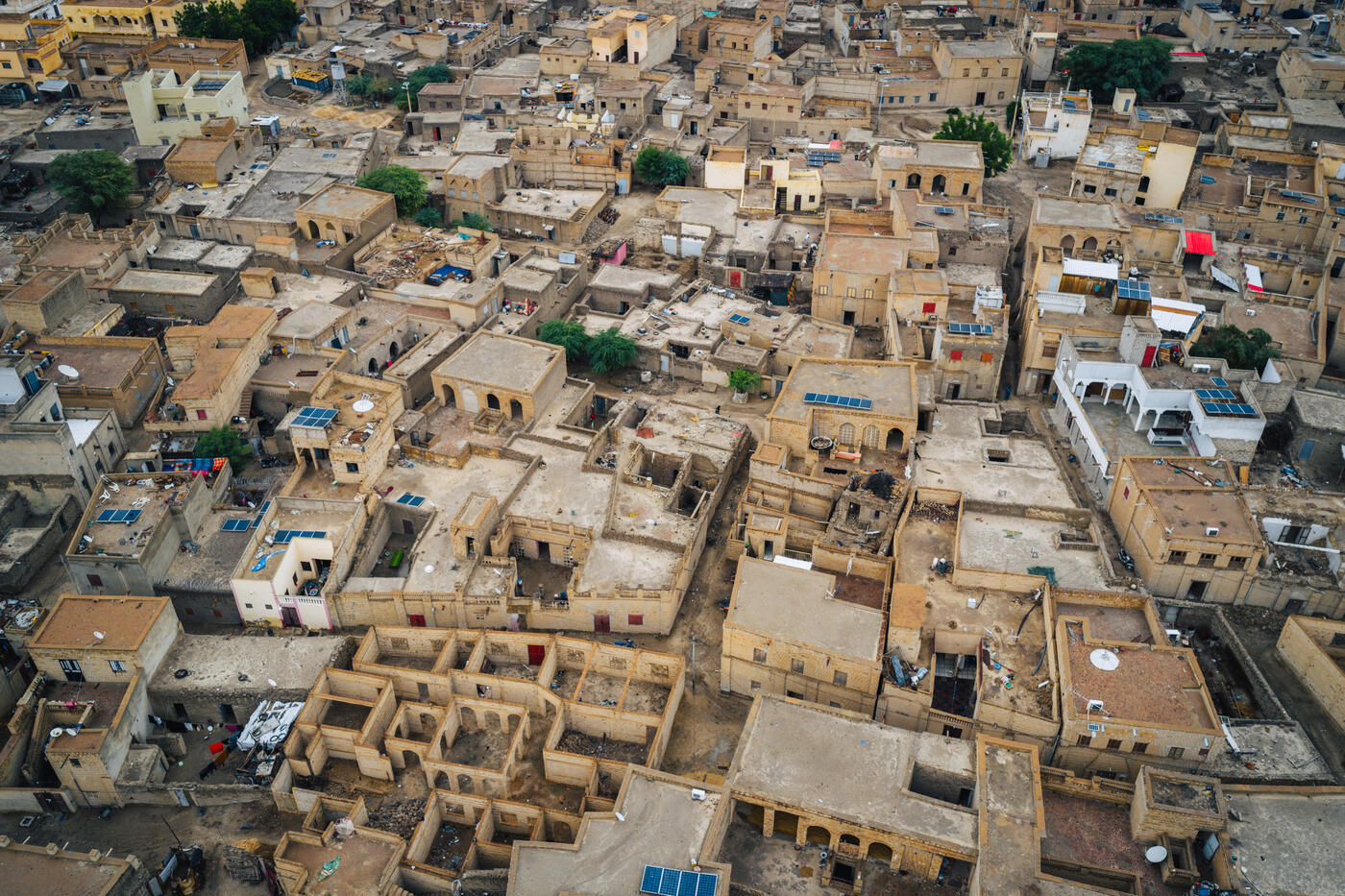
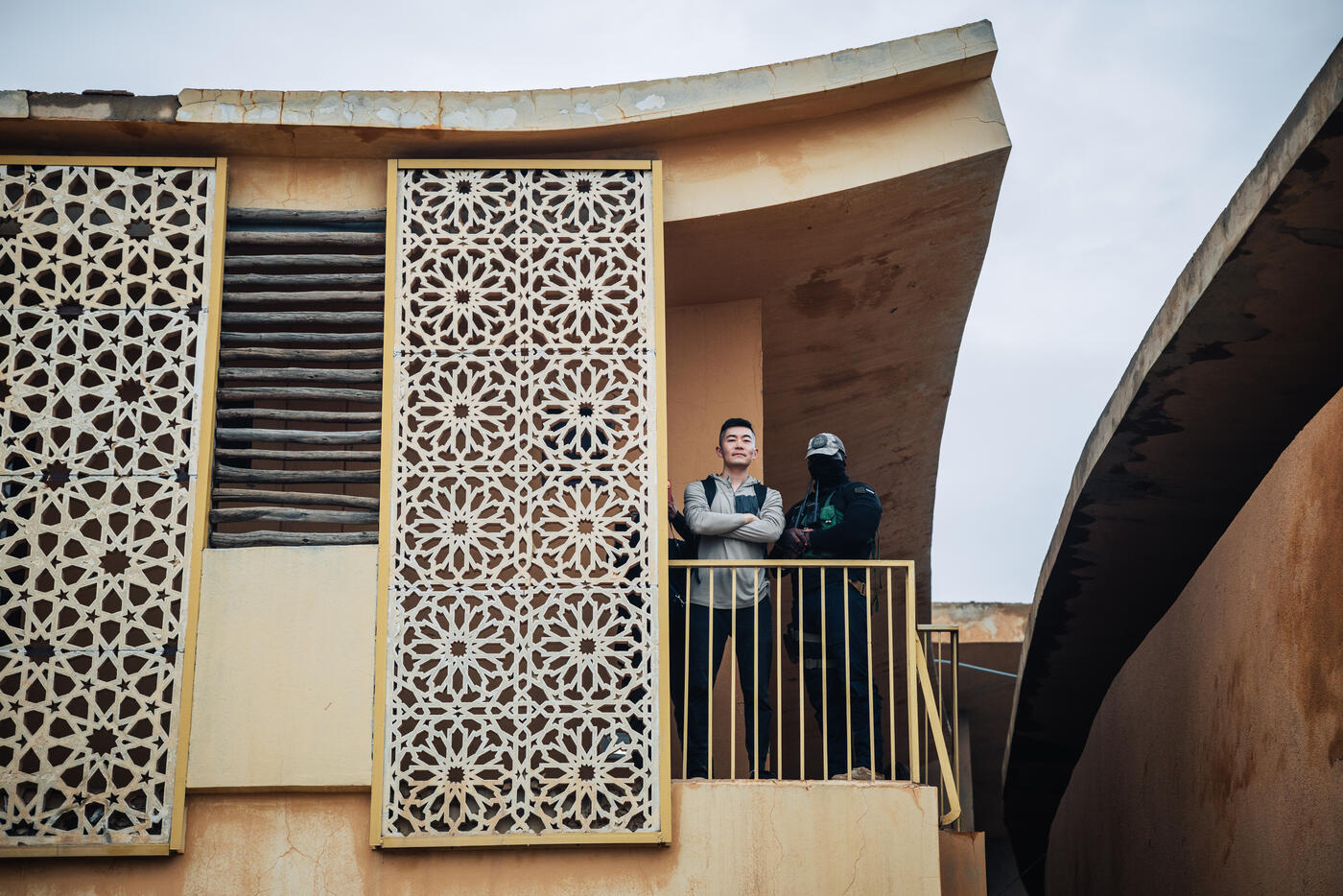
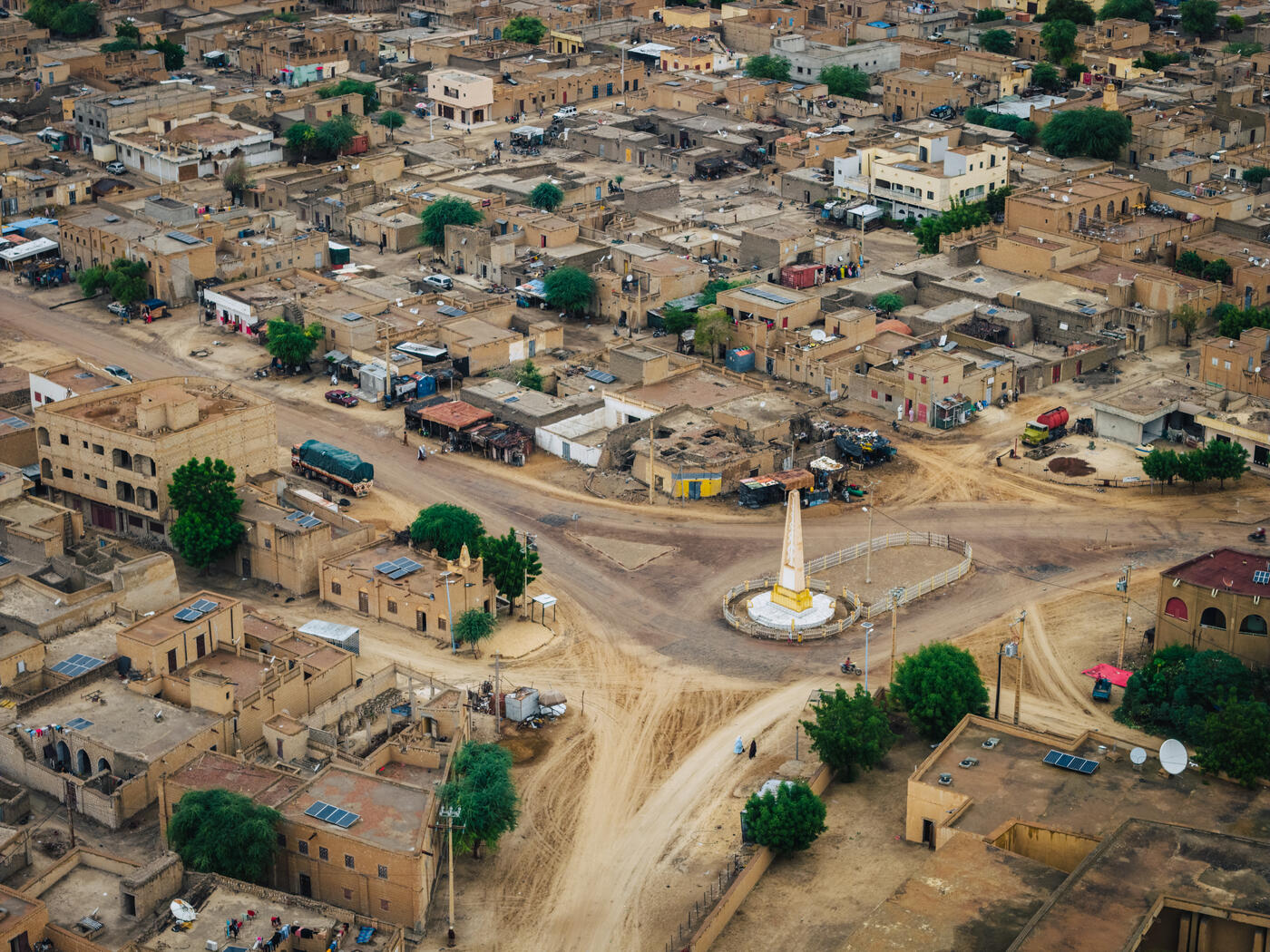
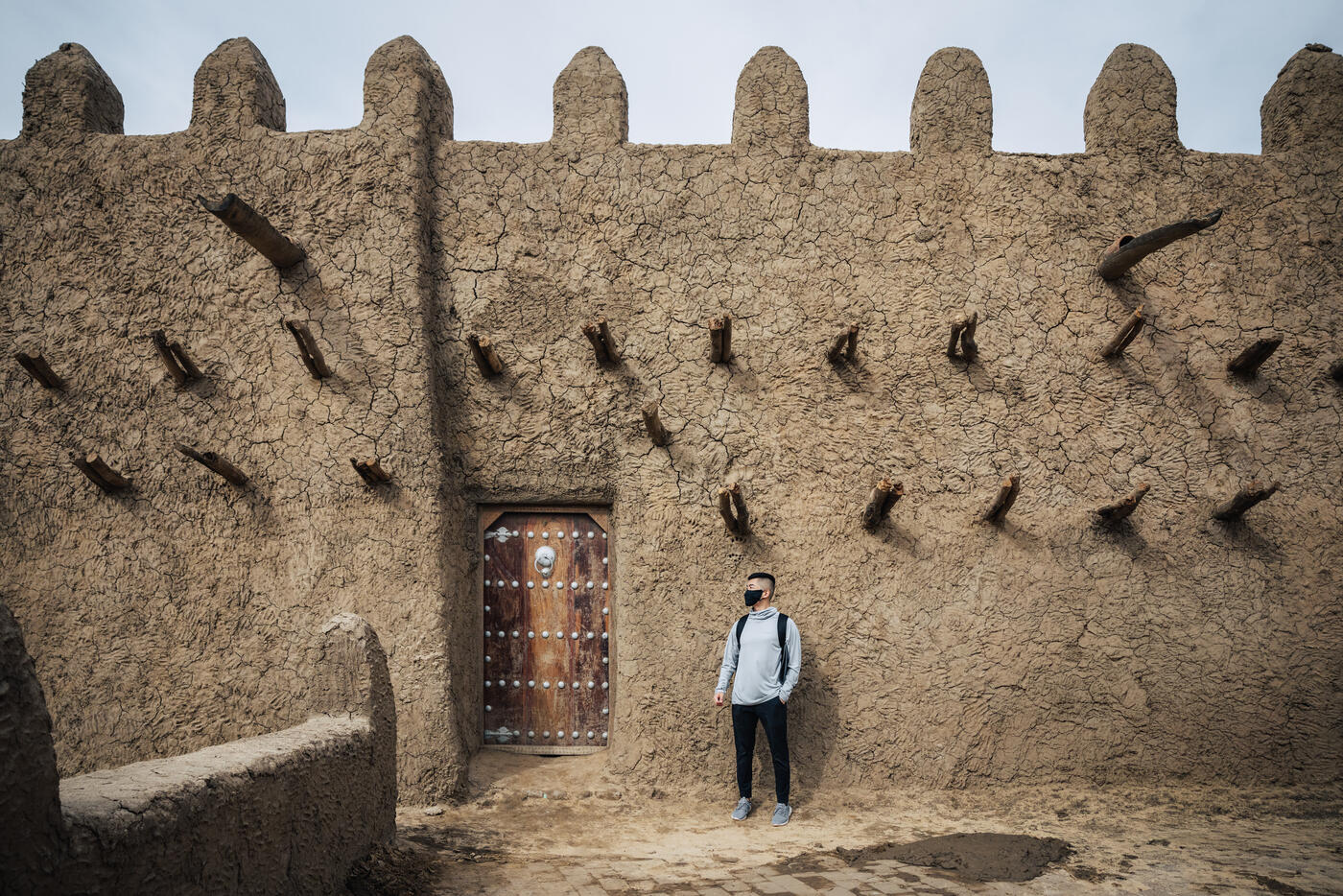
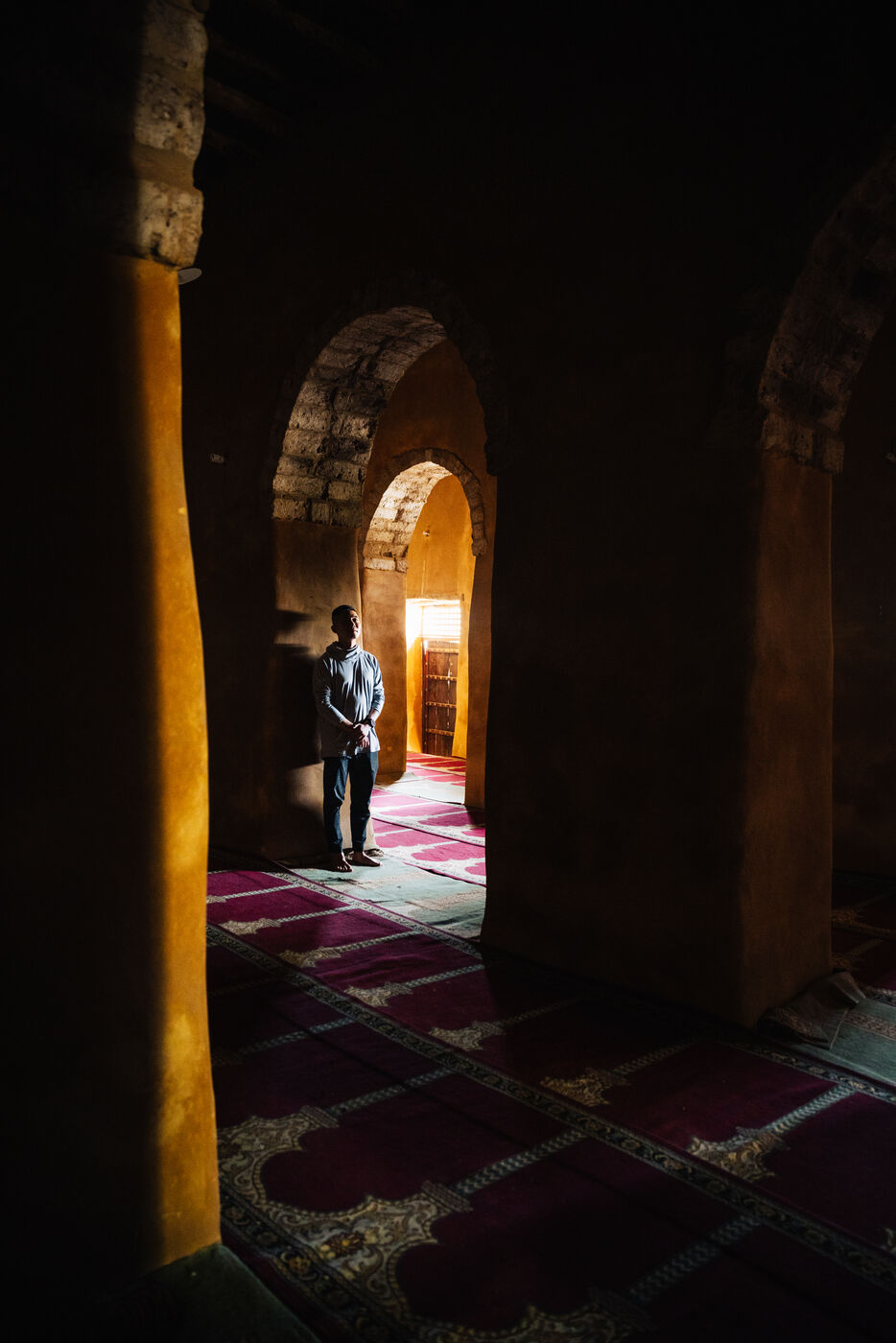
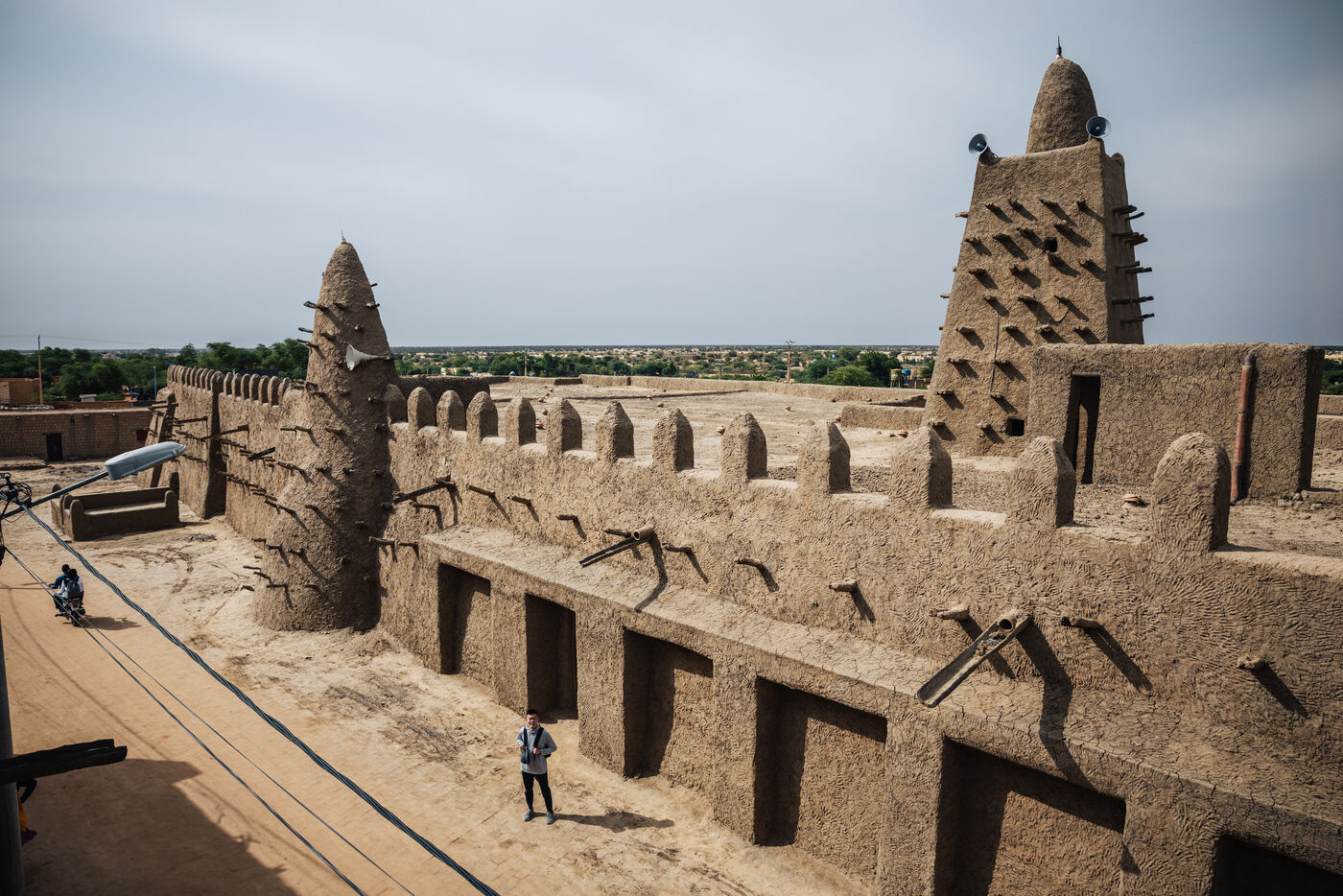
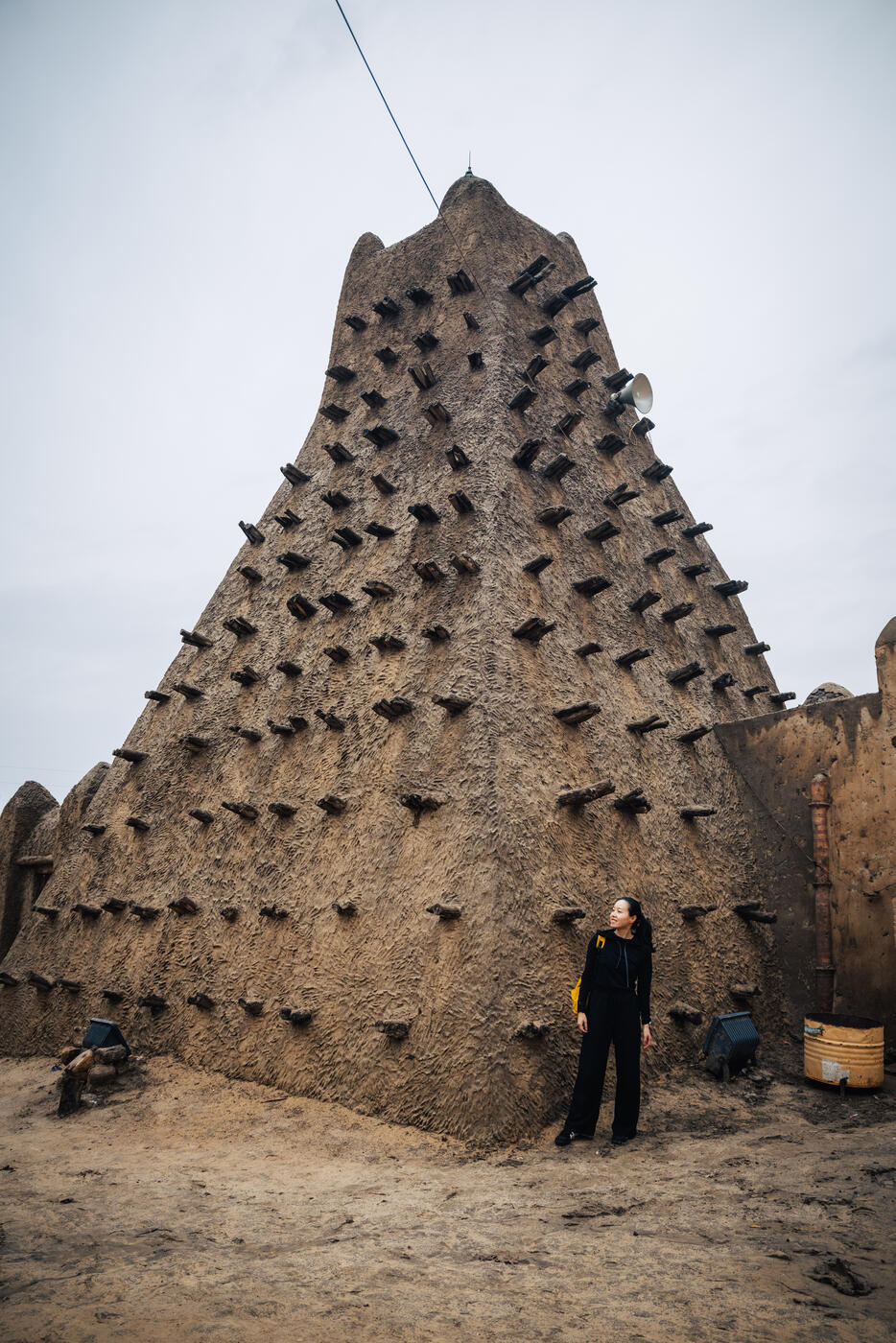
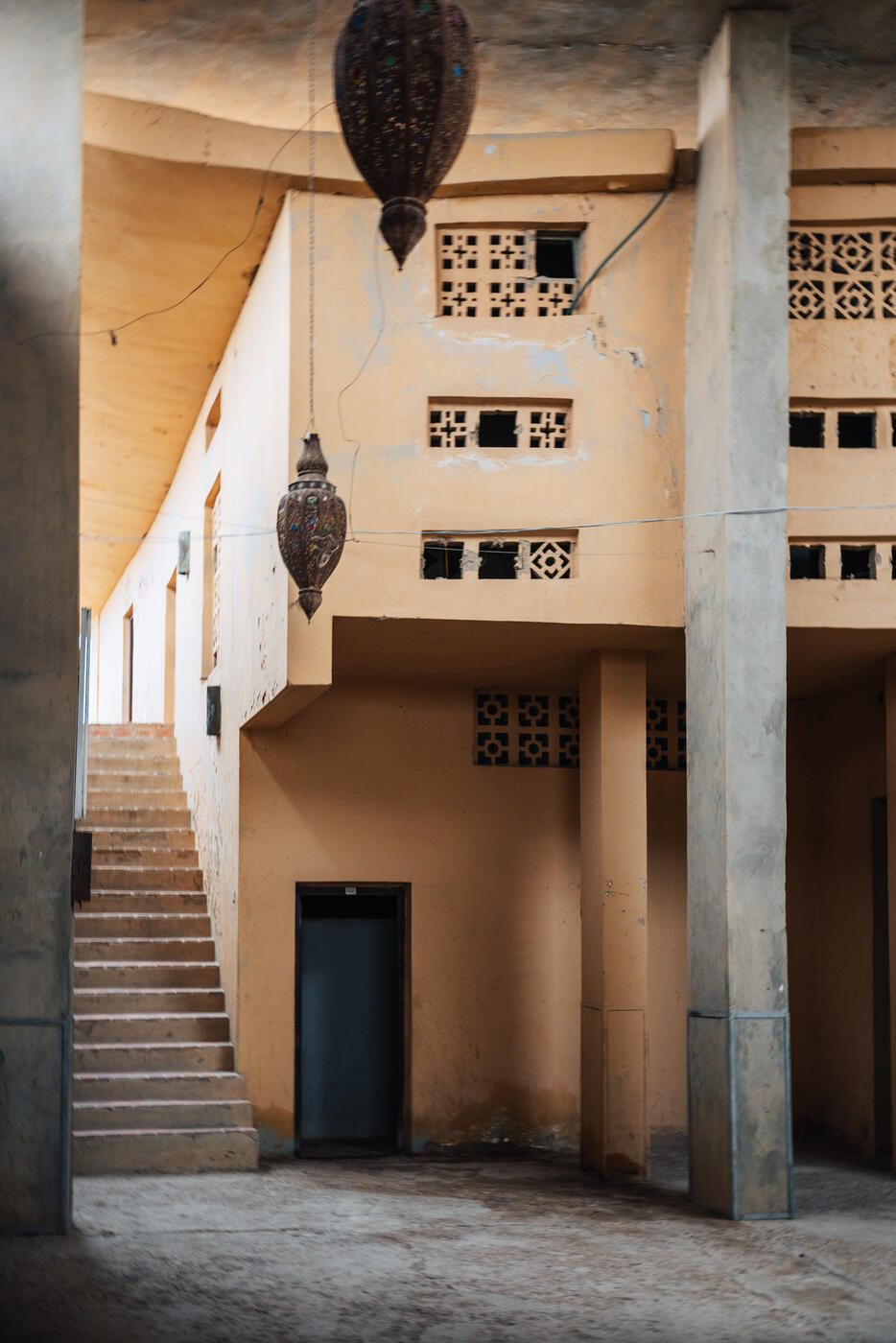
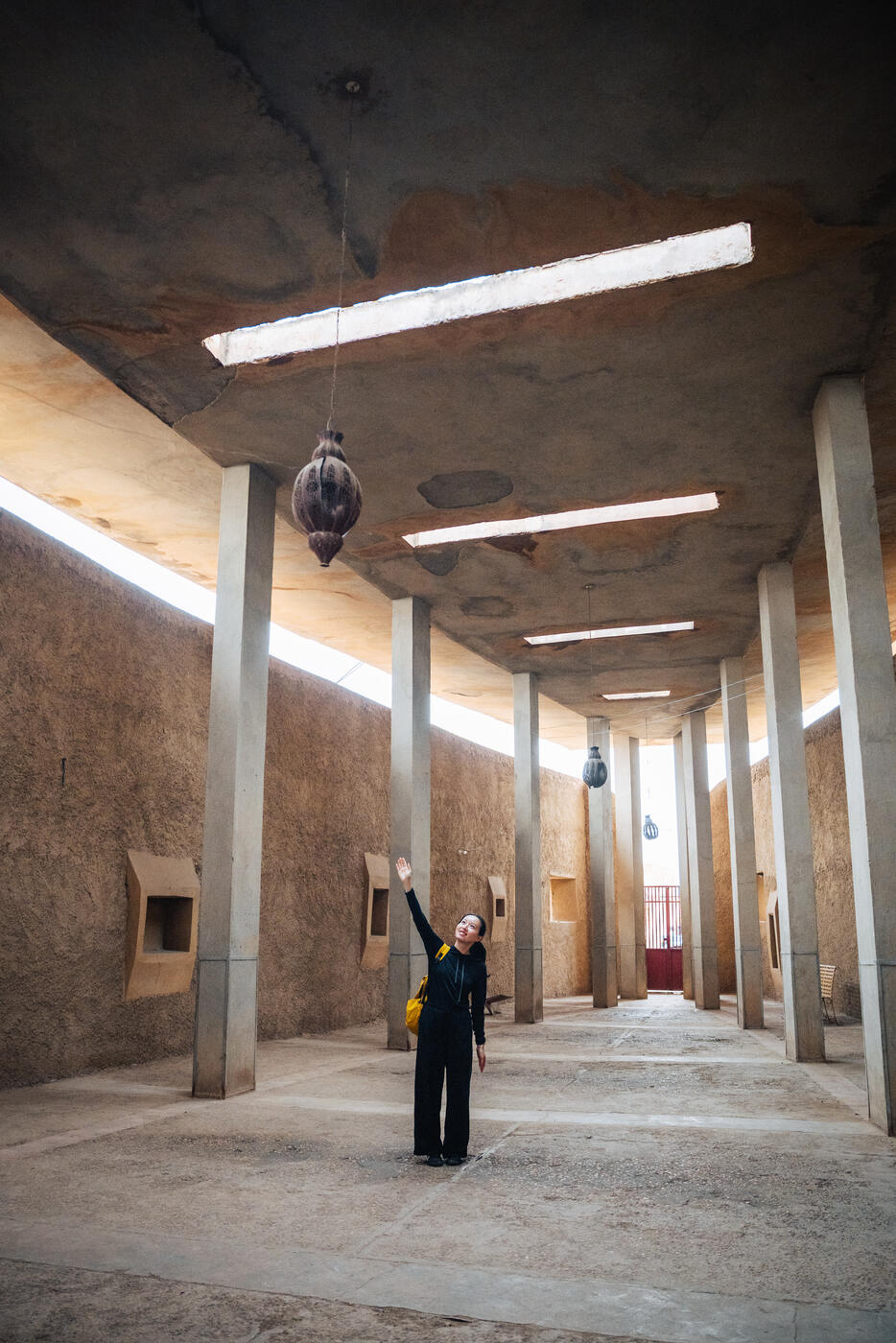
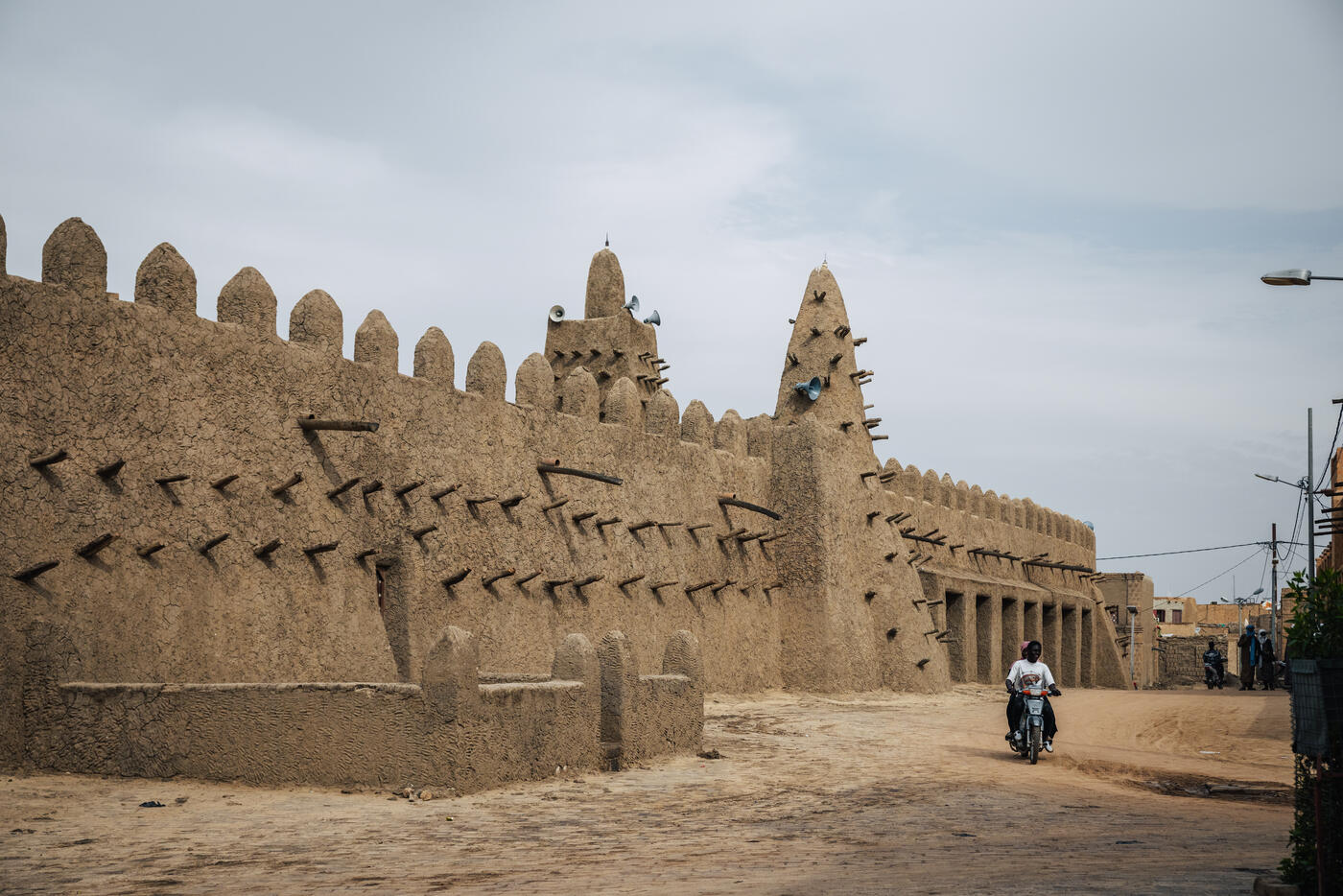
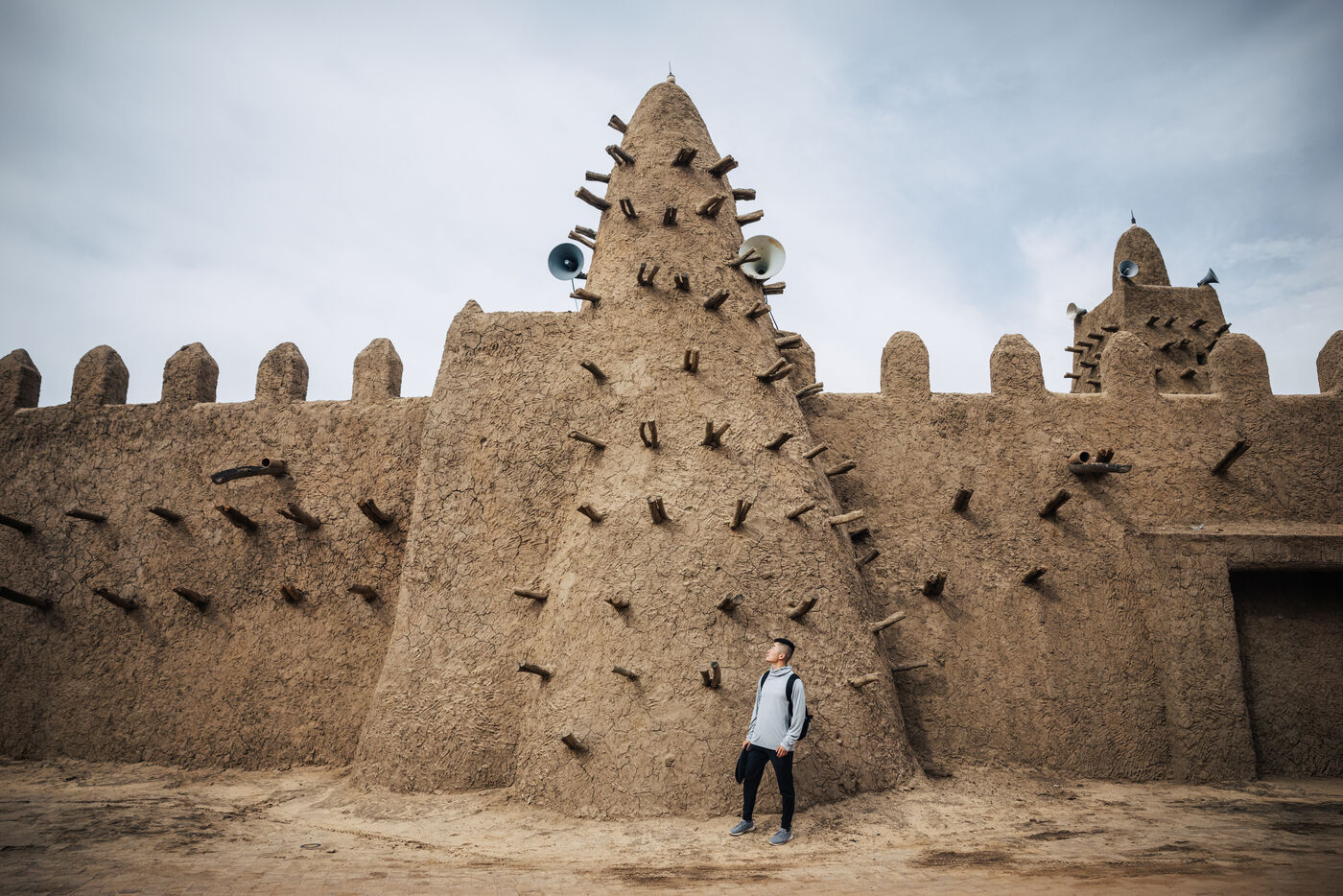
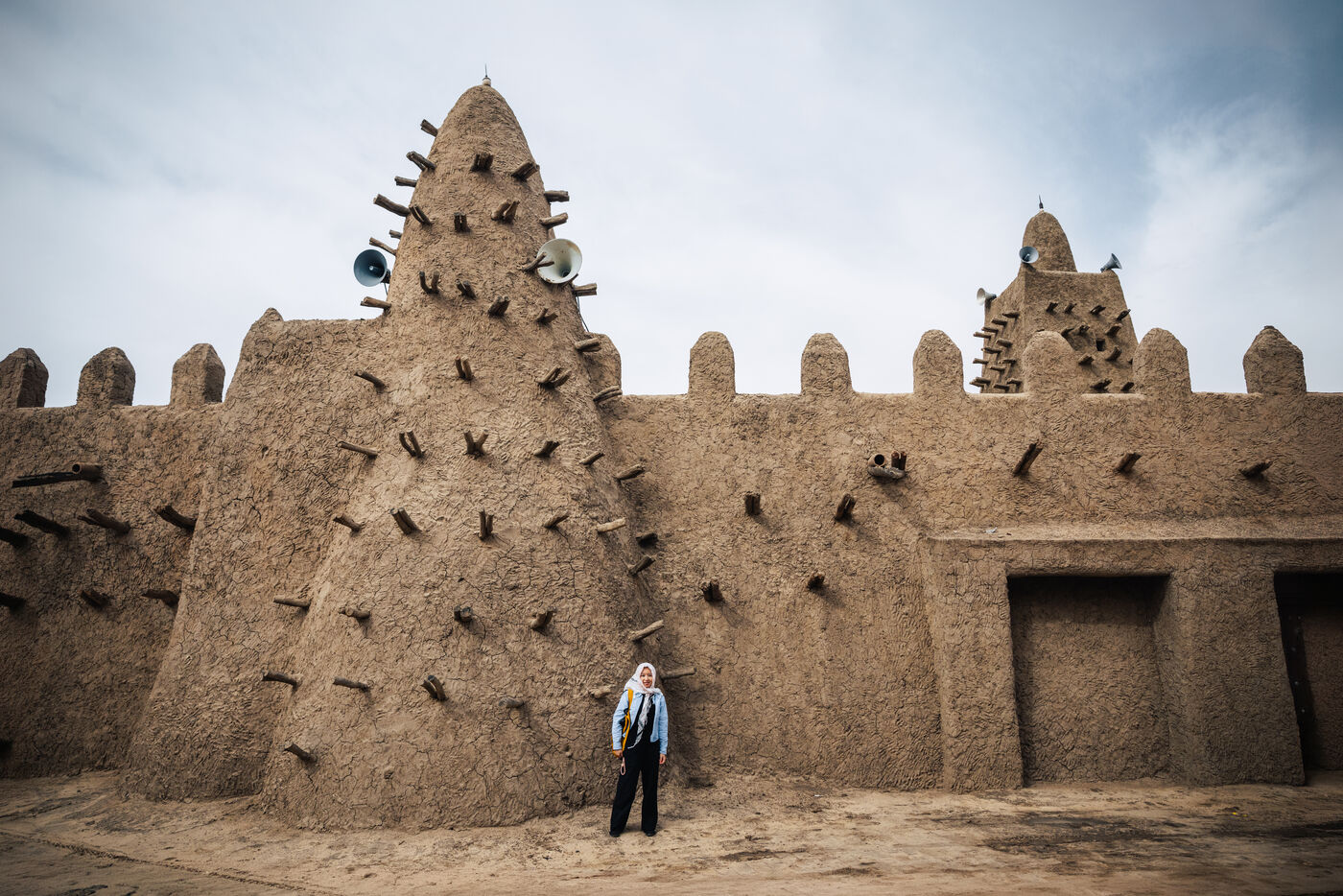
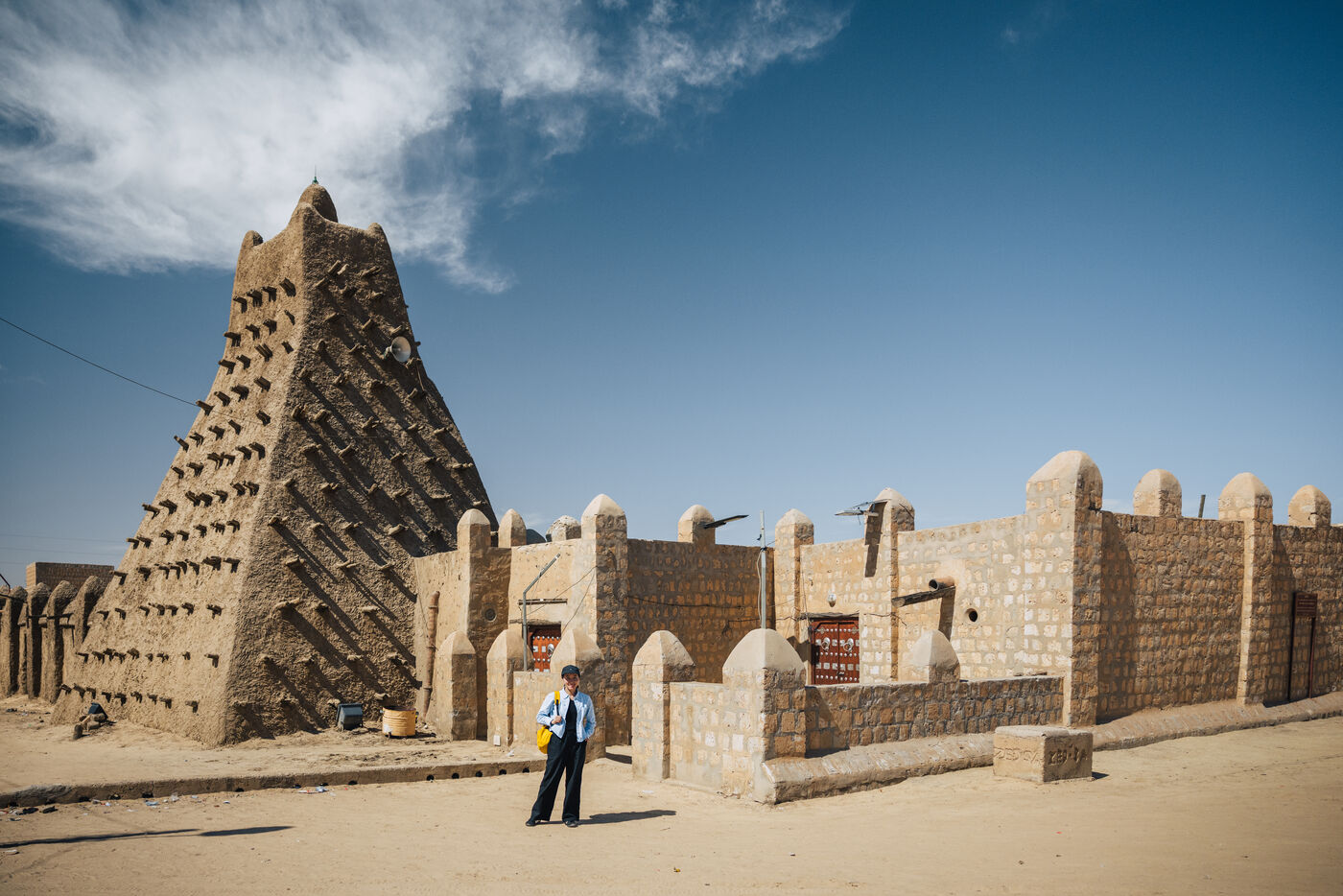
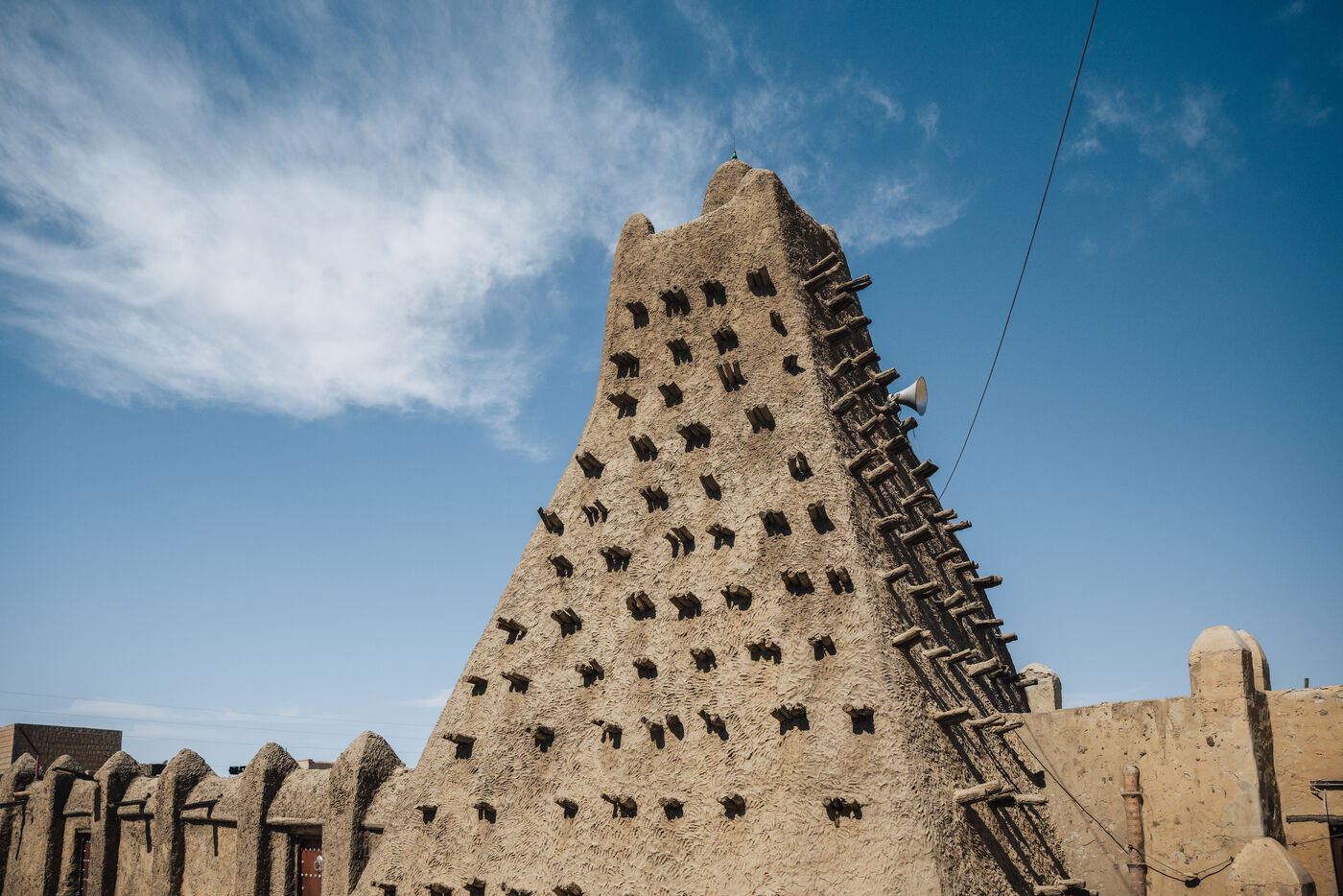
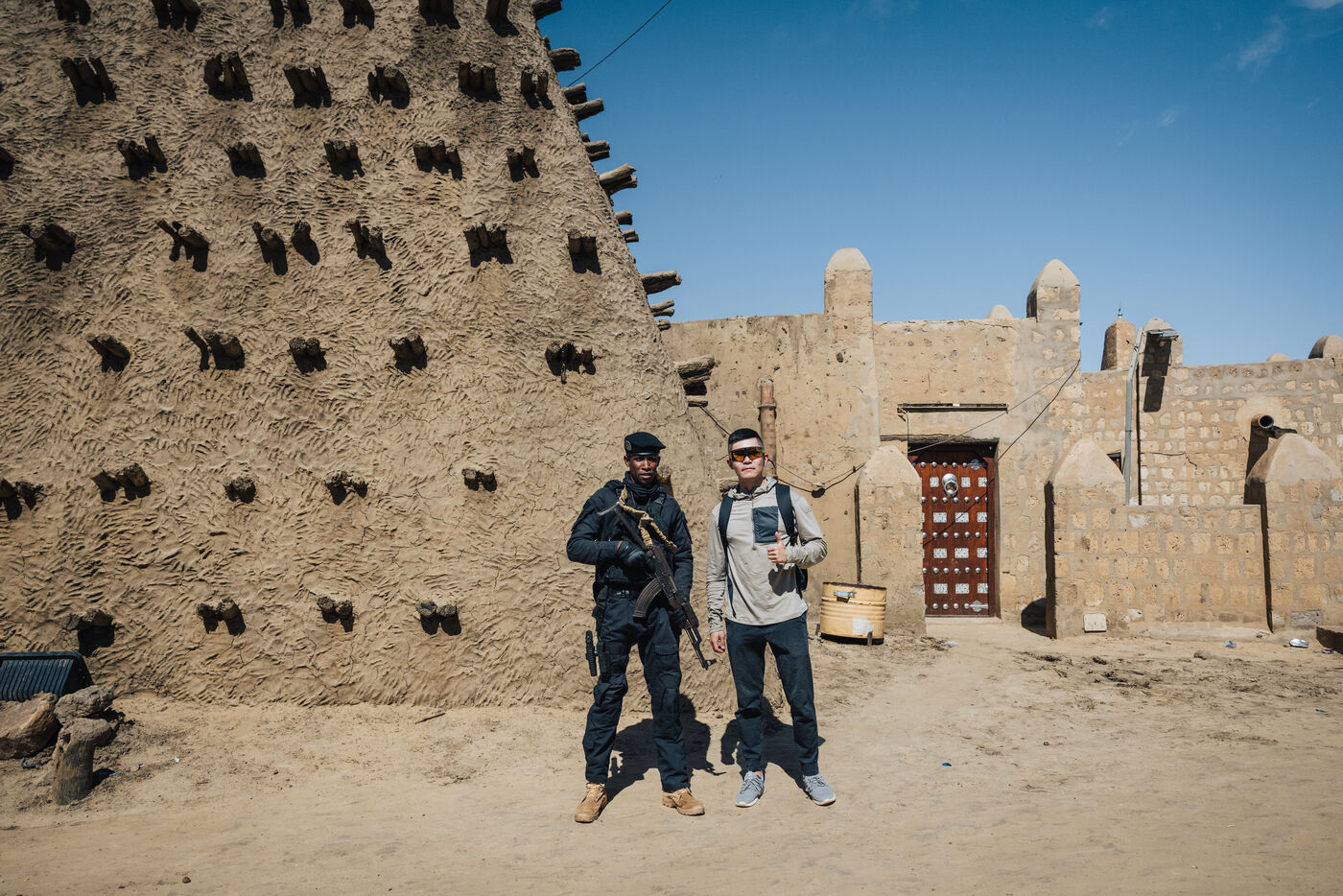
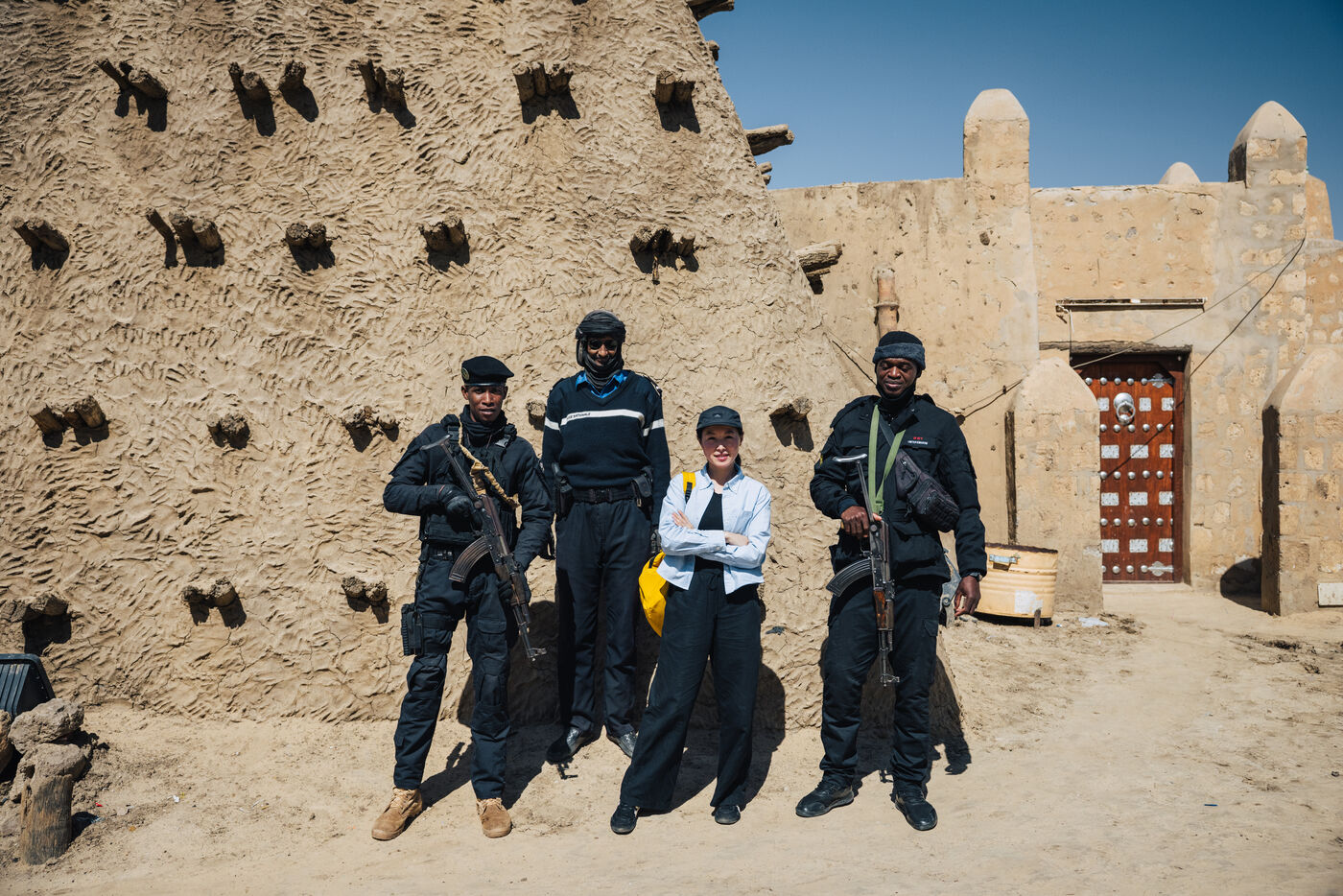
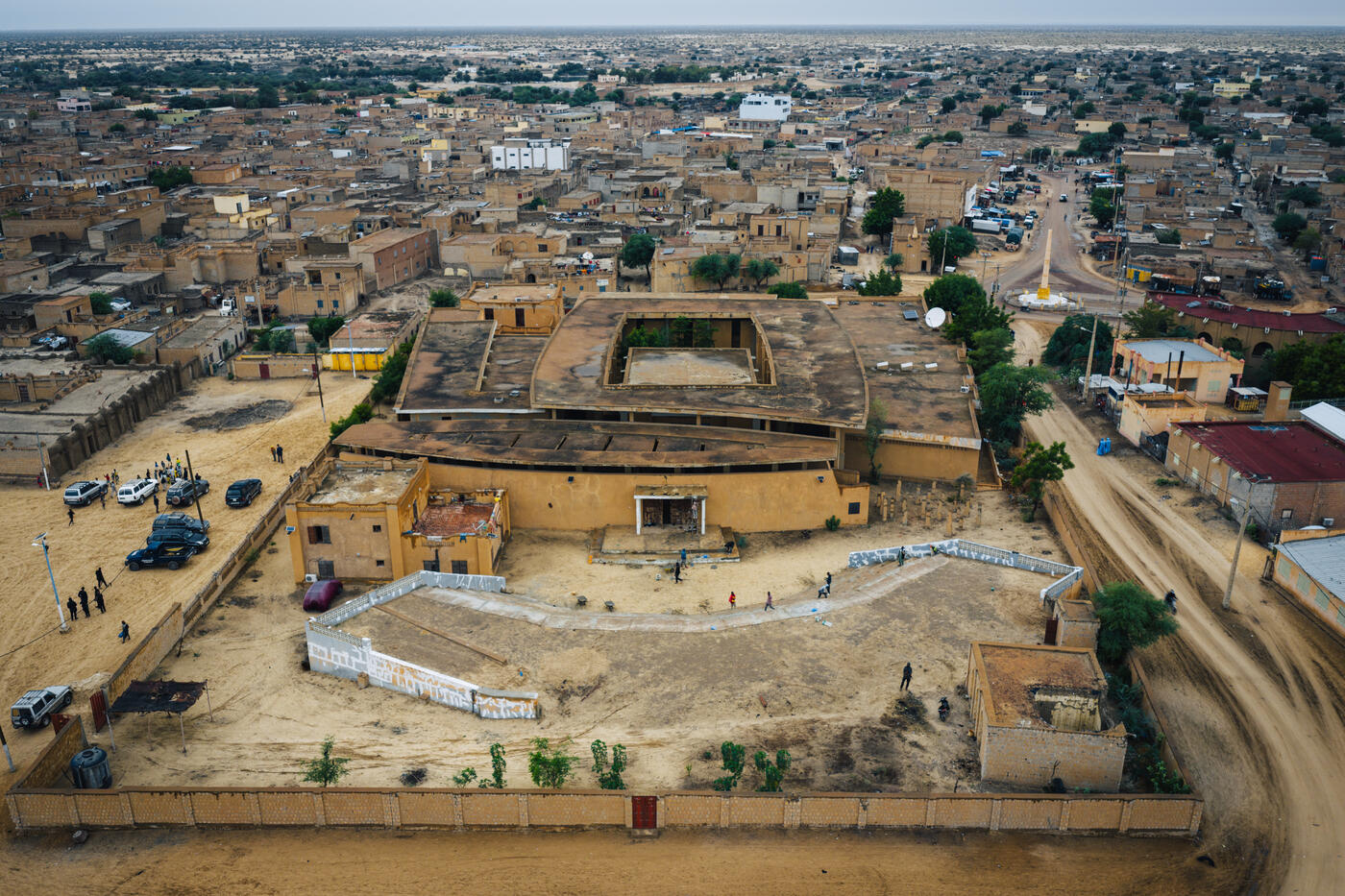
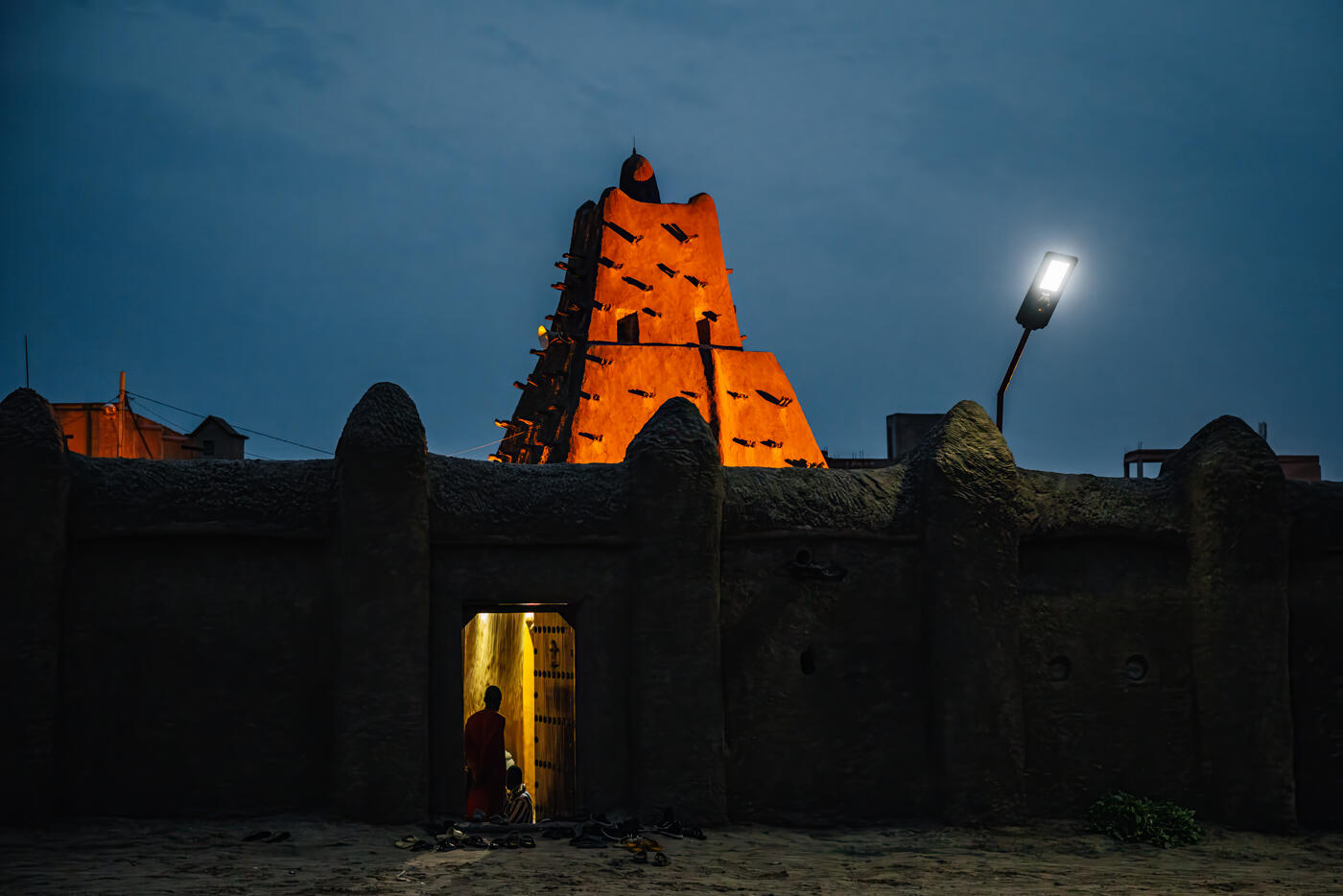
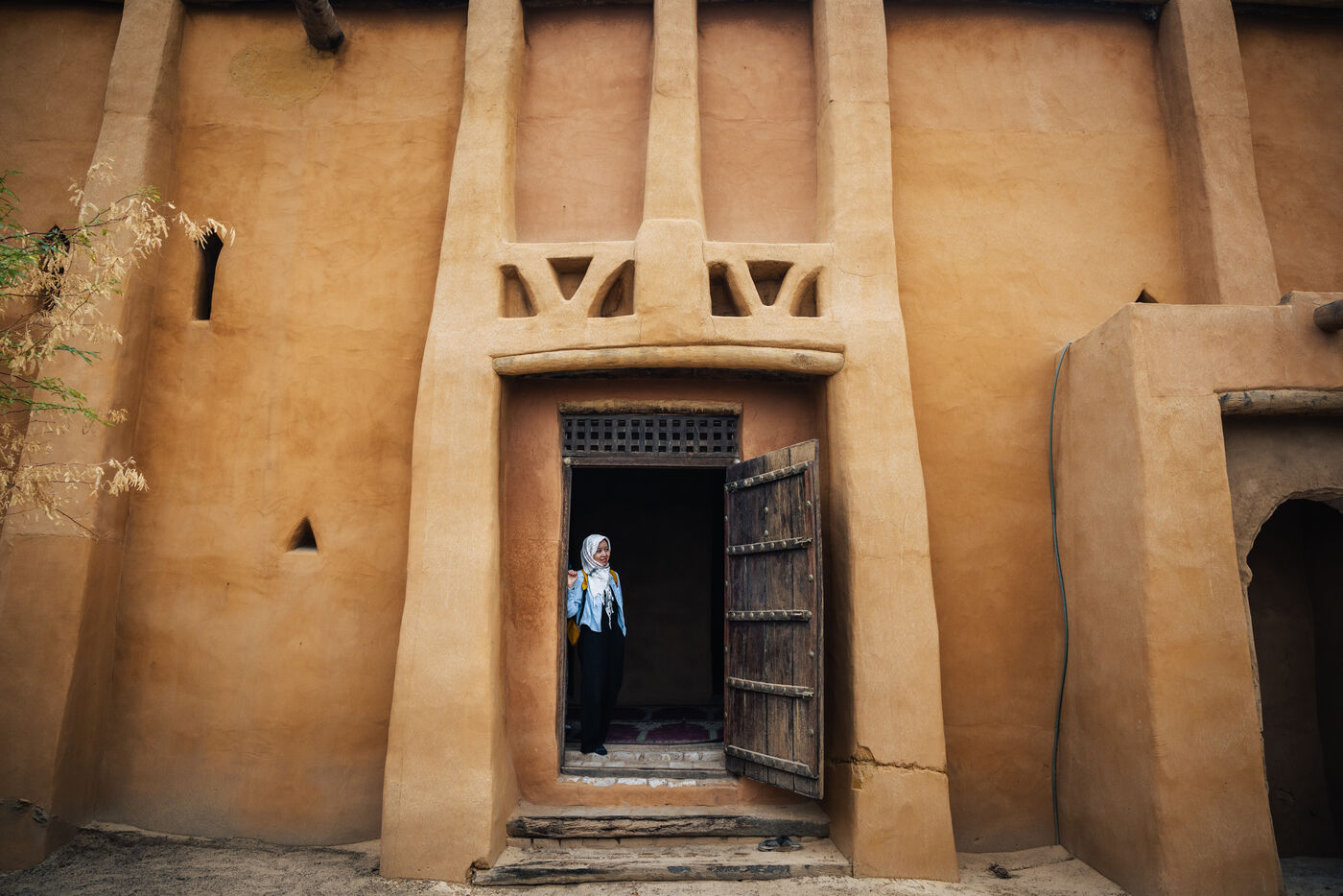
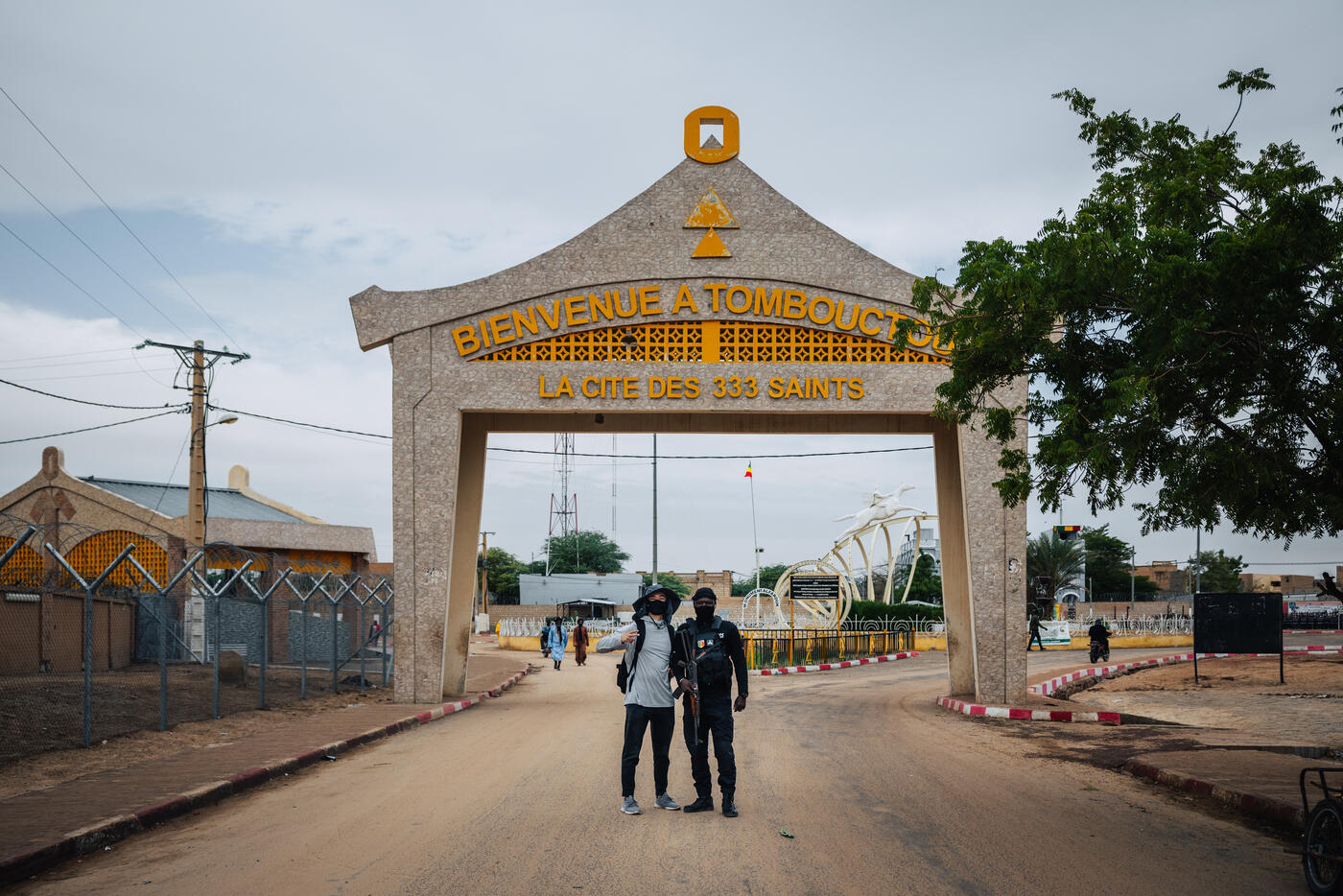
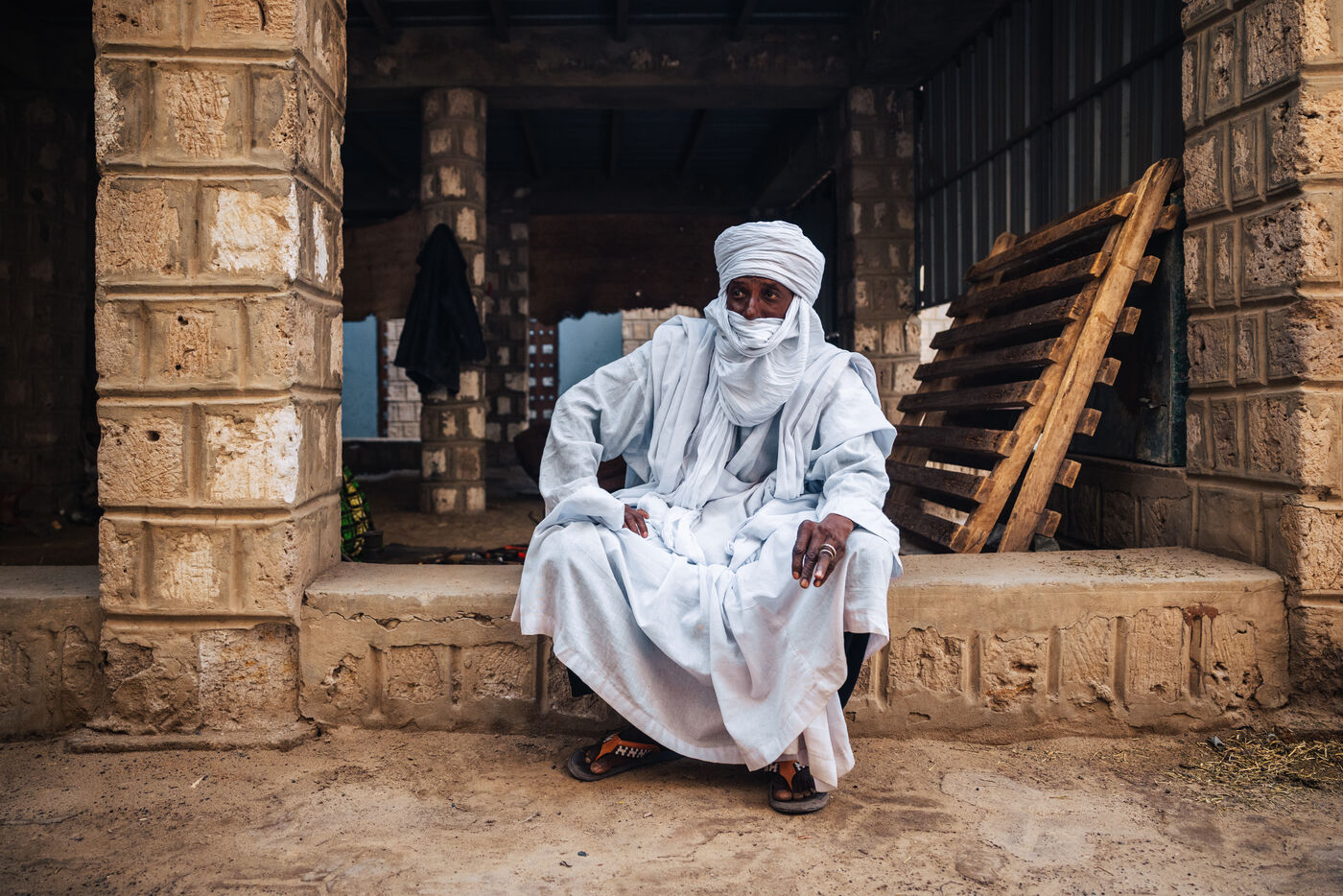
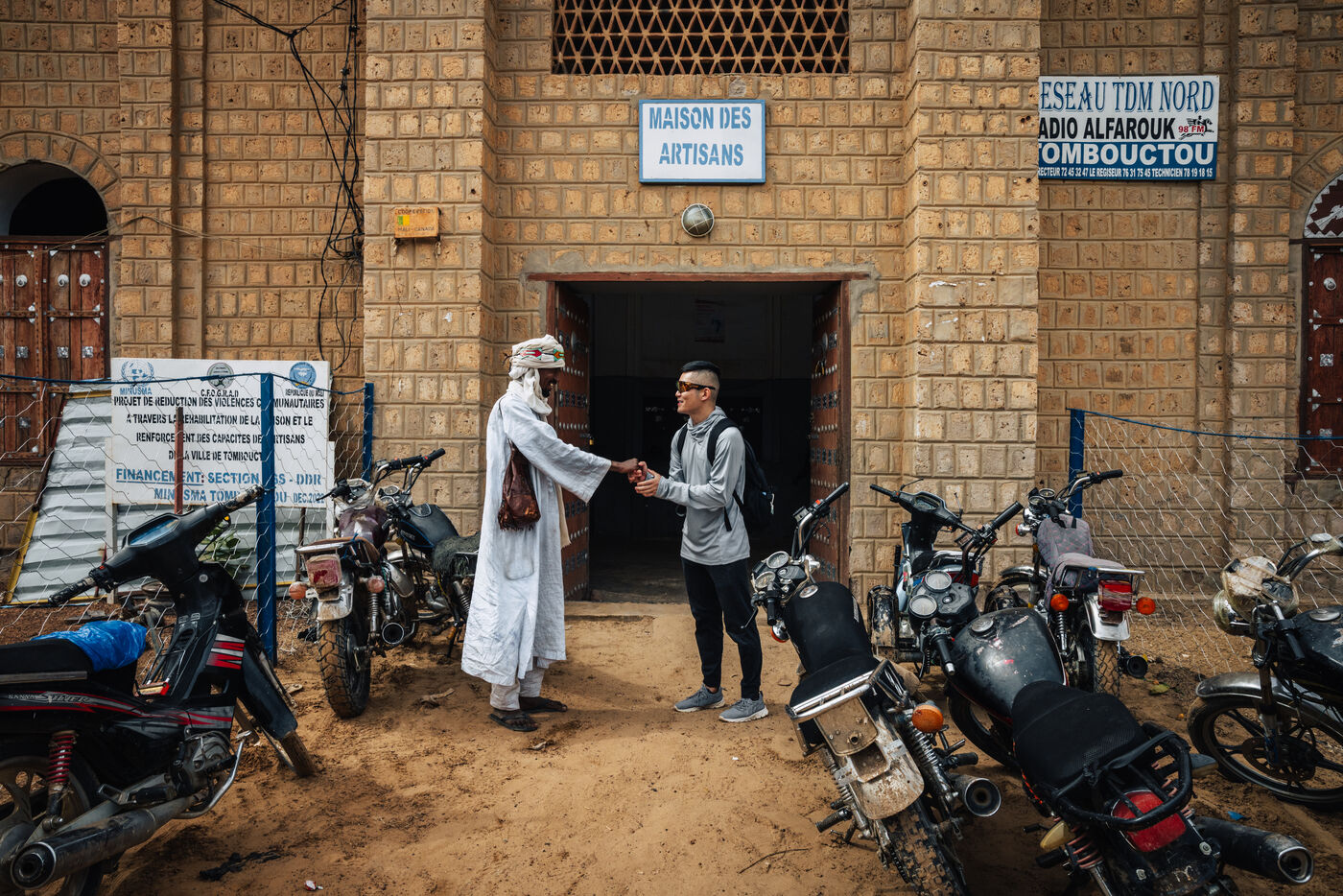
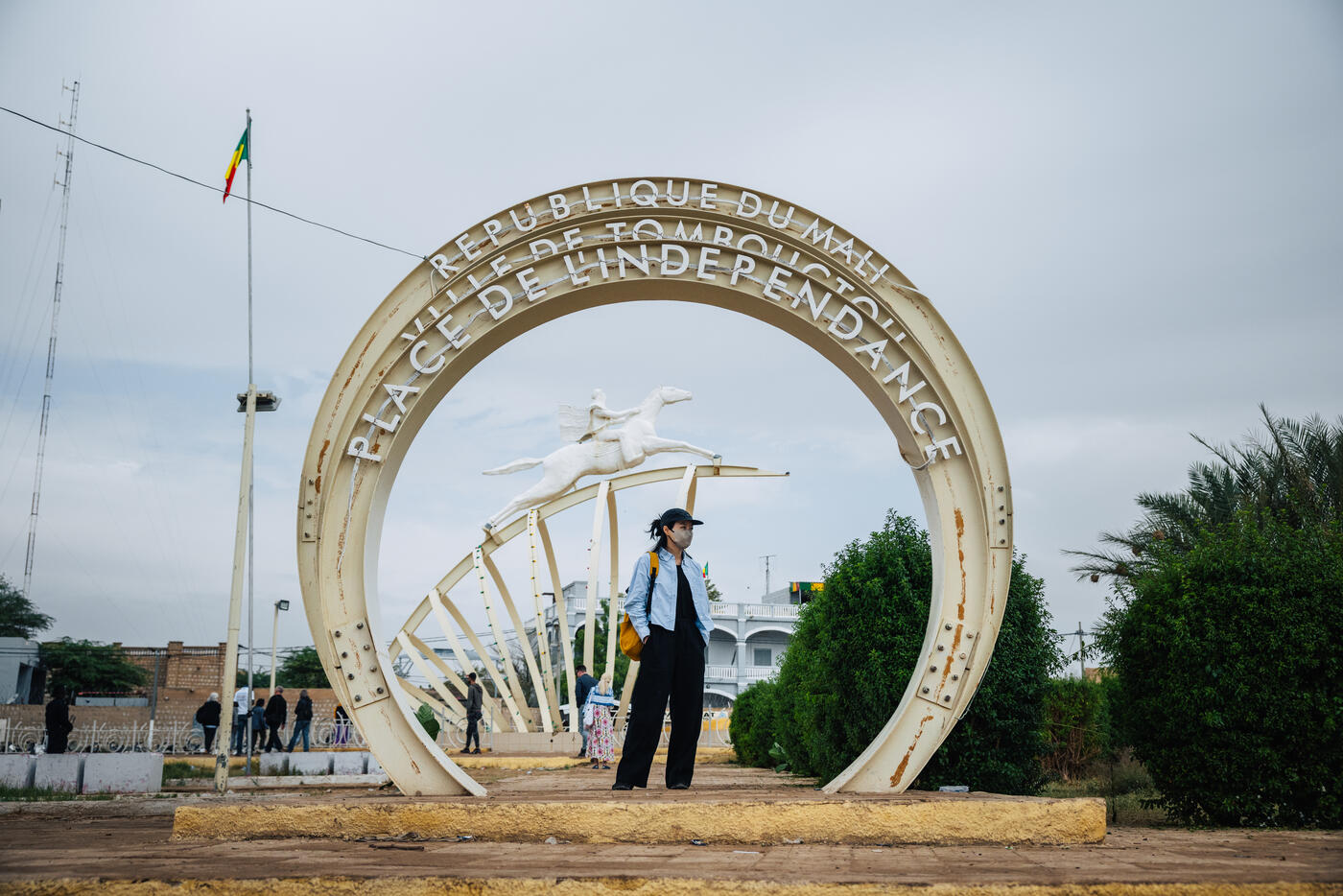
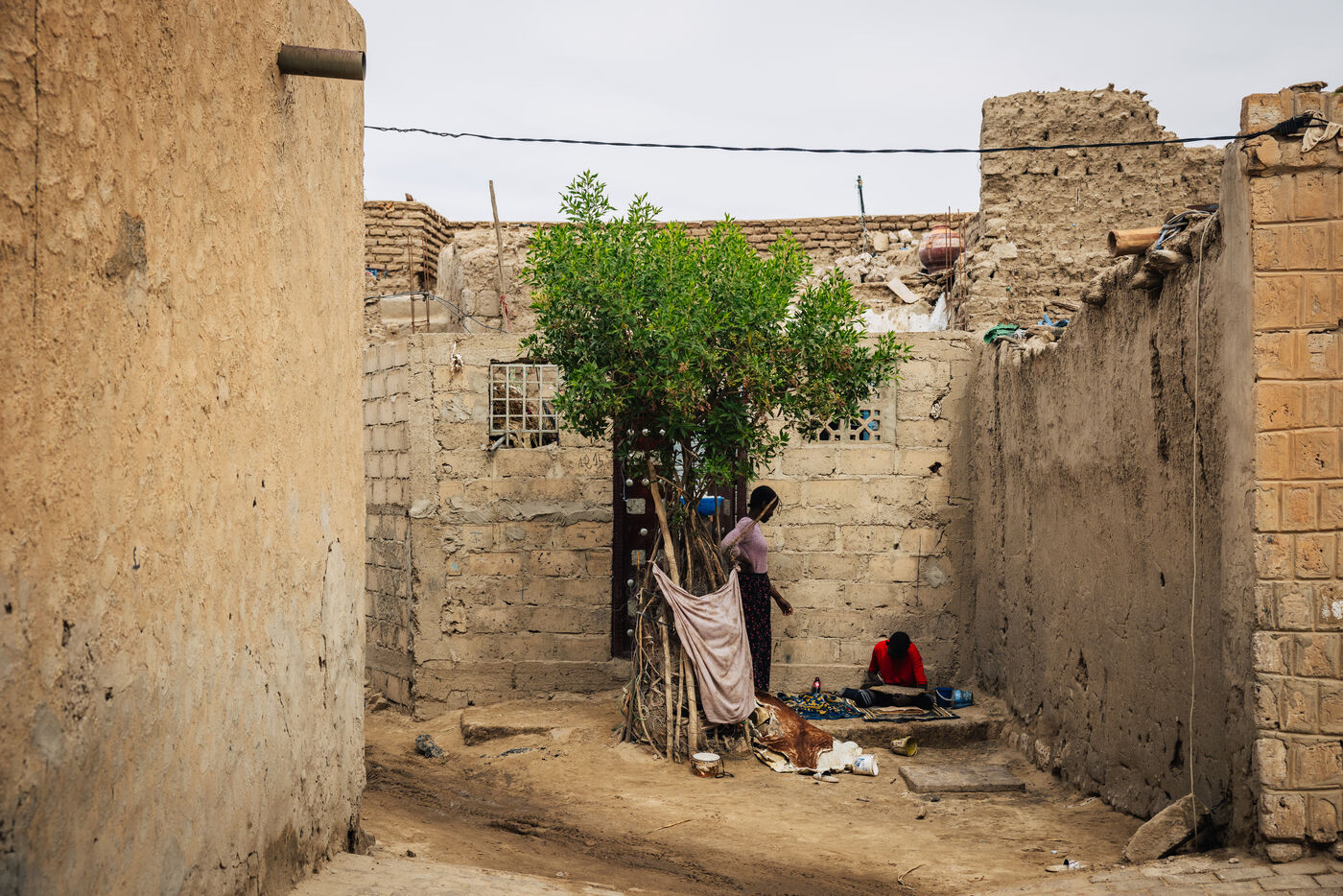
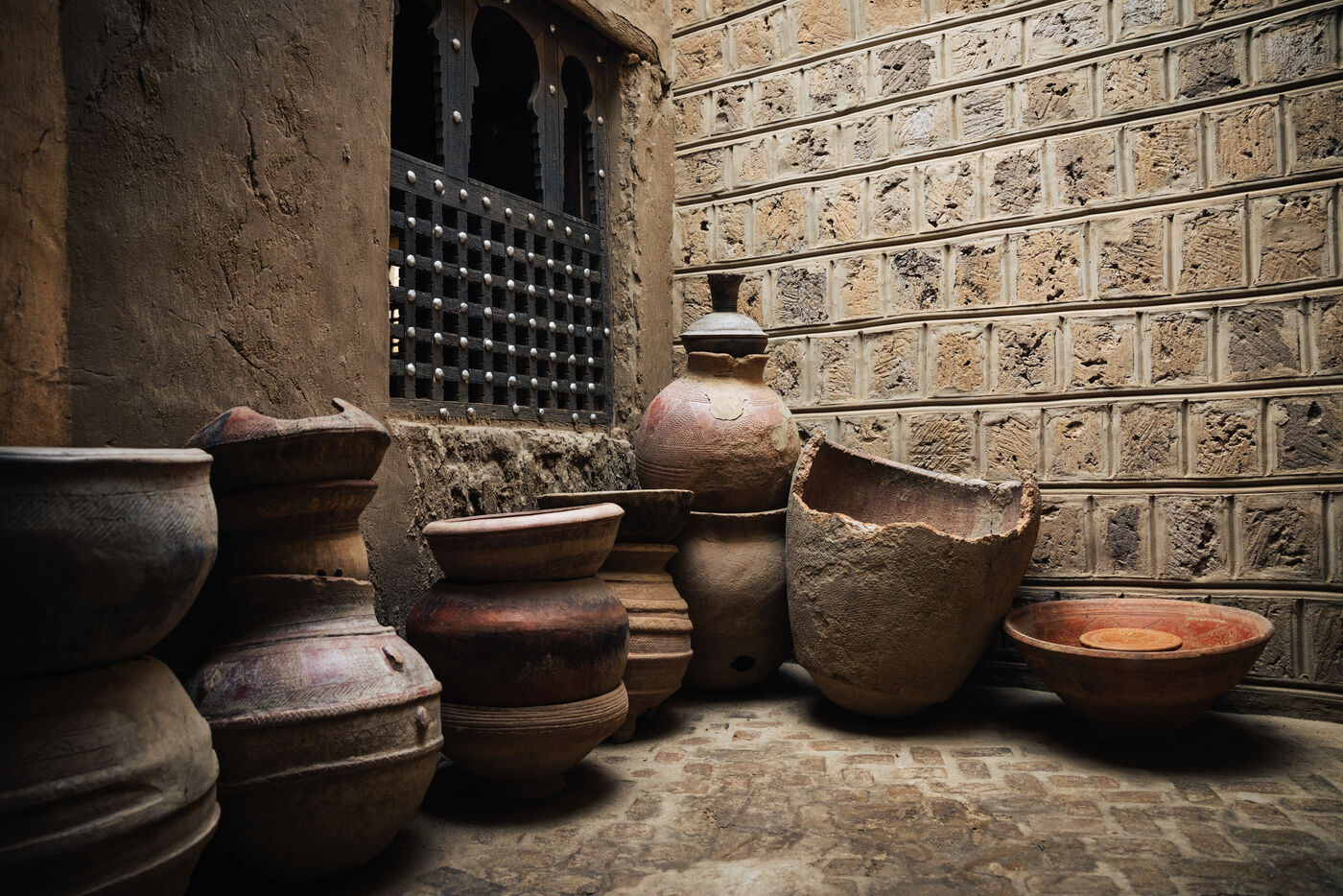
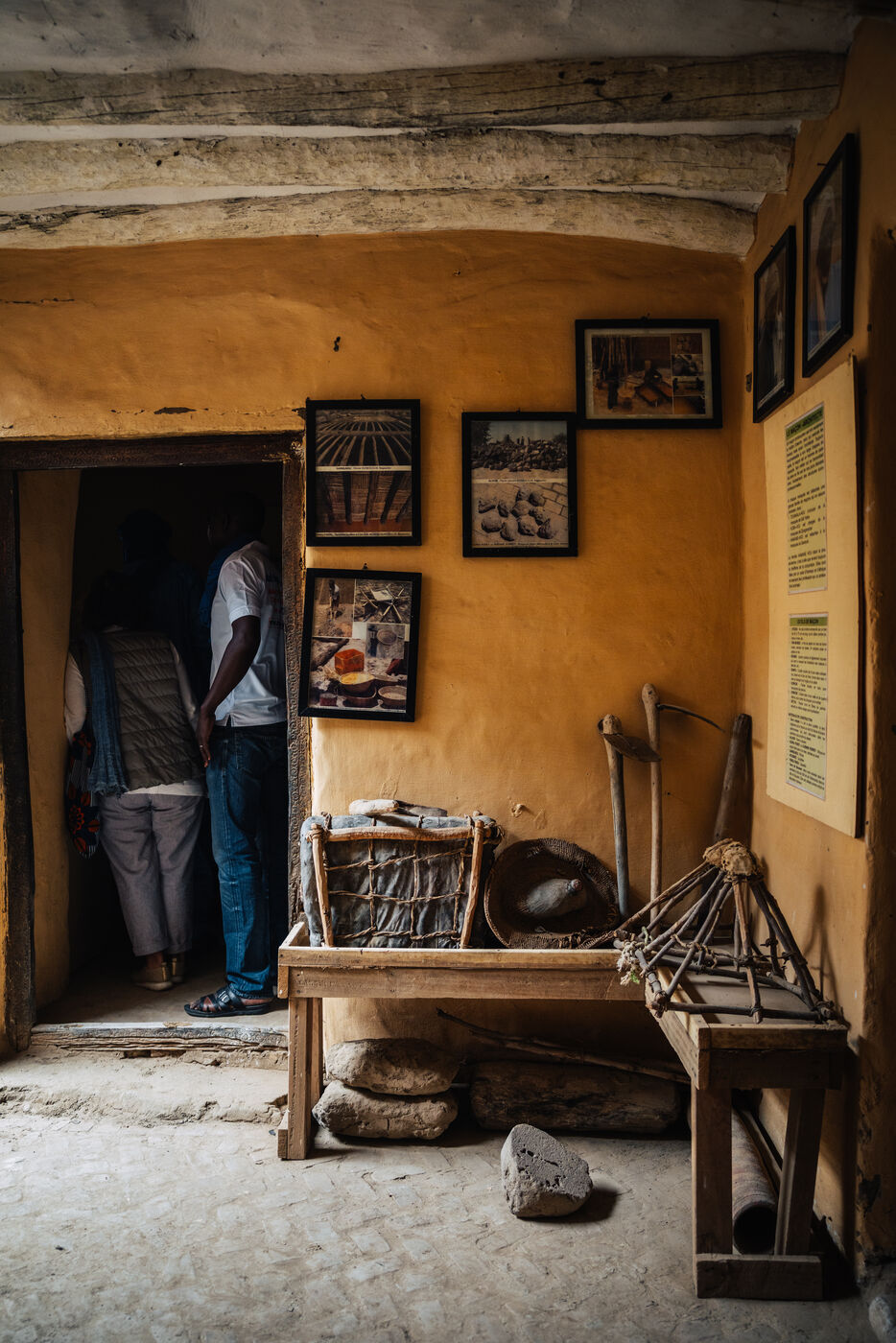
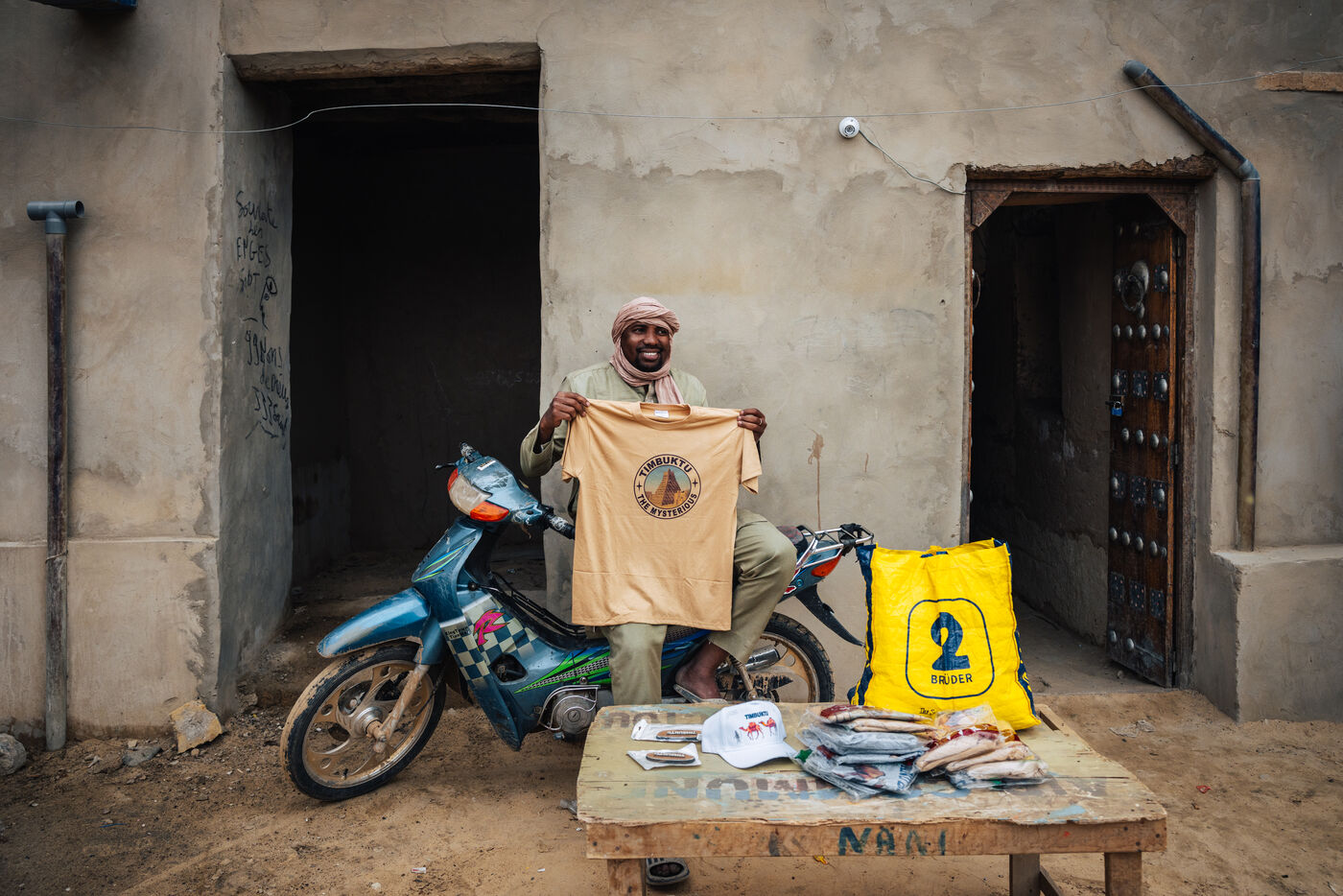
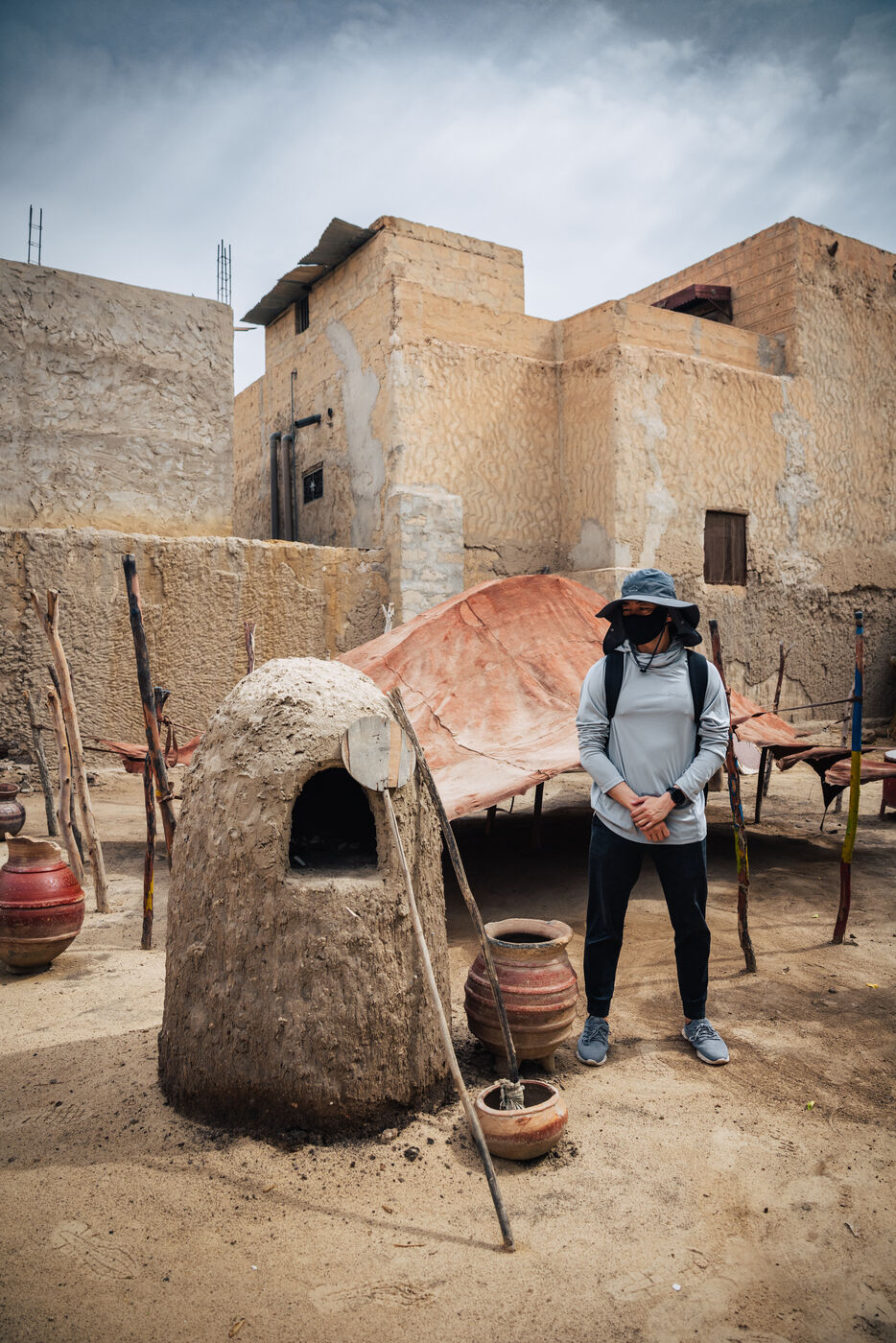
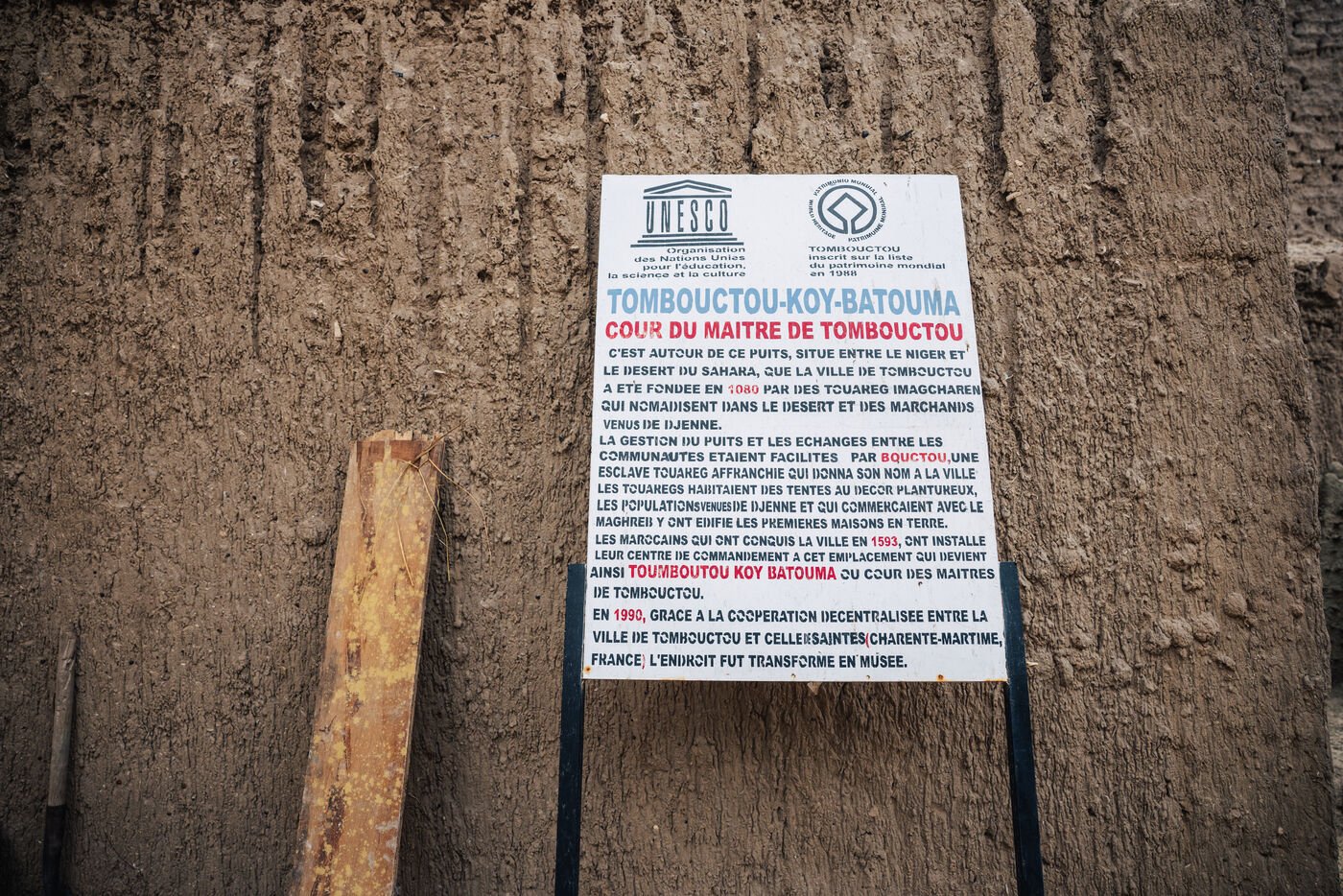
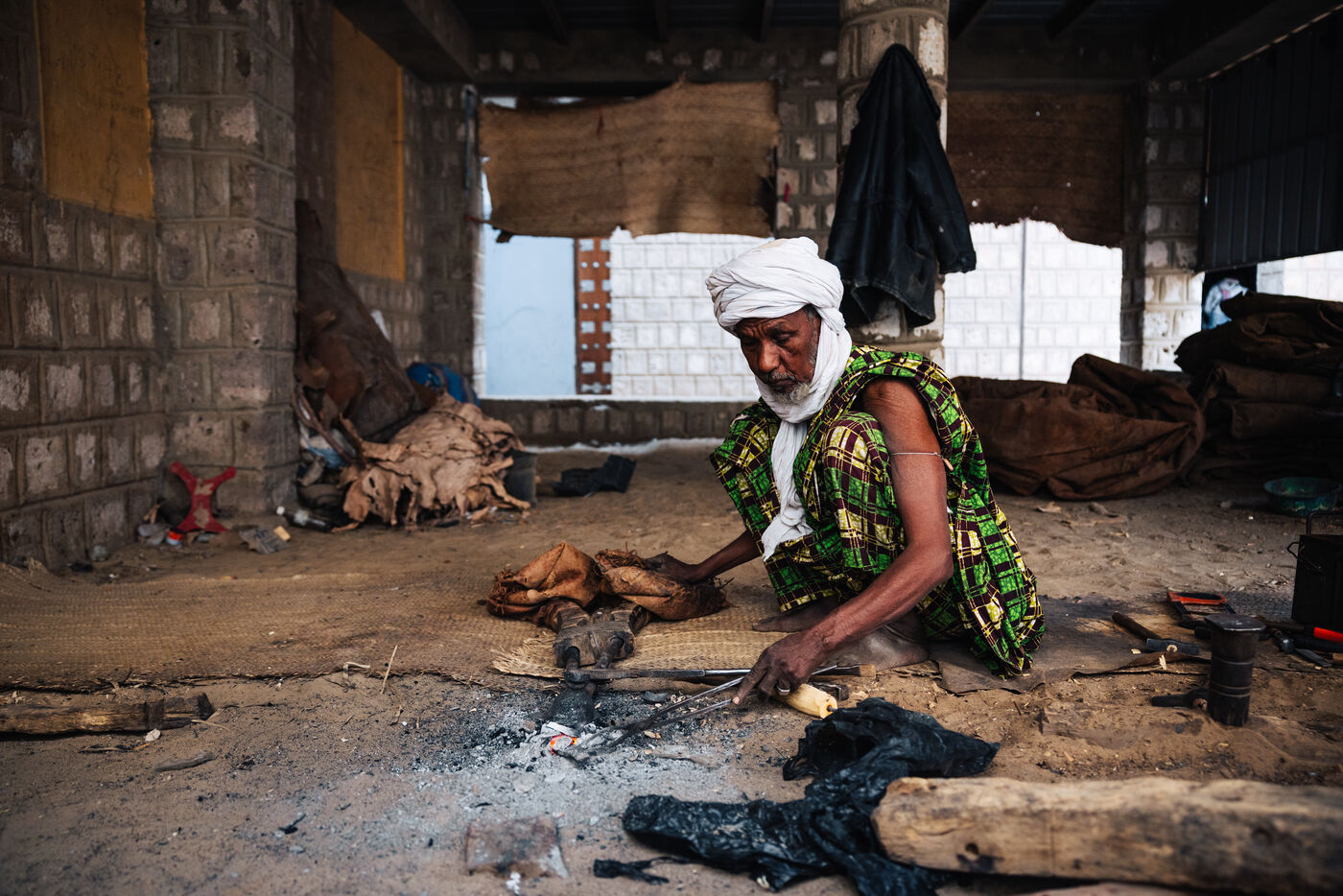
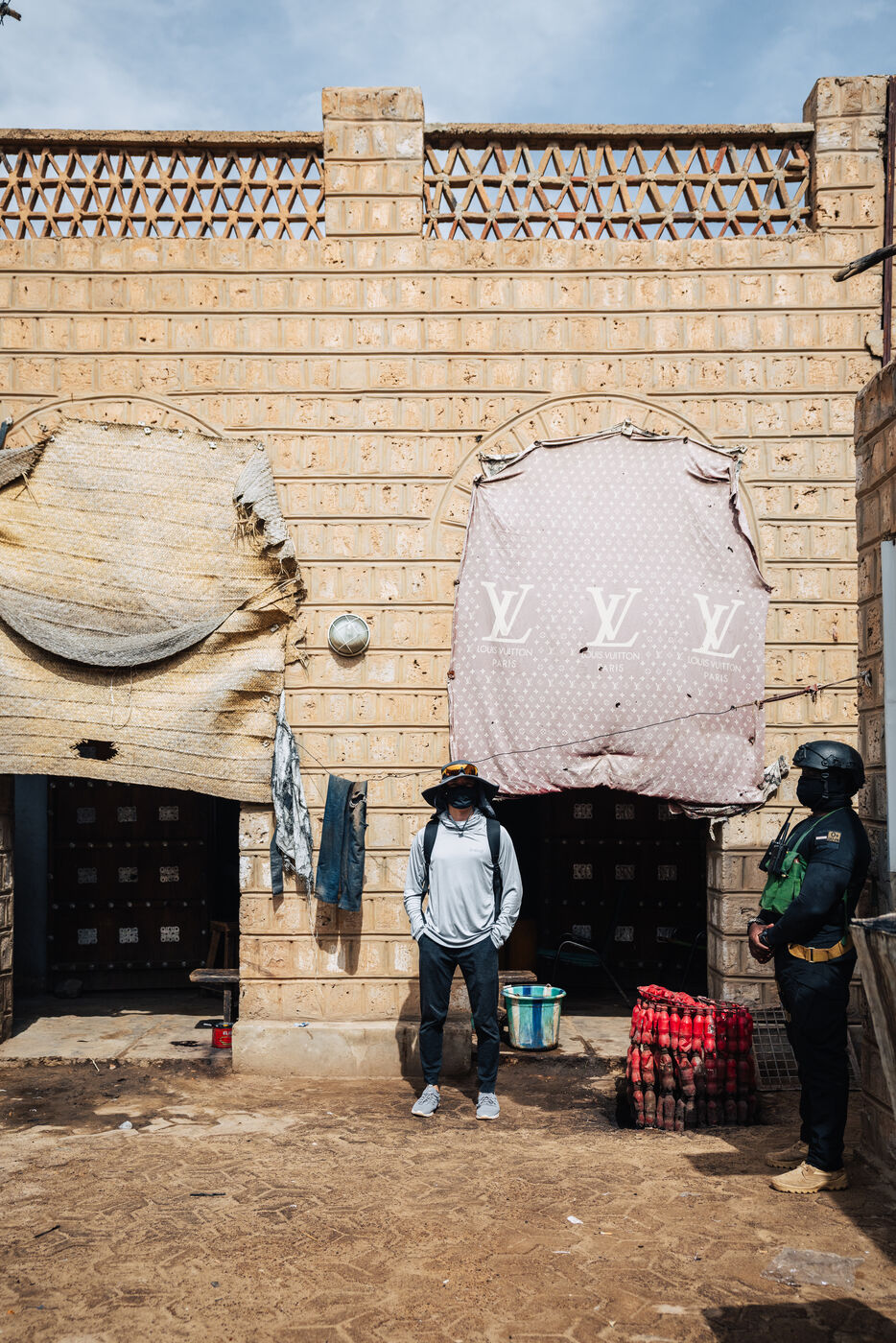
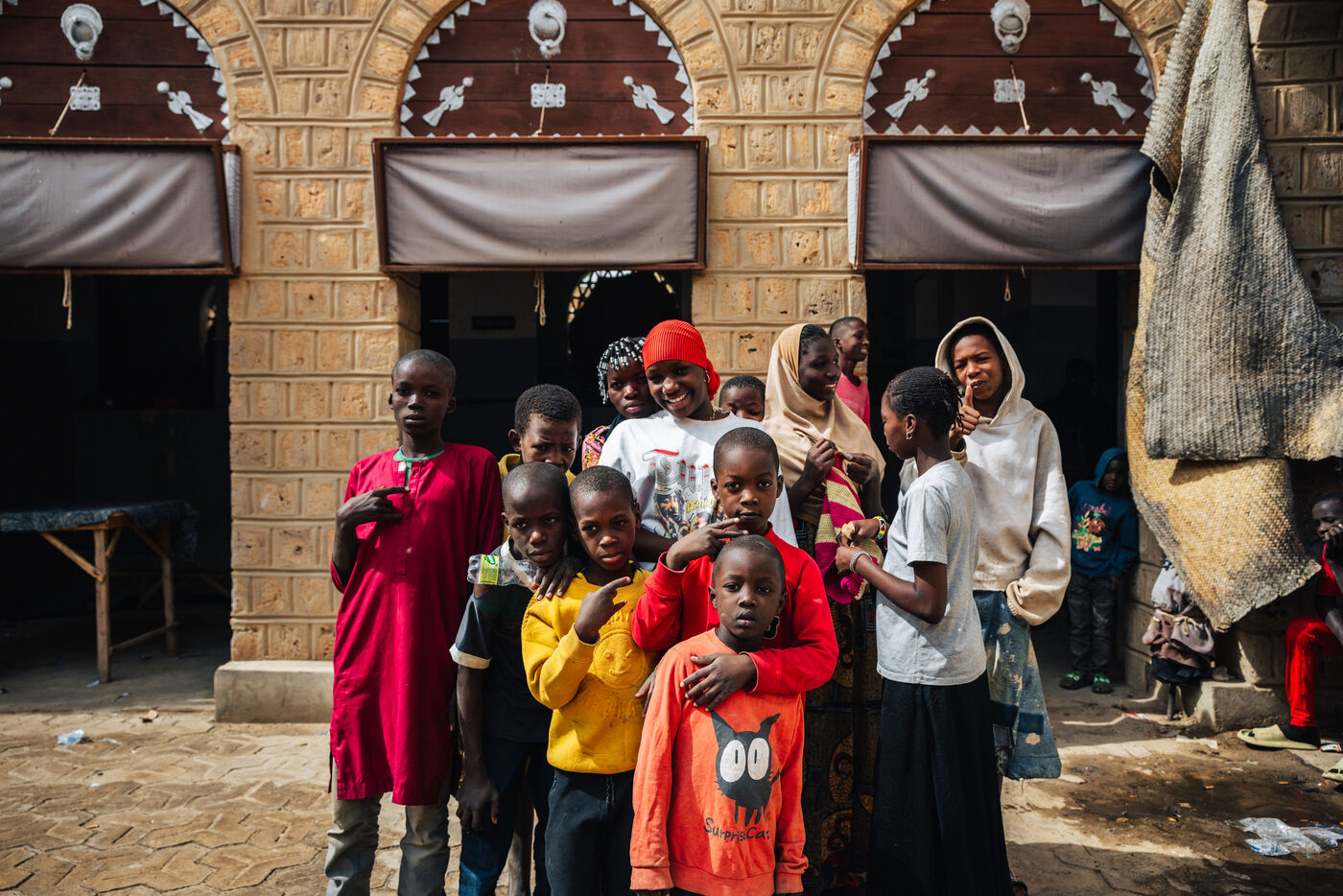
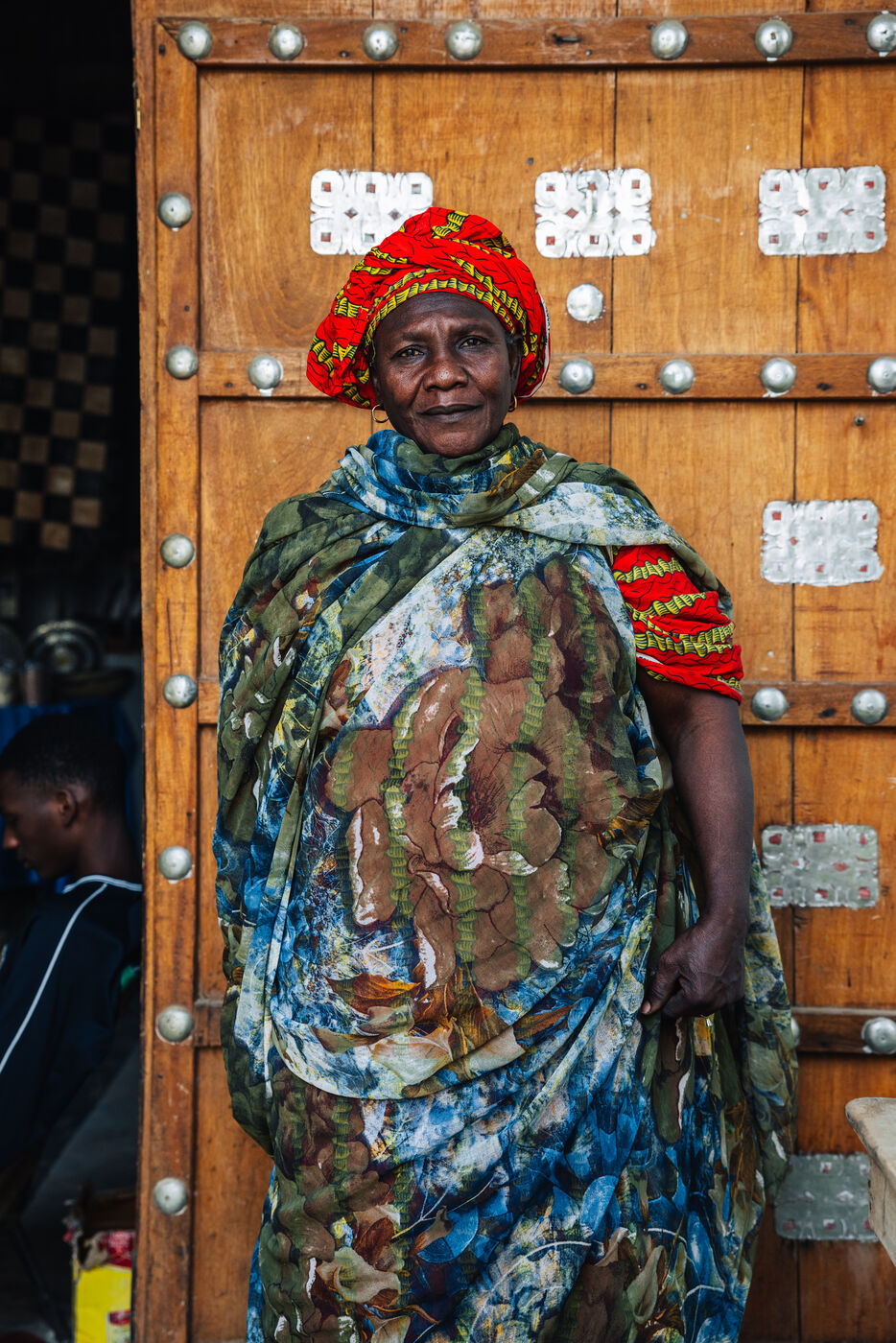
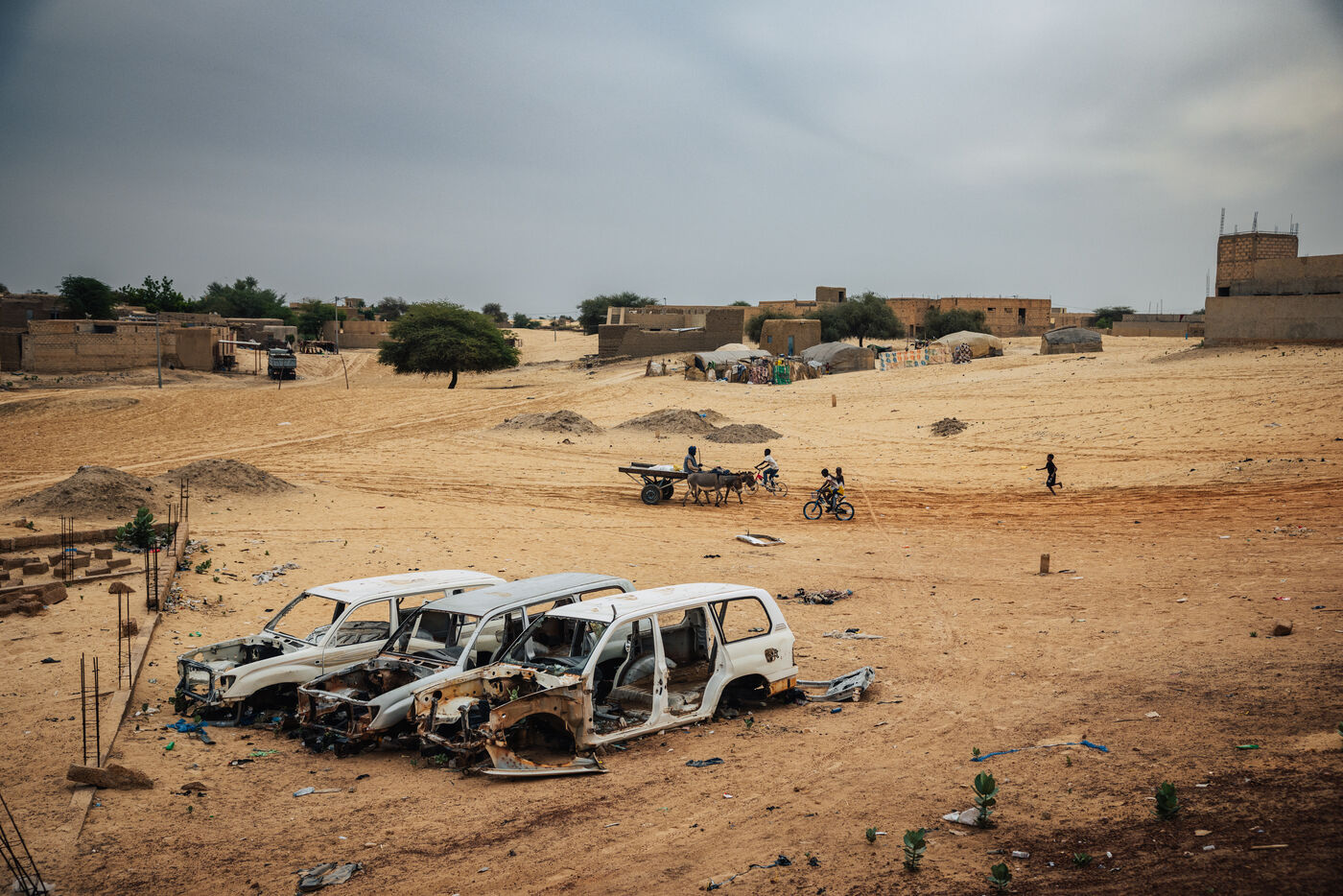
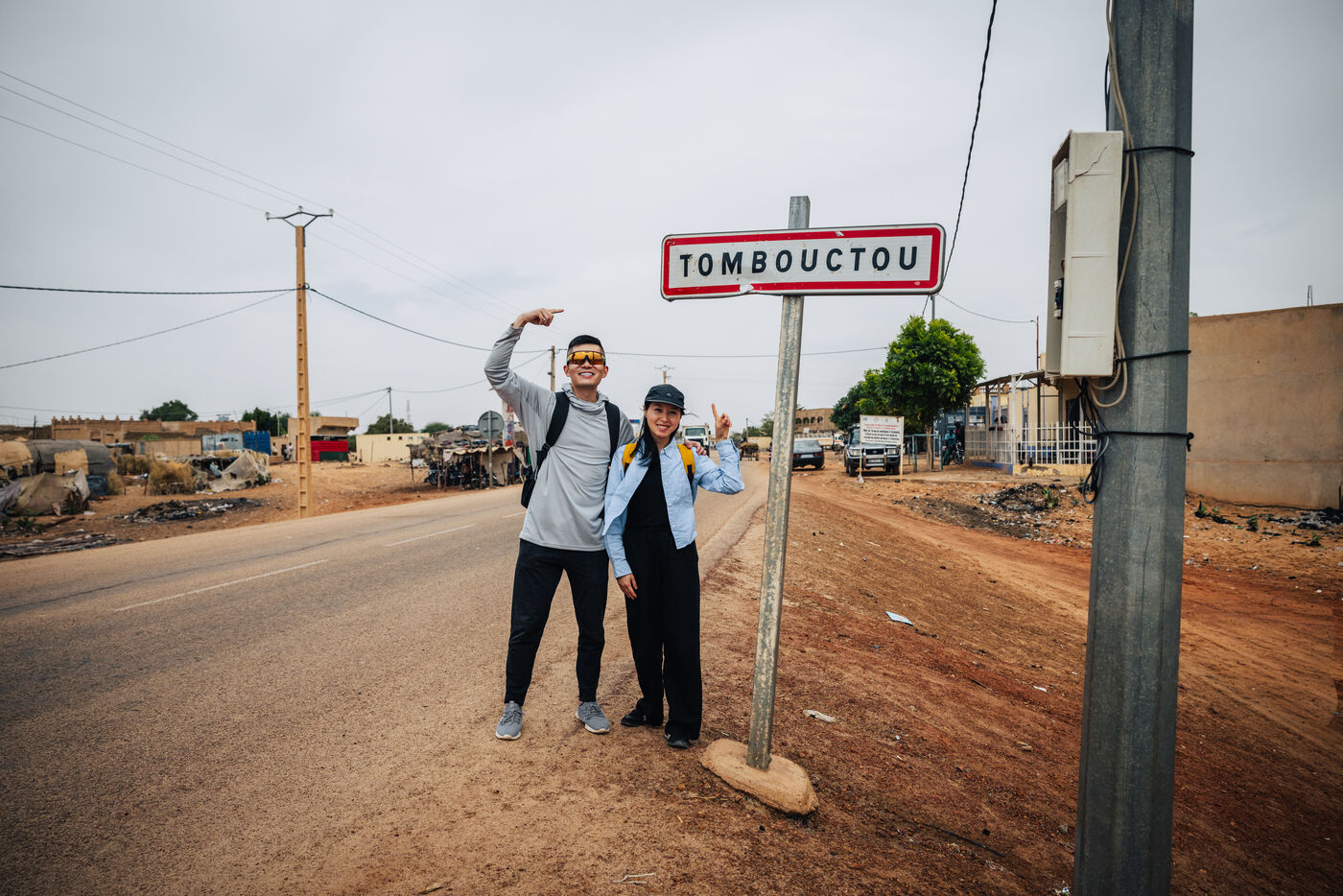
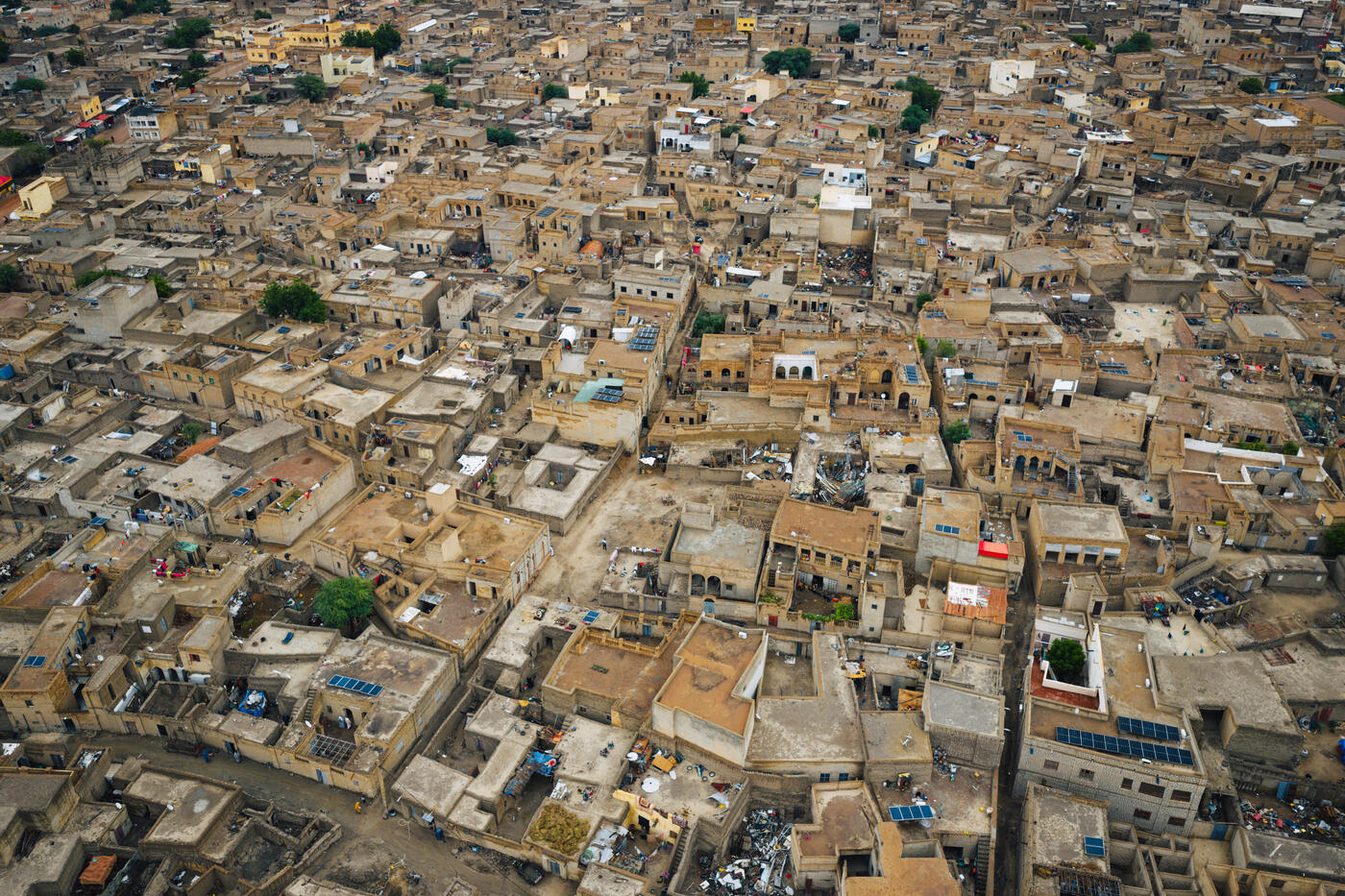
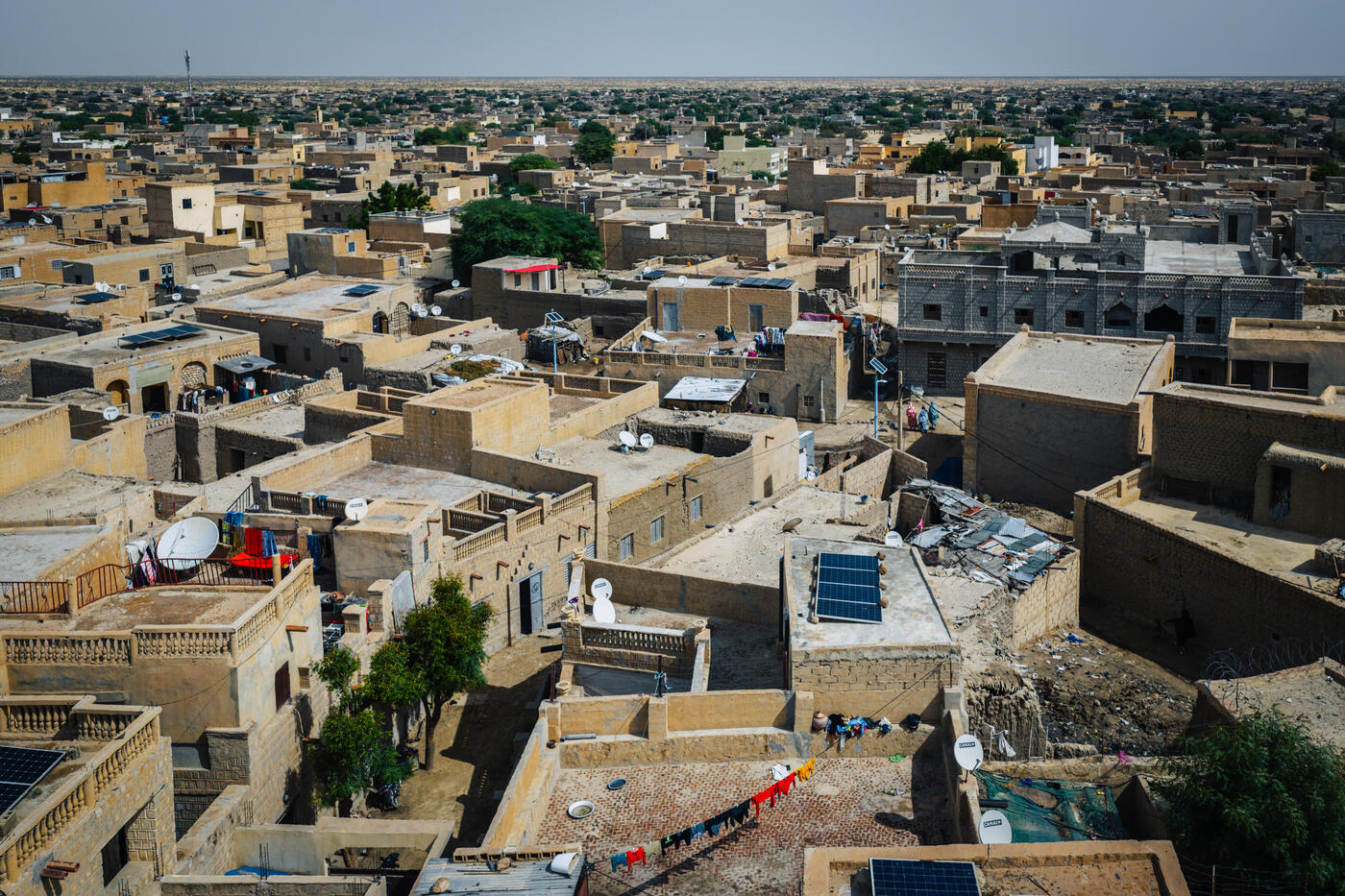
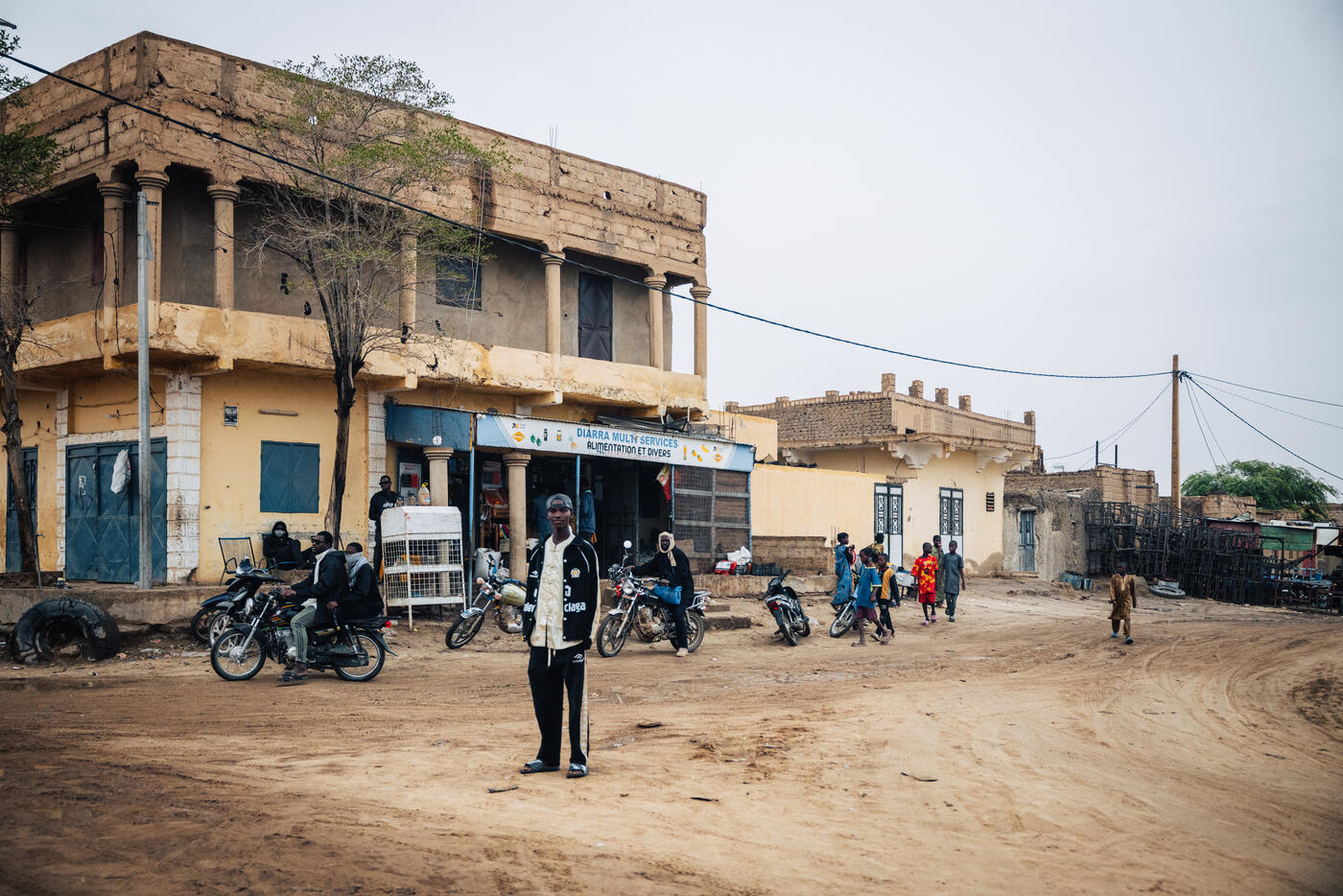
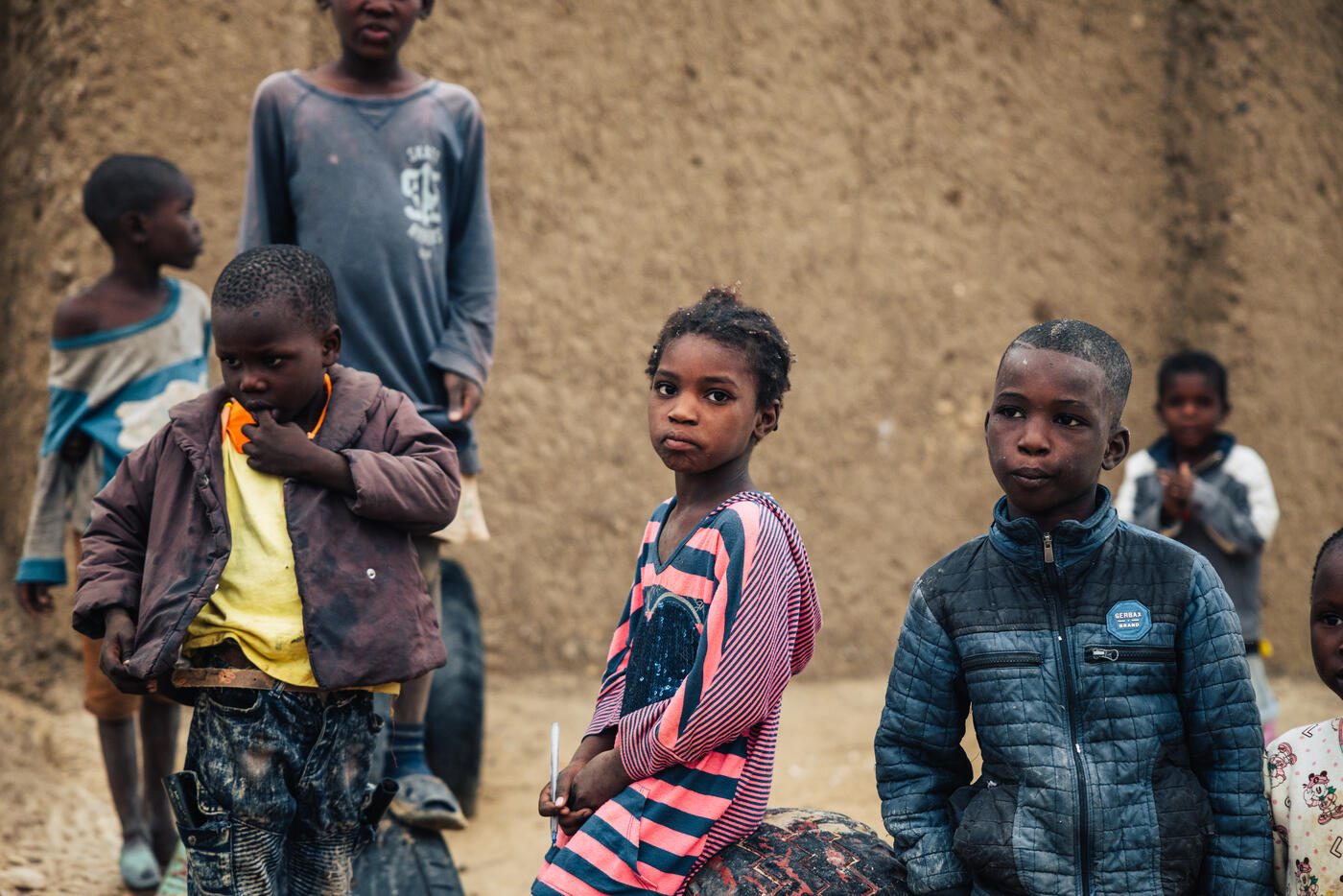
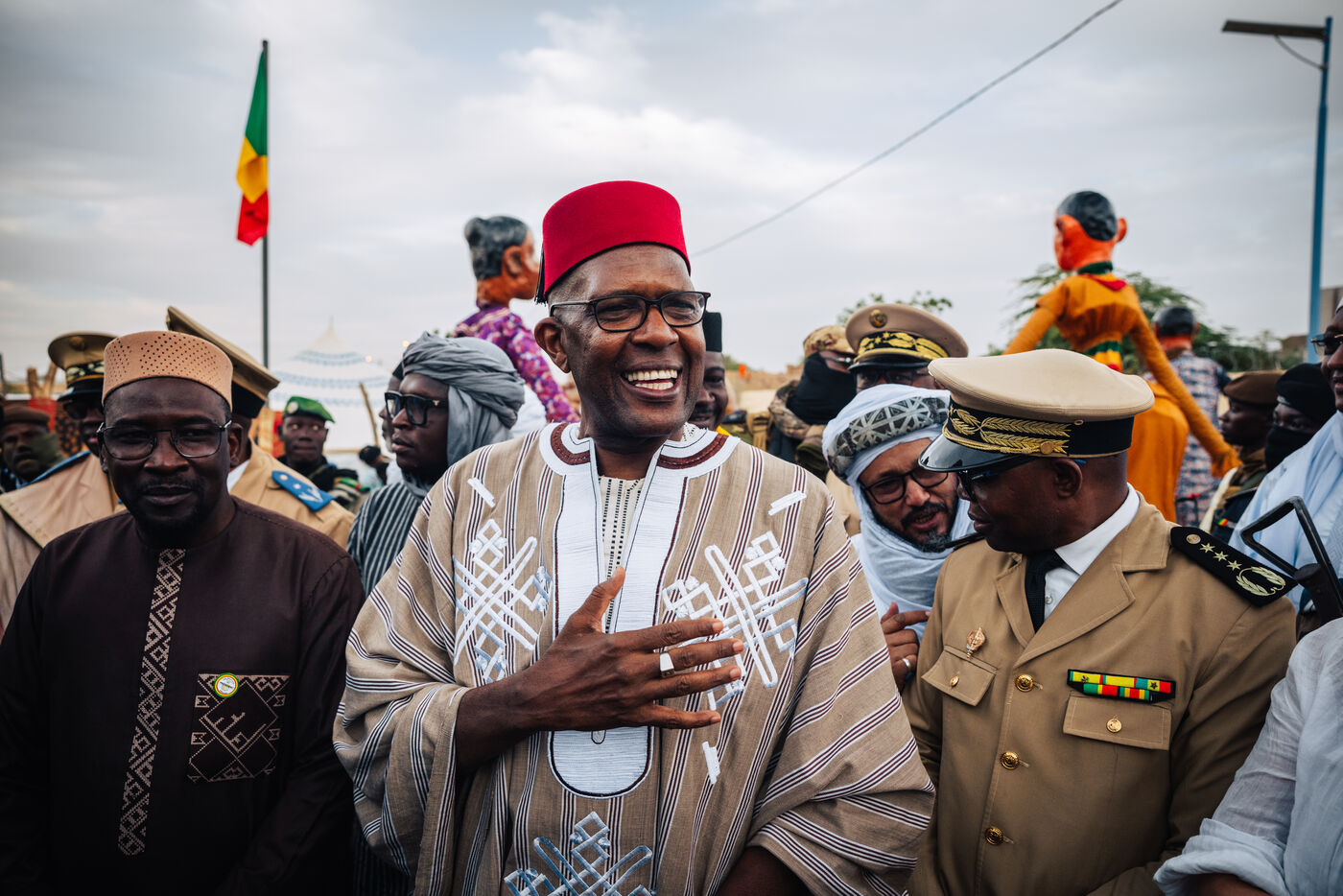
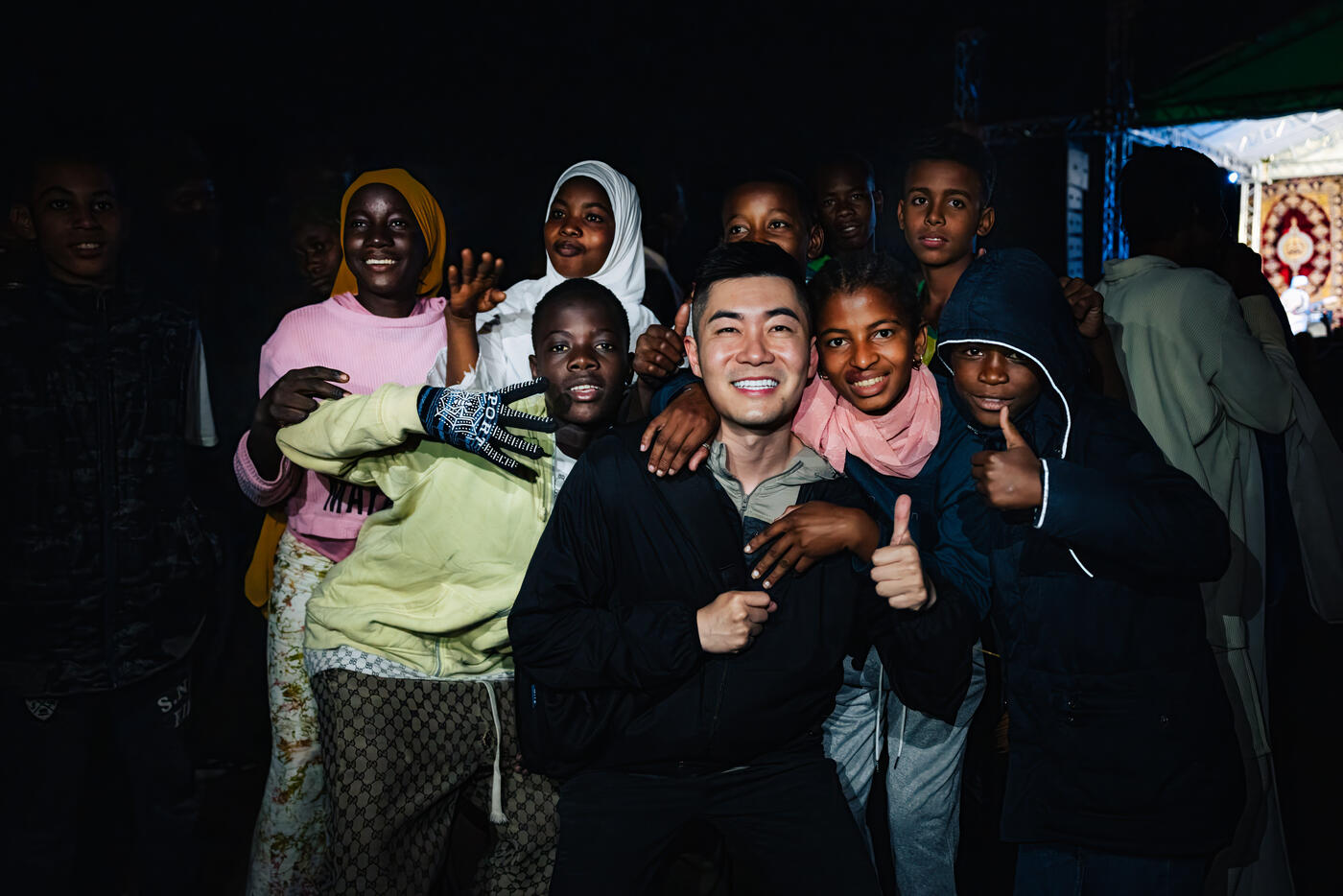
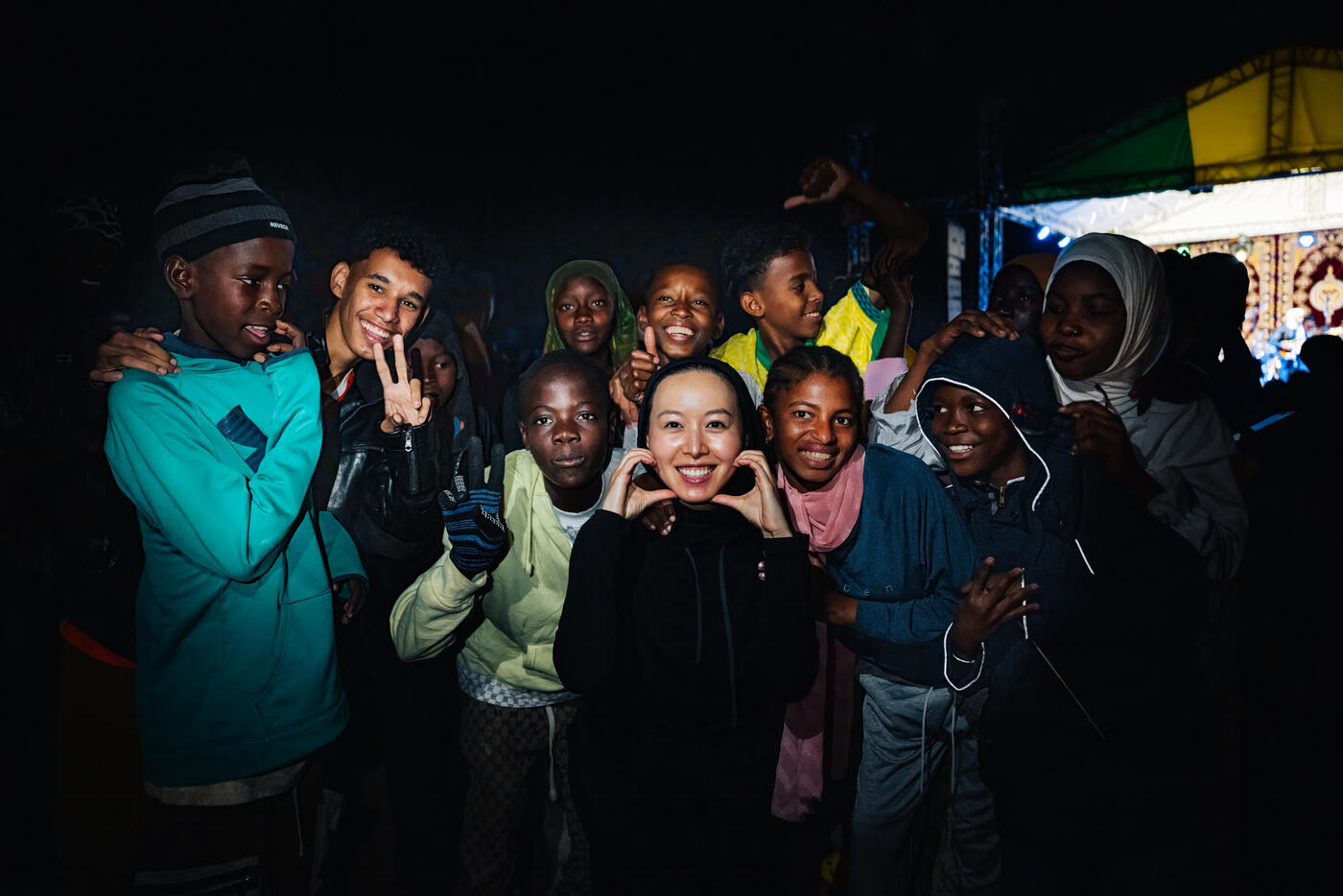
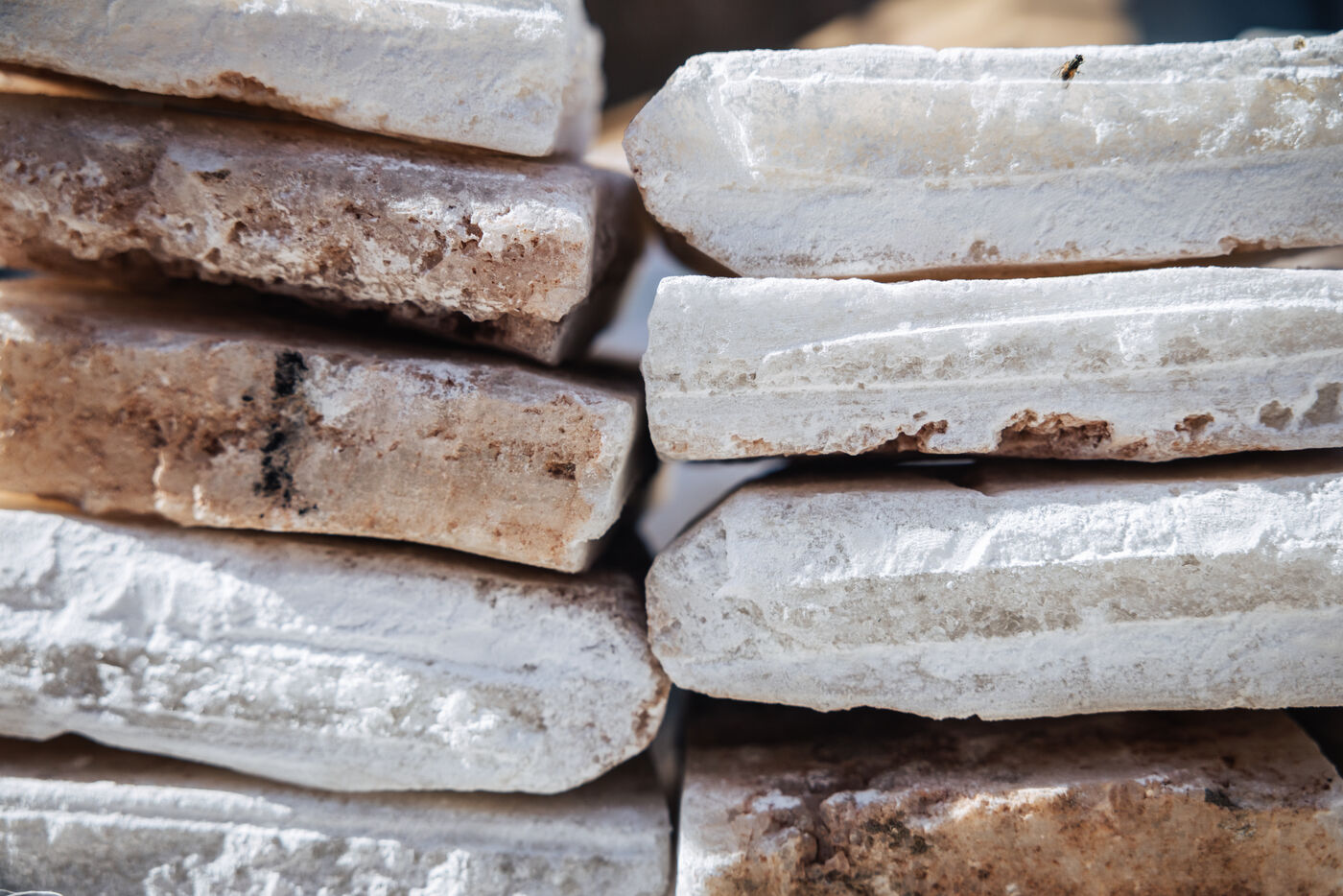
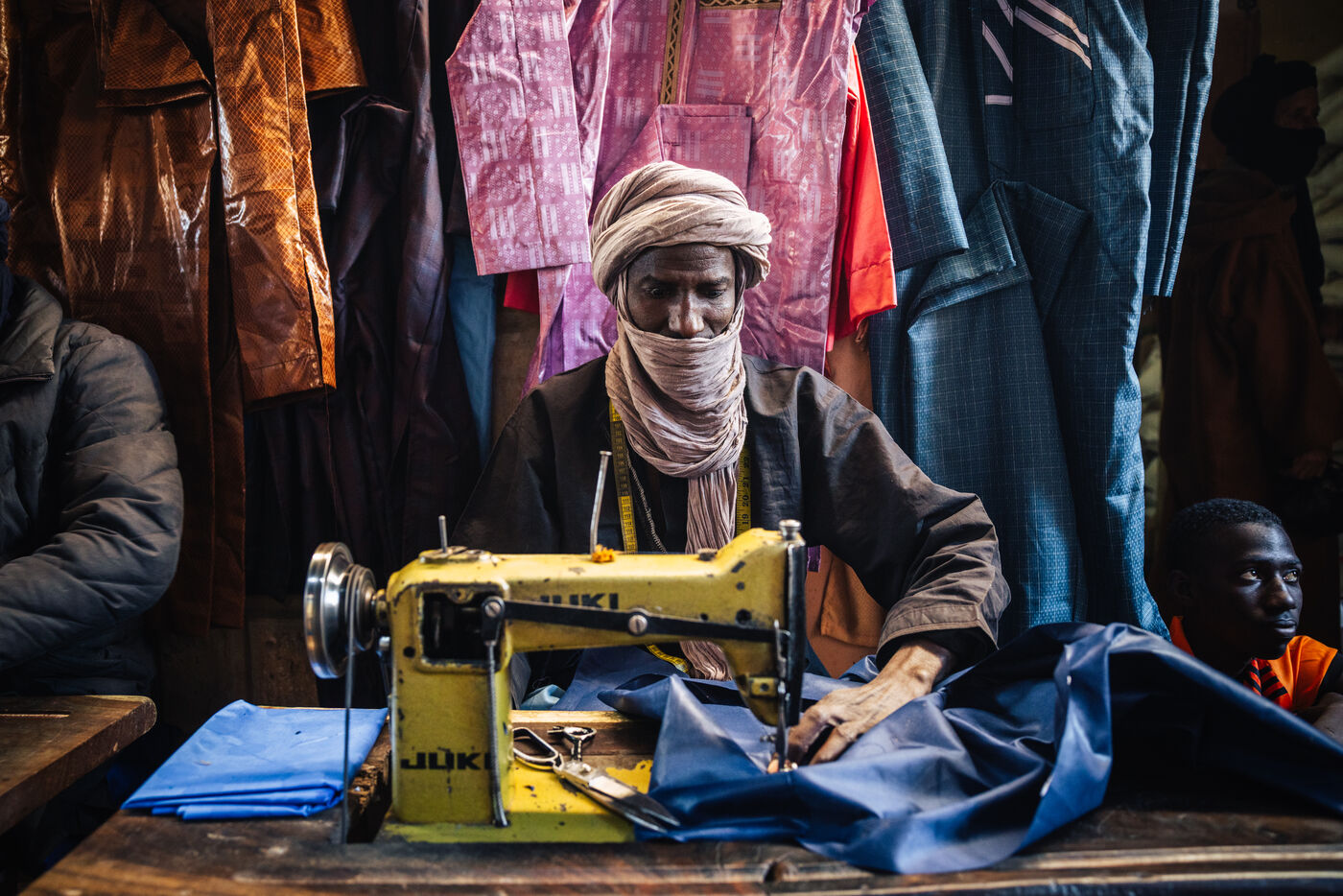
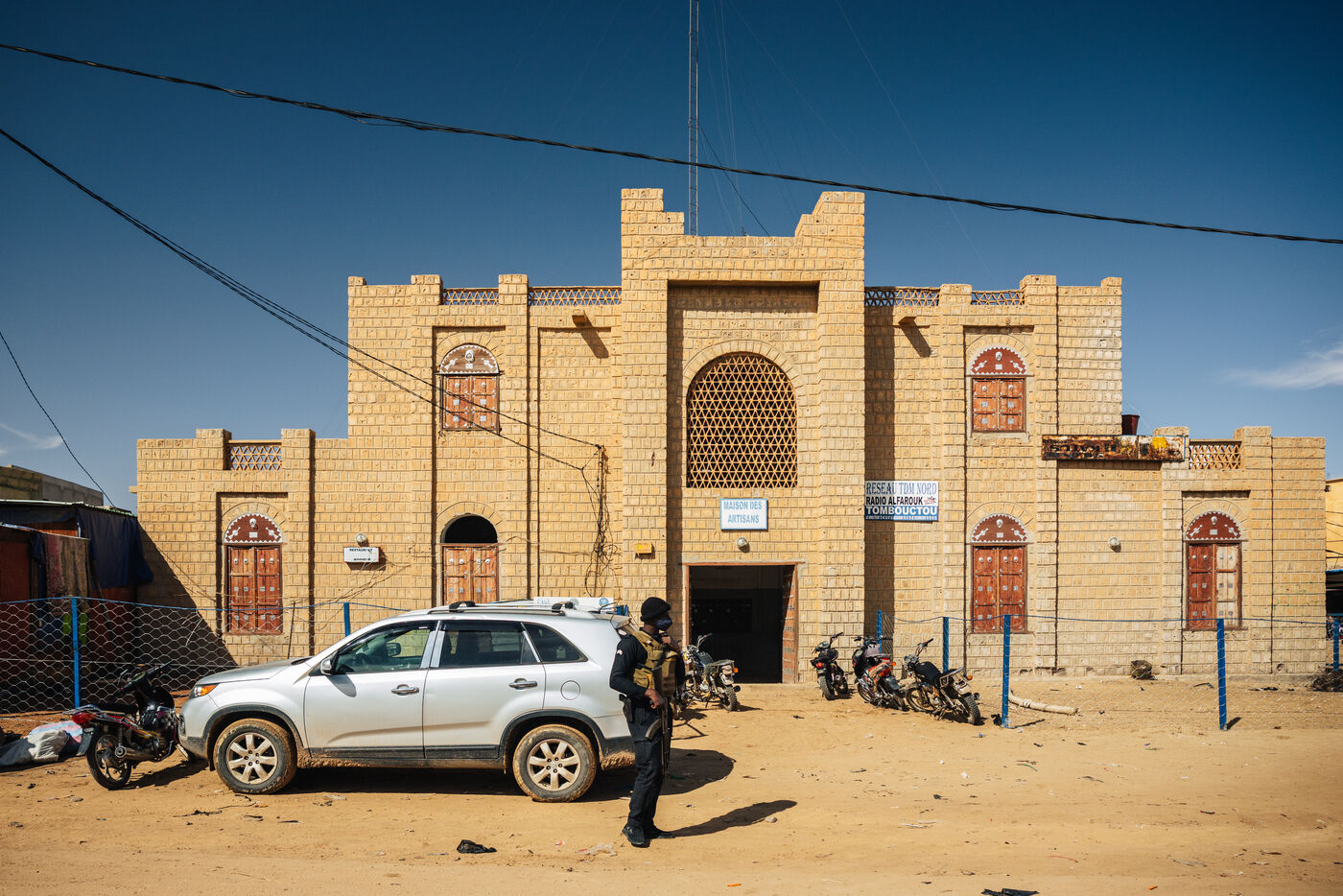
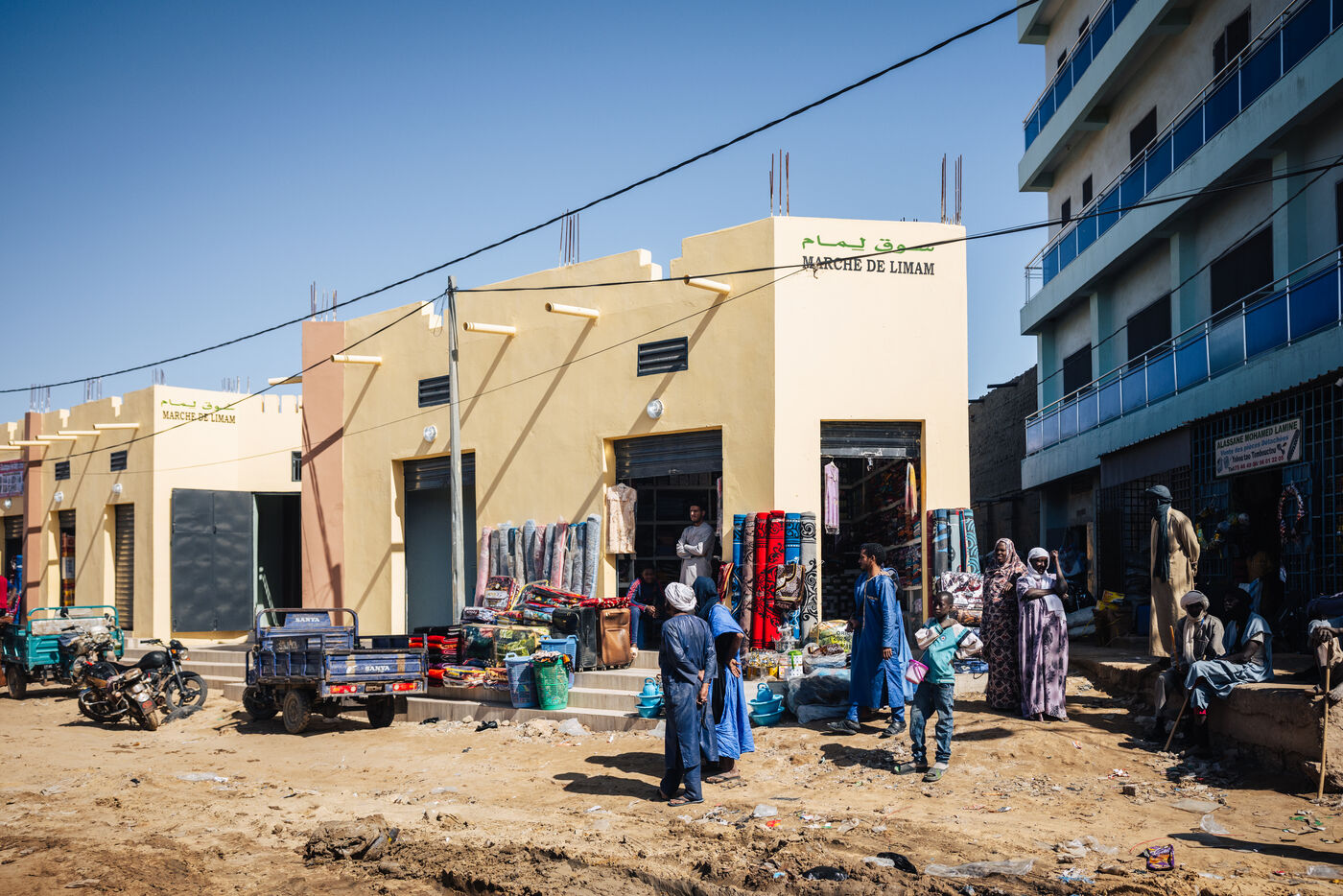
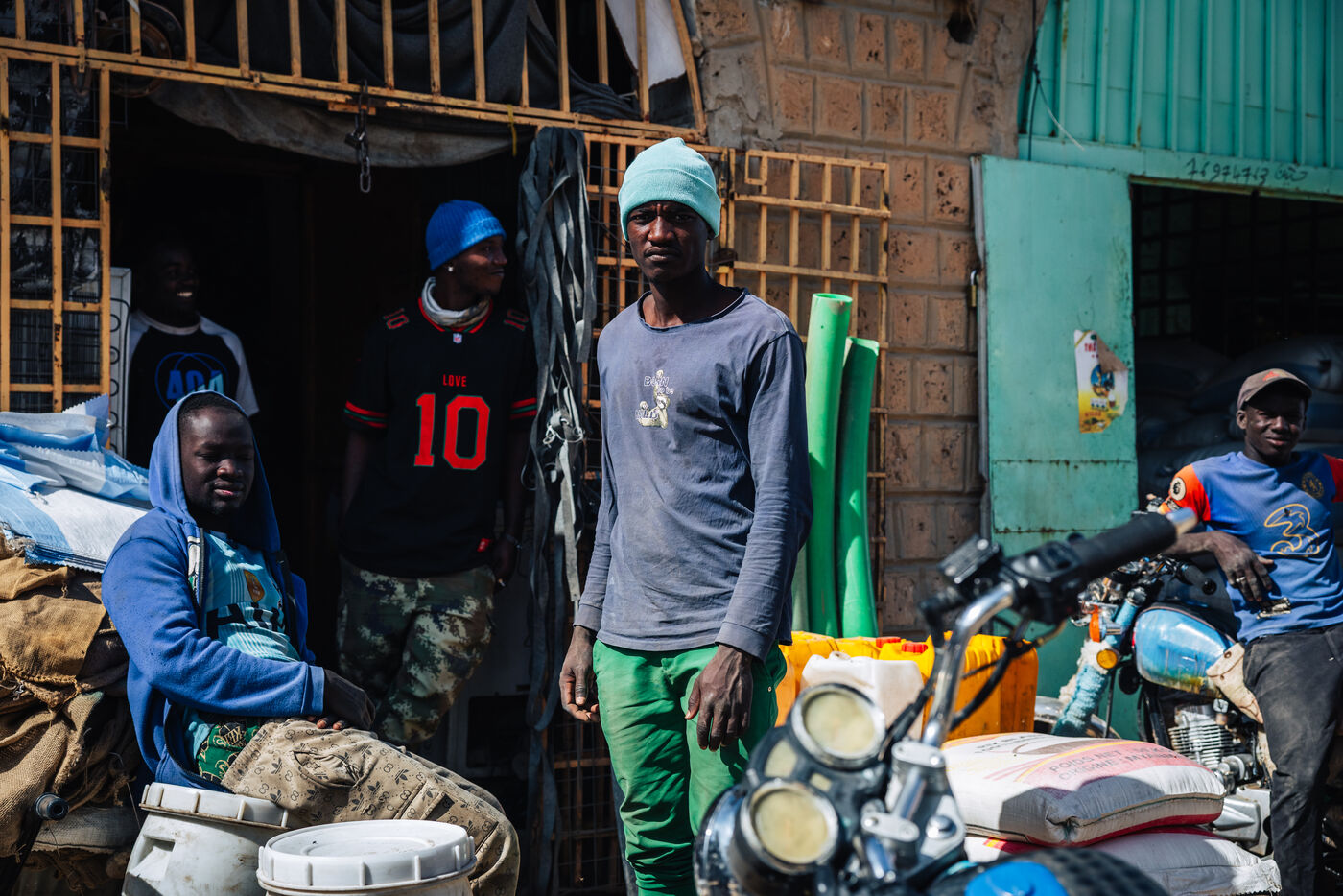
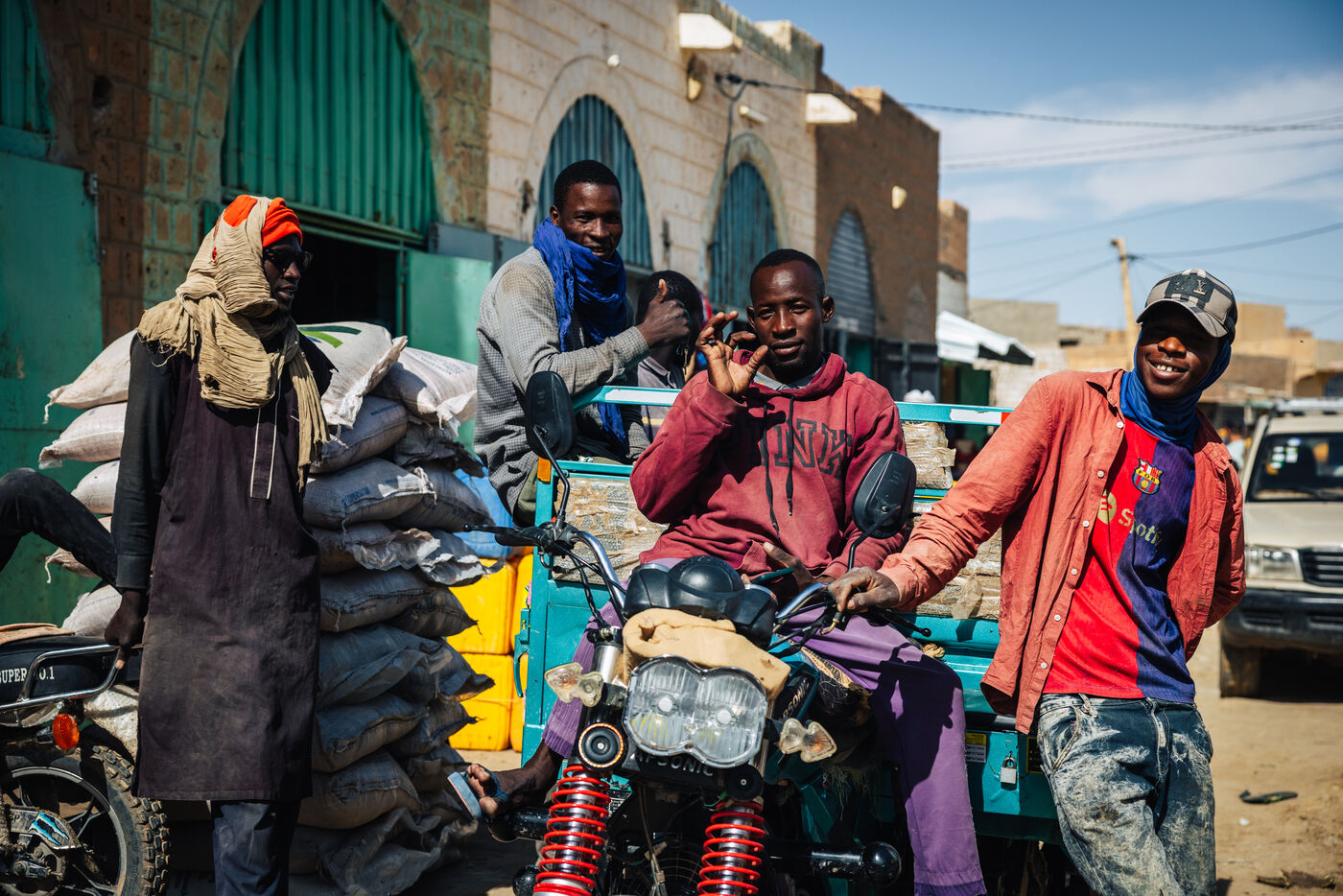
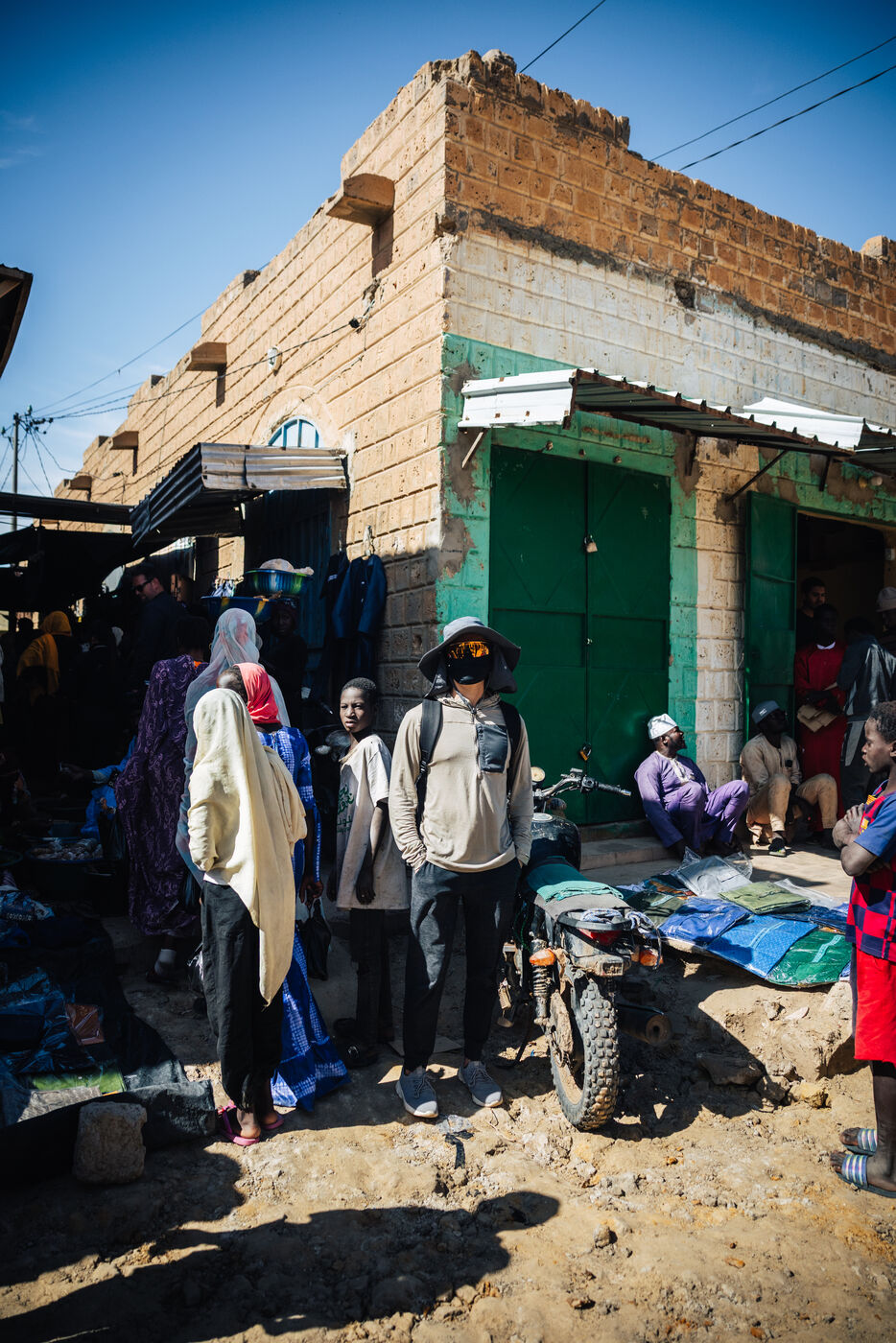
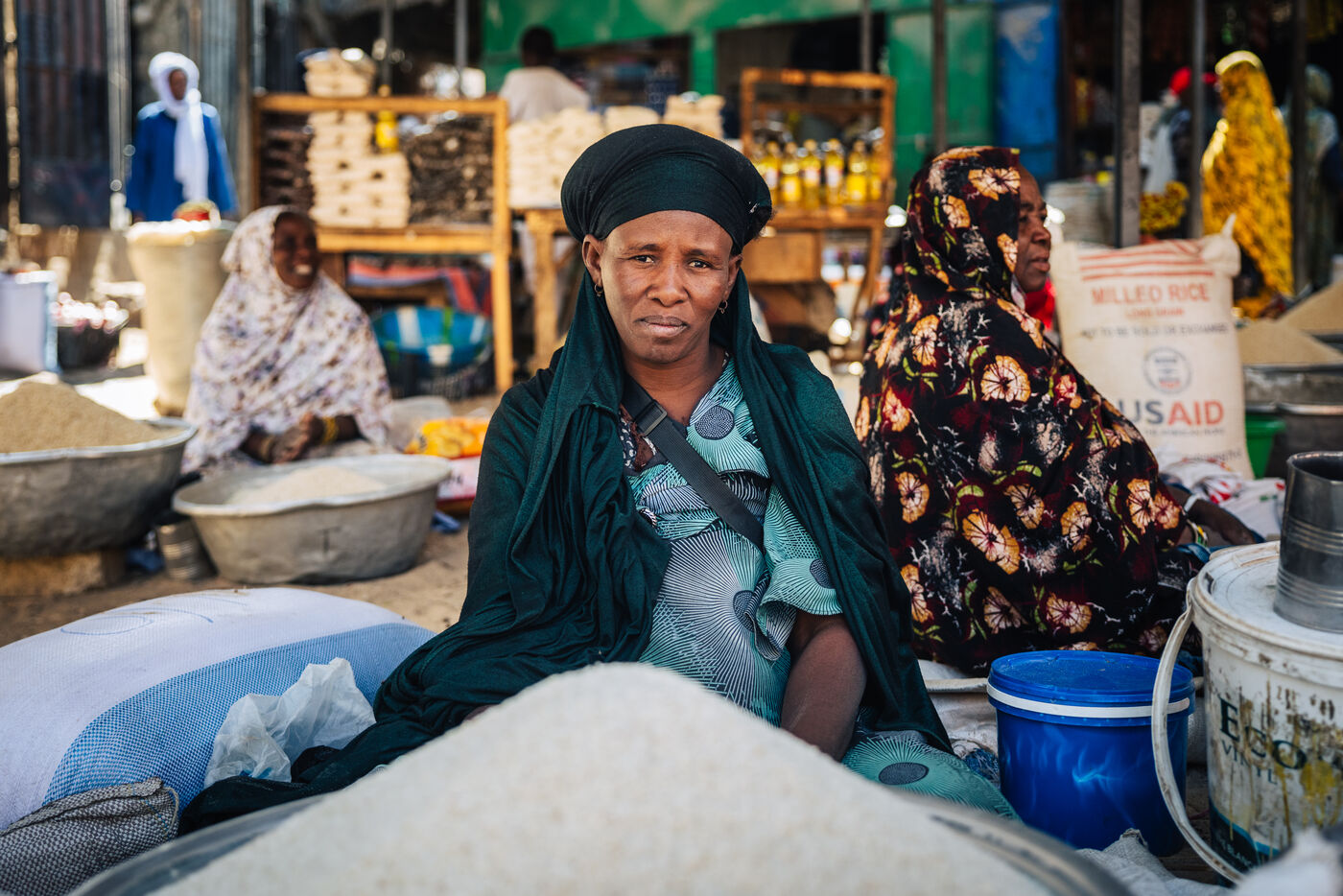
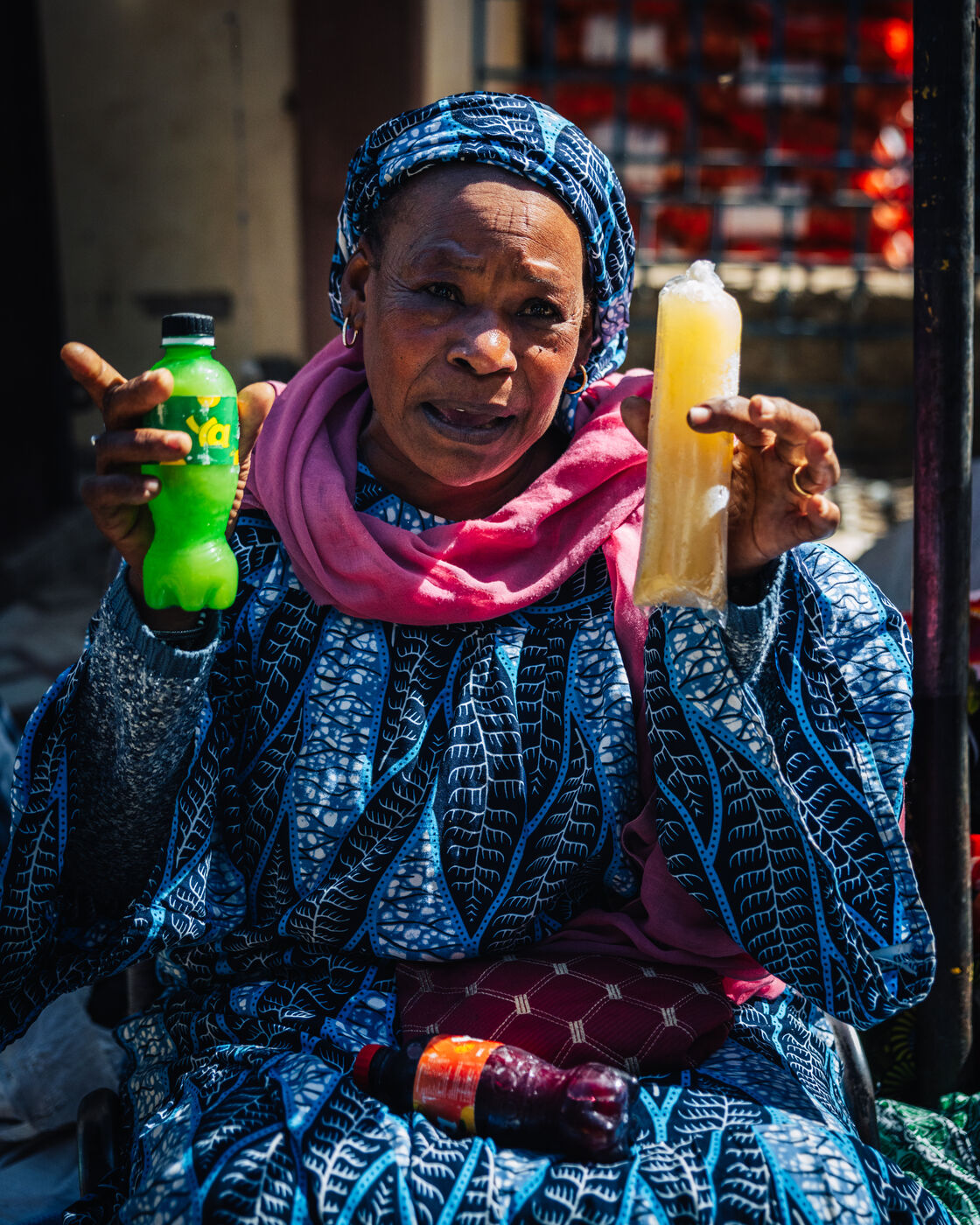
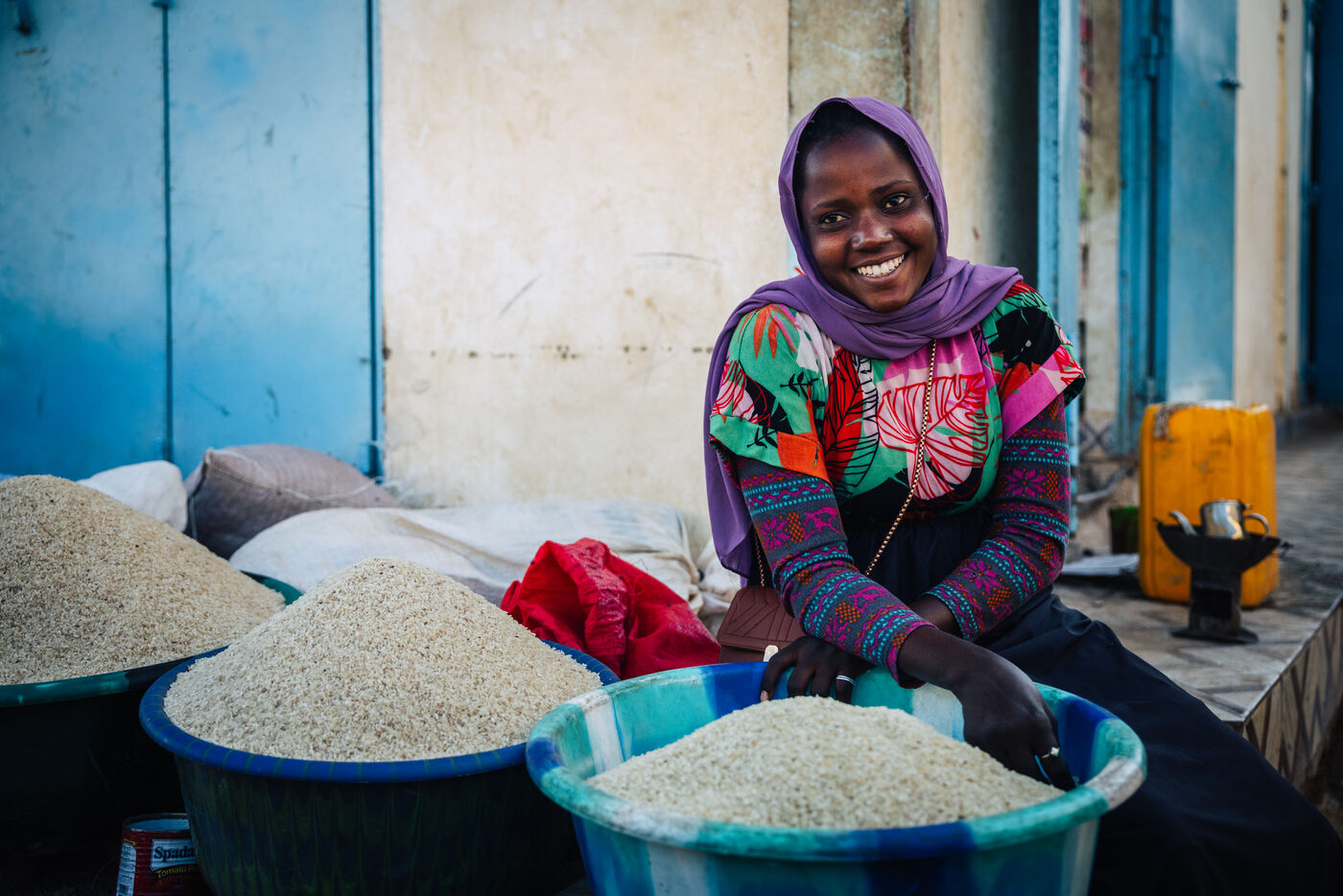
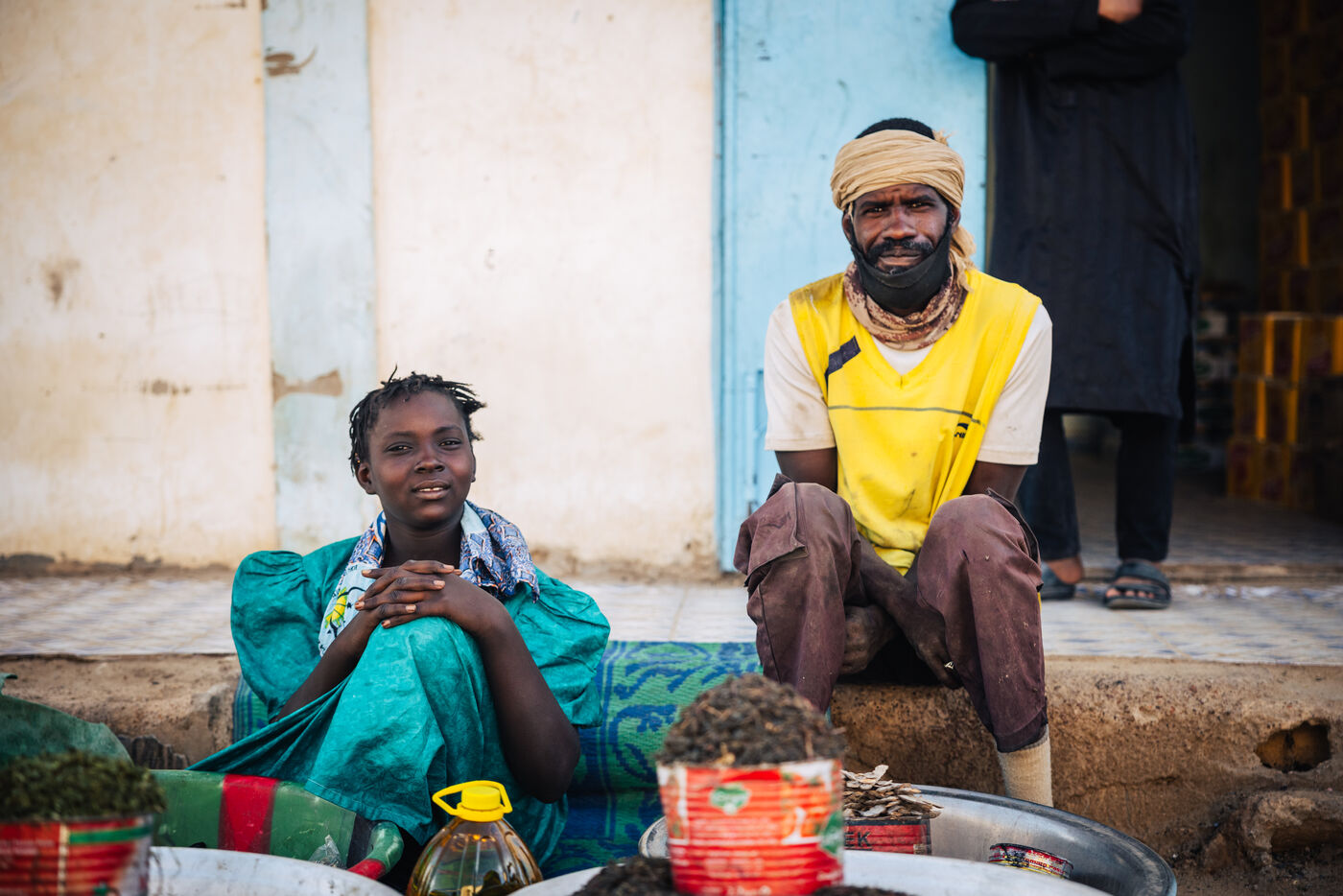
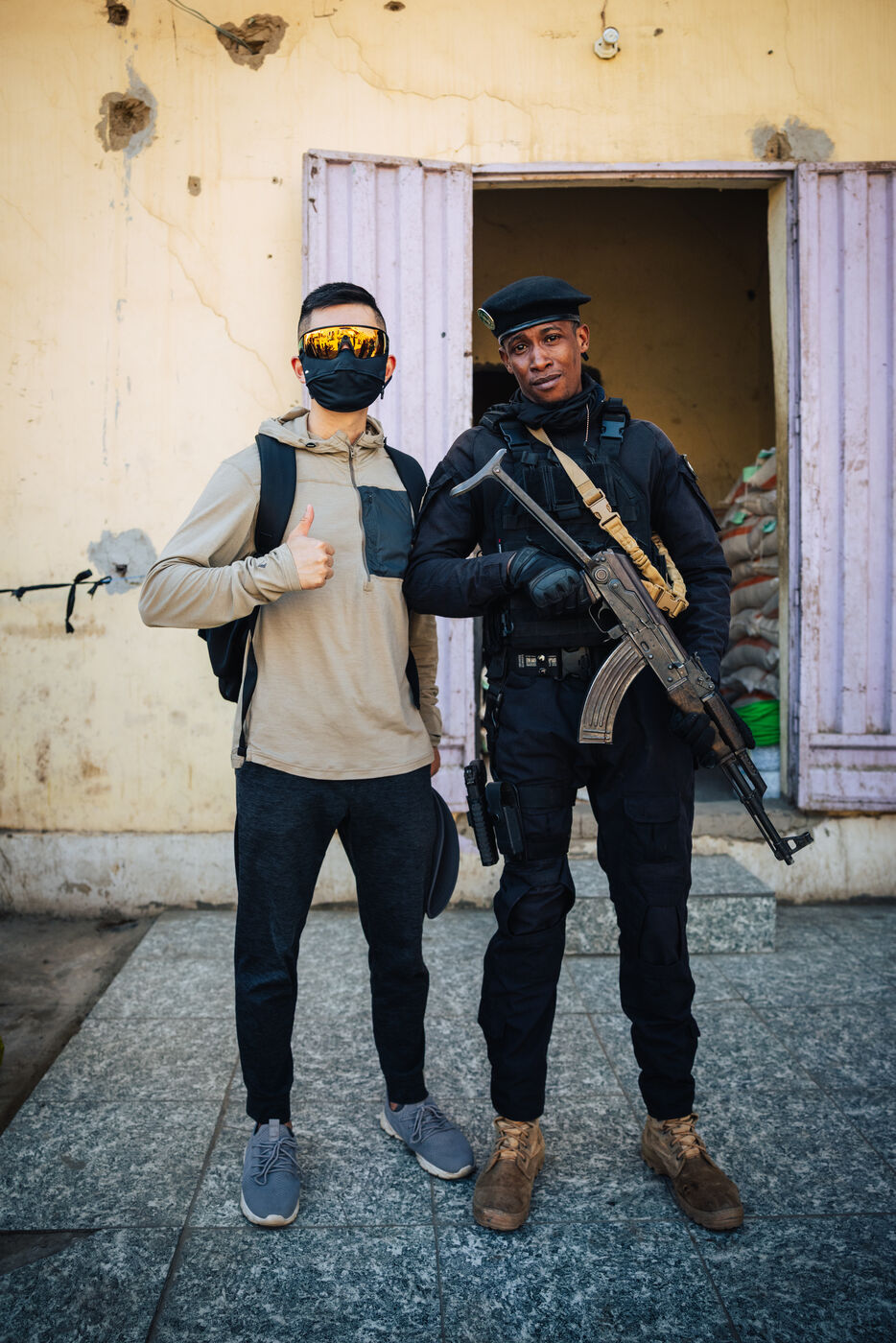
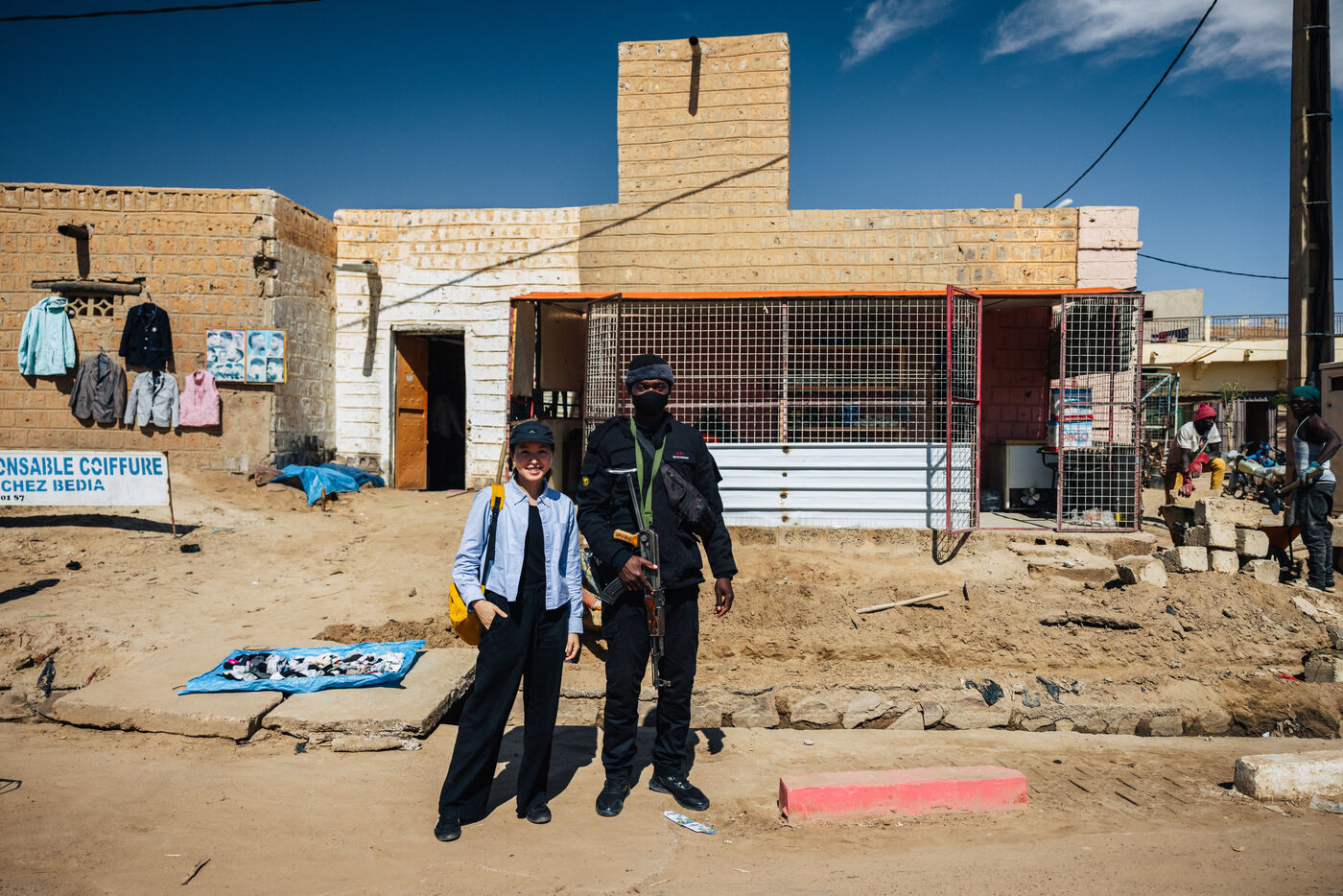
Timbuktu. Just typing that word feels surreal. For most people, Timbuktu is a metaphor for the edge of the world, a place so remote it might as well not exist. But it does exist. And we're here. It sits on the southern edge of the Sahara in northern Mali, and for centuries it was one of the wealthiest and most intellectually vibrant cities on earth. A crossroads of trans-Saharan trade in gold, salt, and ivory, and a center of Islamic scholarship that rivaled anything in the medieval world. Getting here required serious planning, local contacts, and security coordination. This is a Level 4 "Do Not Travel" zone within a Level 4 country, with jihadist groups operating throughout northern Mali. But spending 48 hours in one of the most legendary cities in human history is a privilege I don't take lightly.
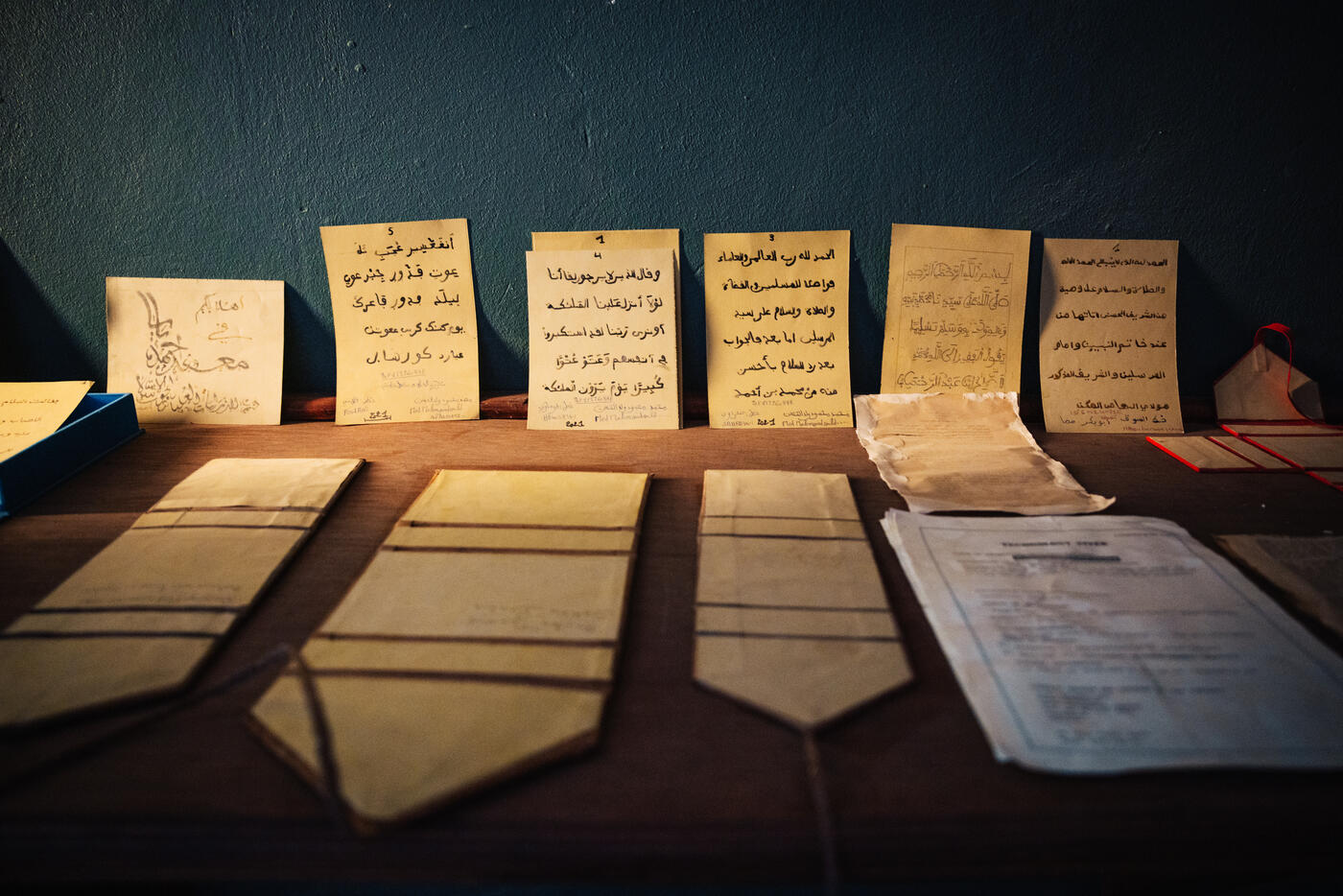
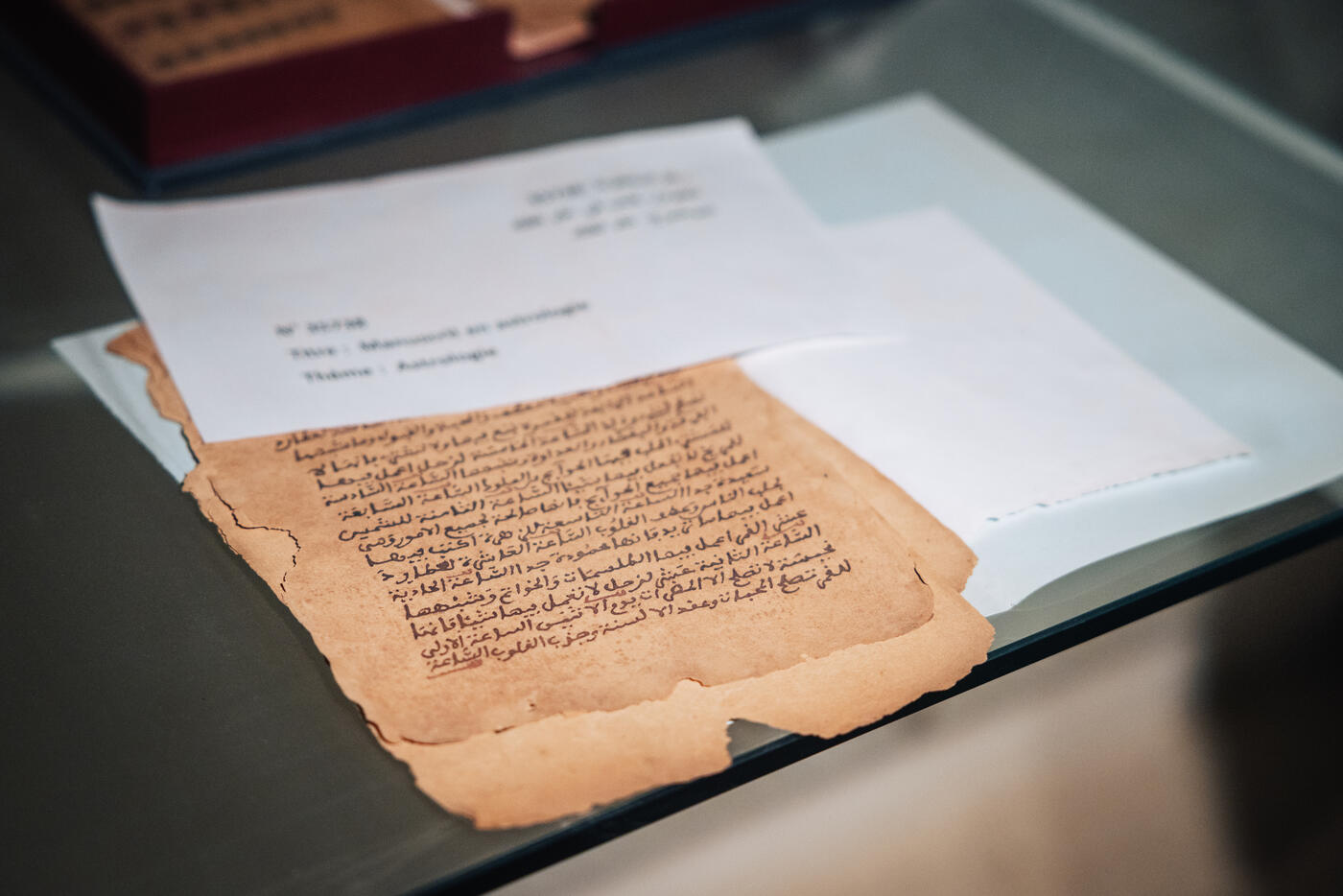
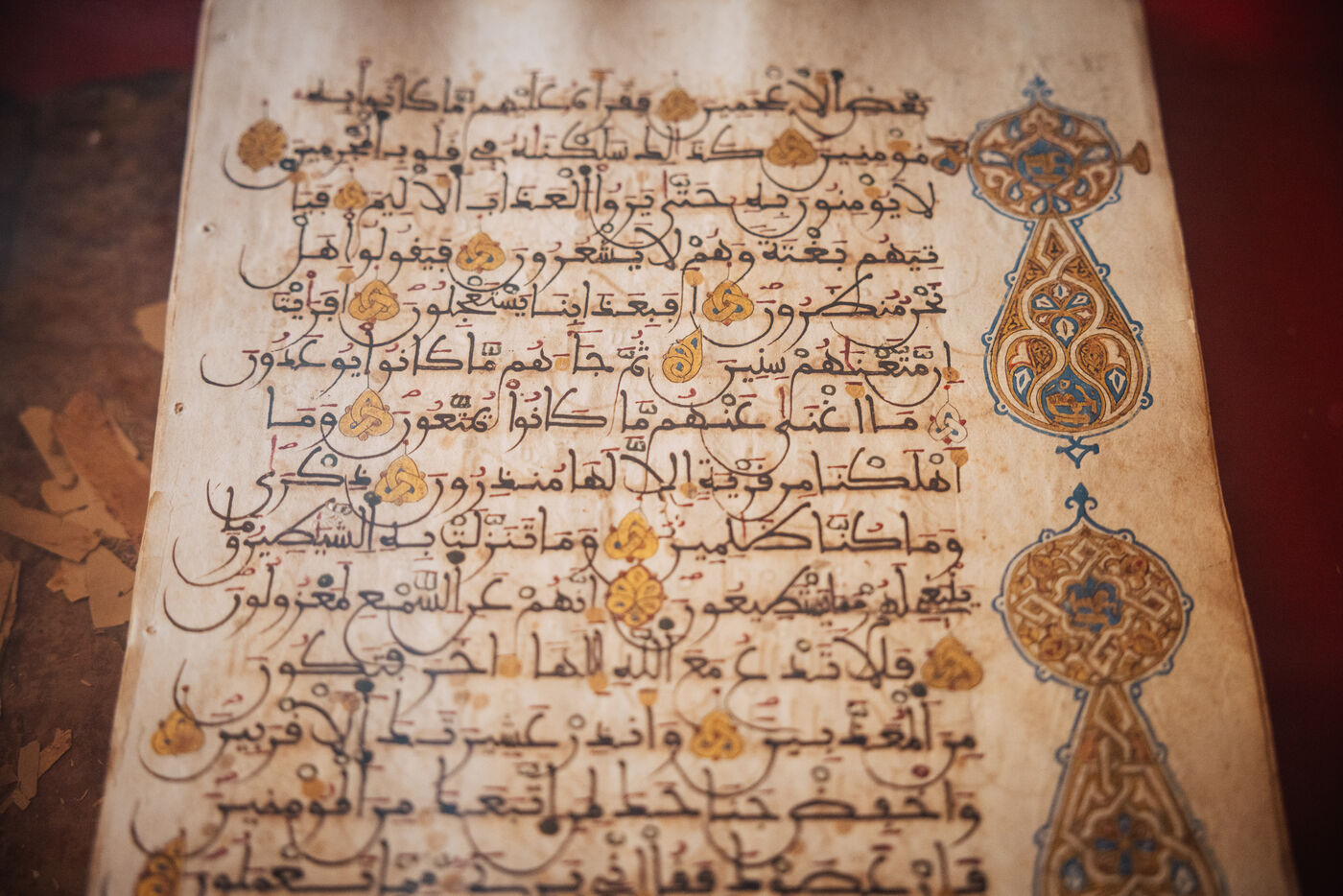
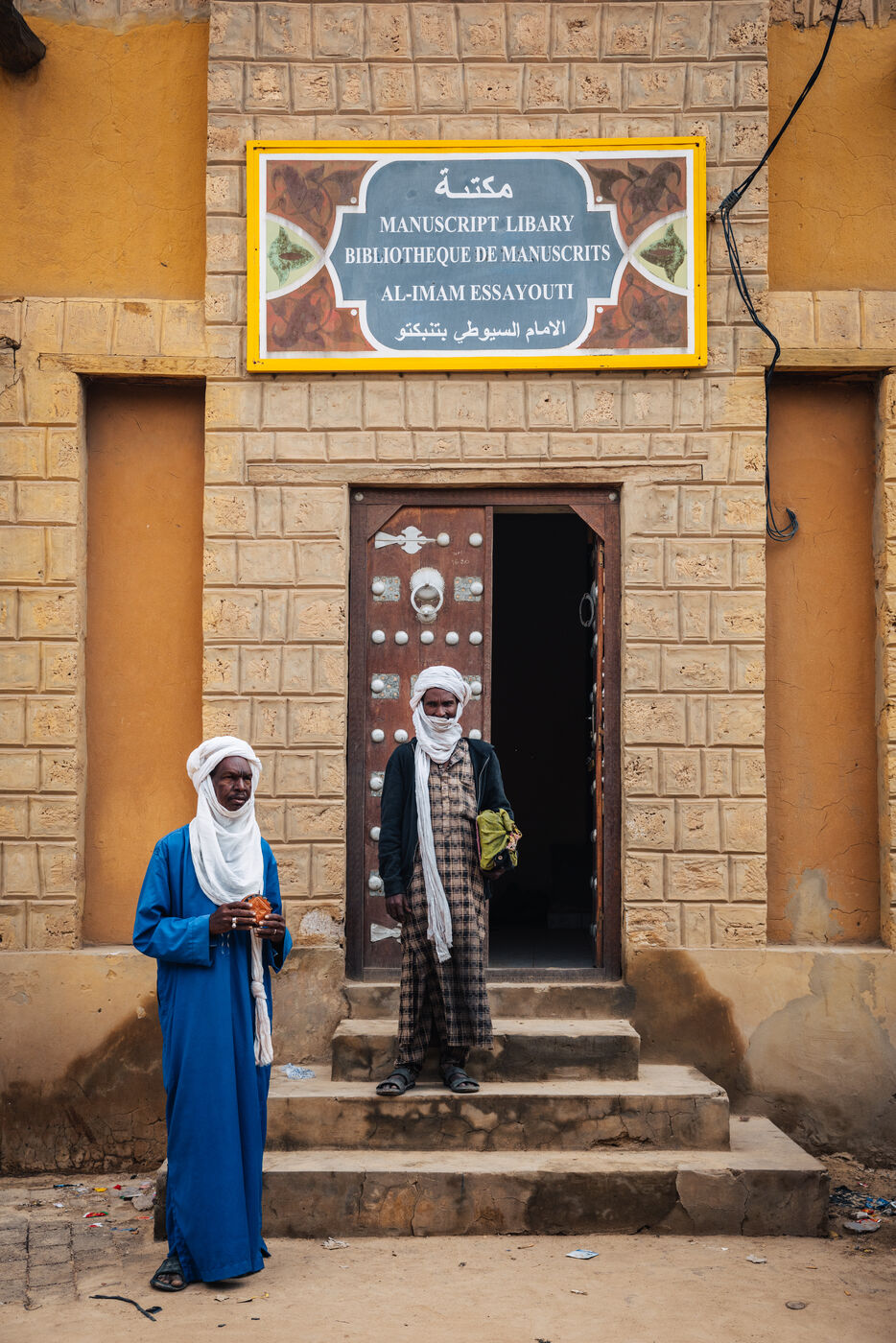
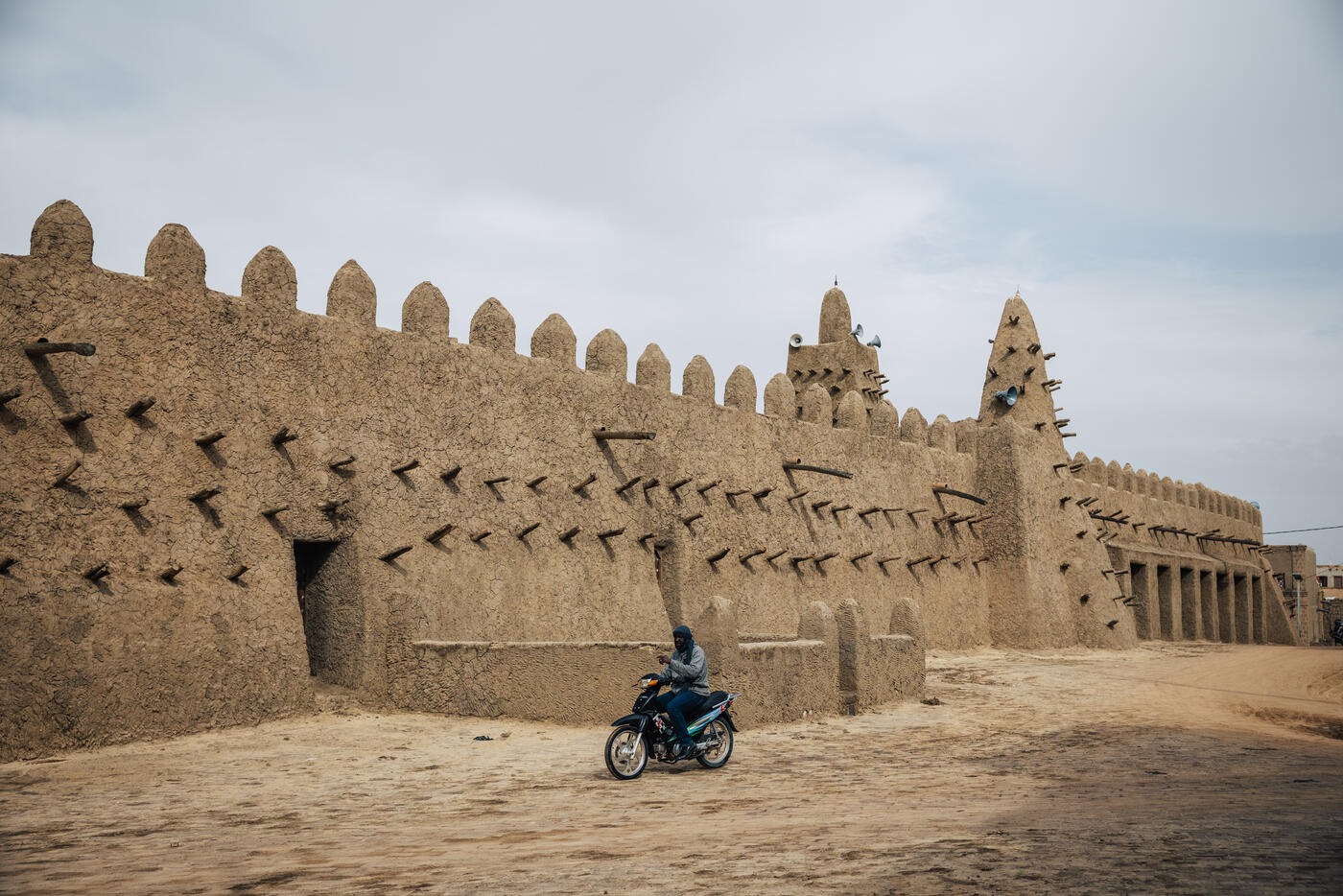
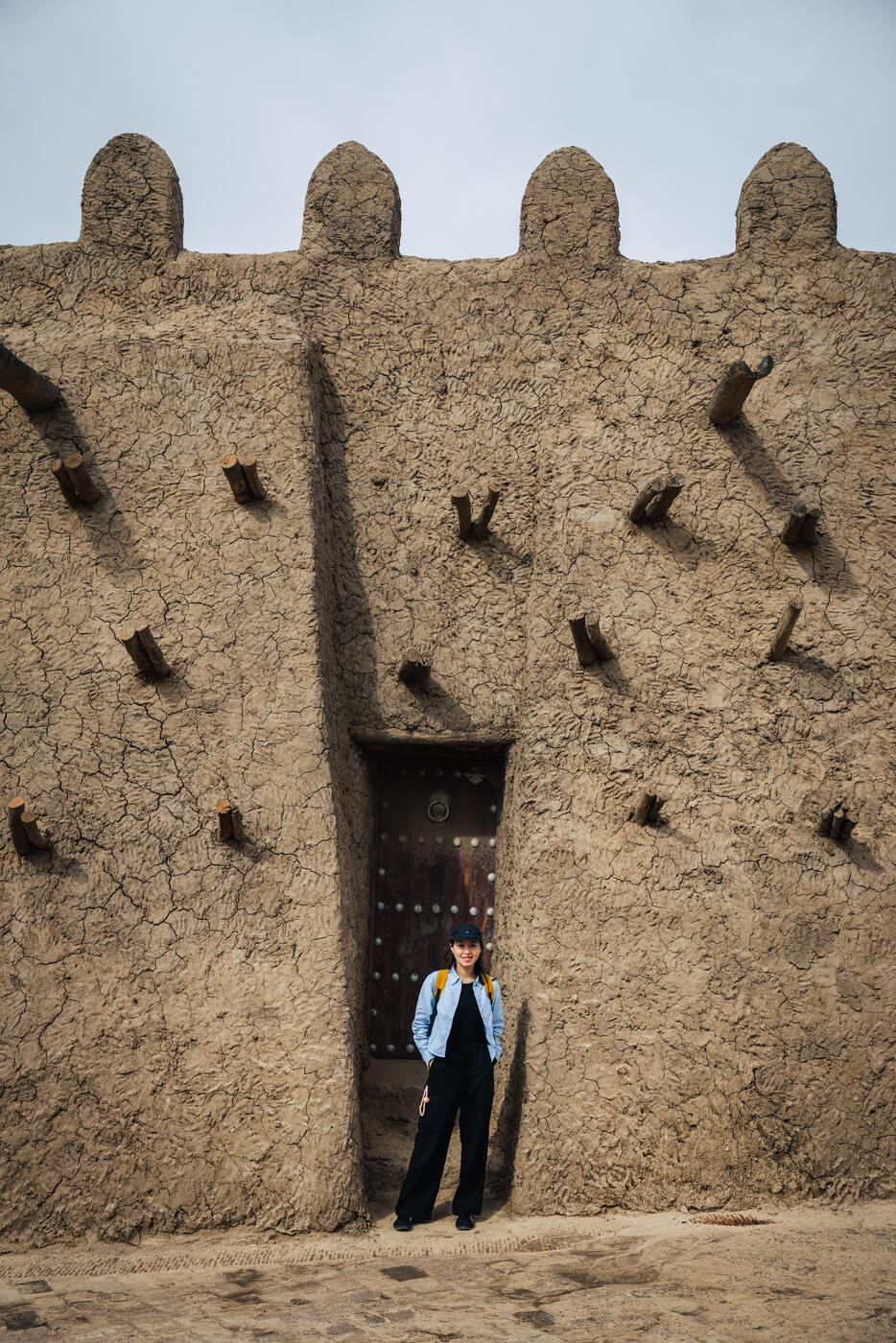
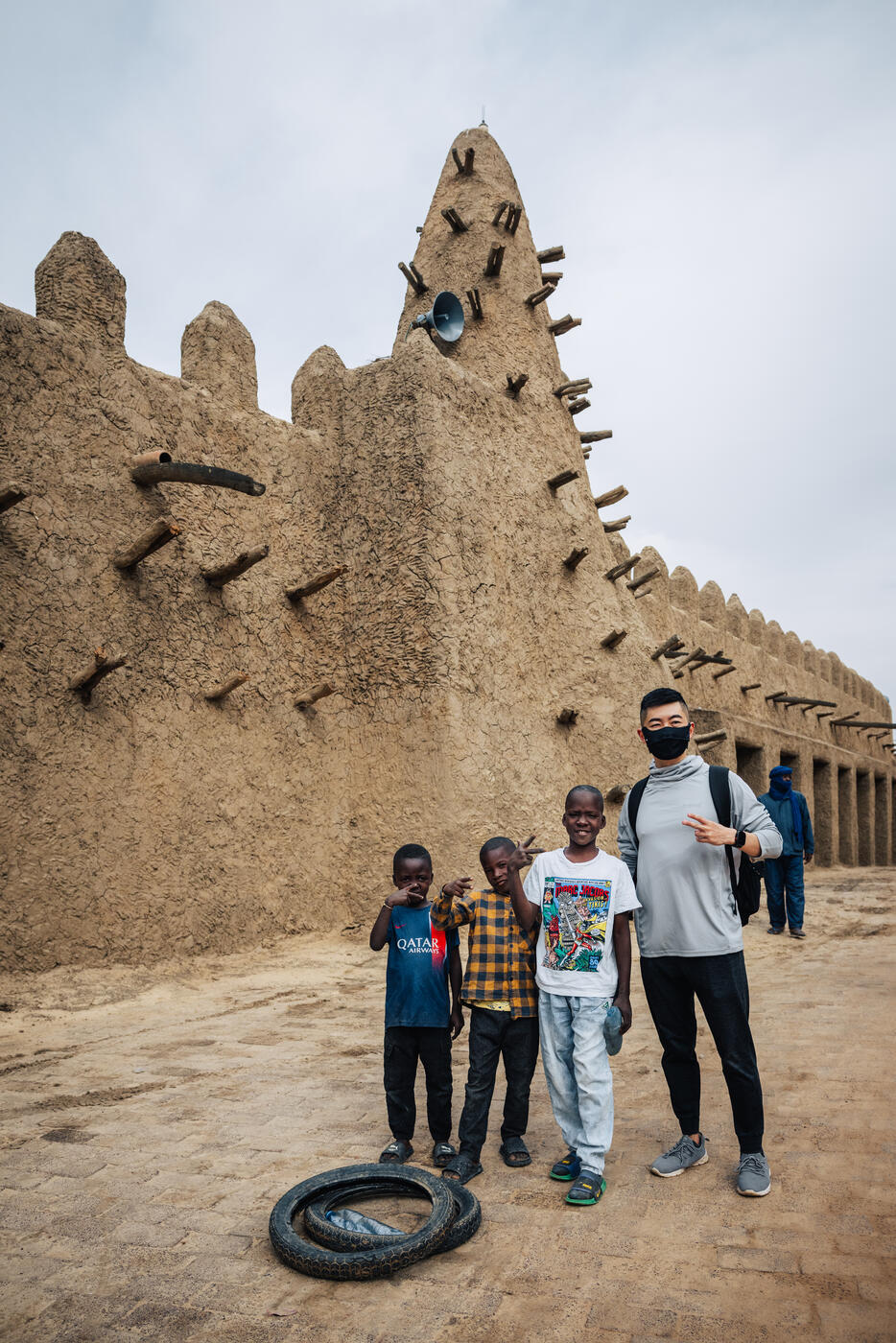
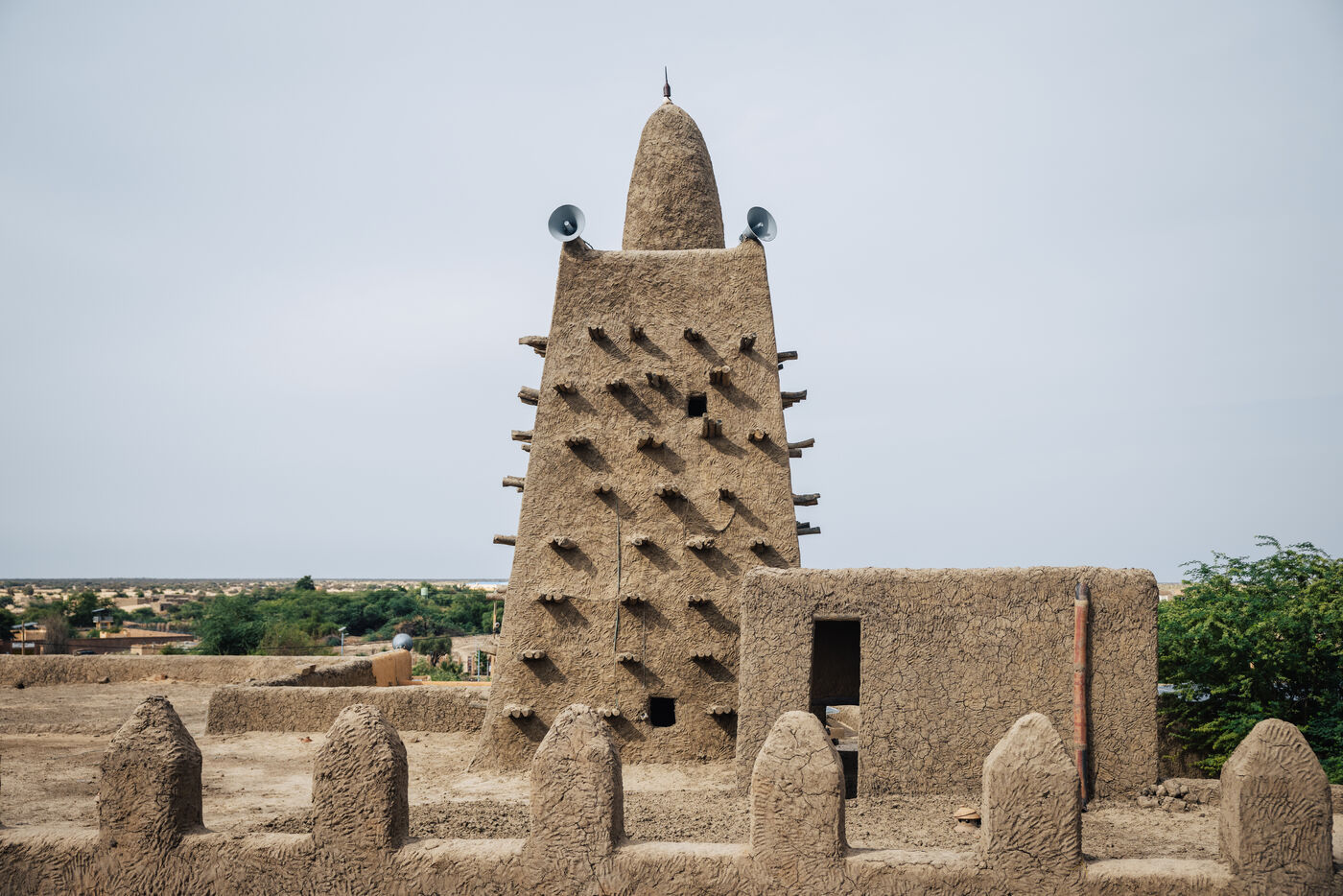
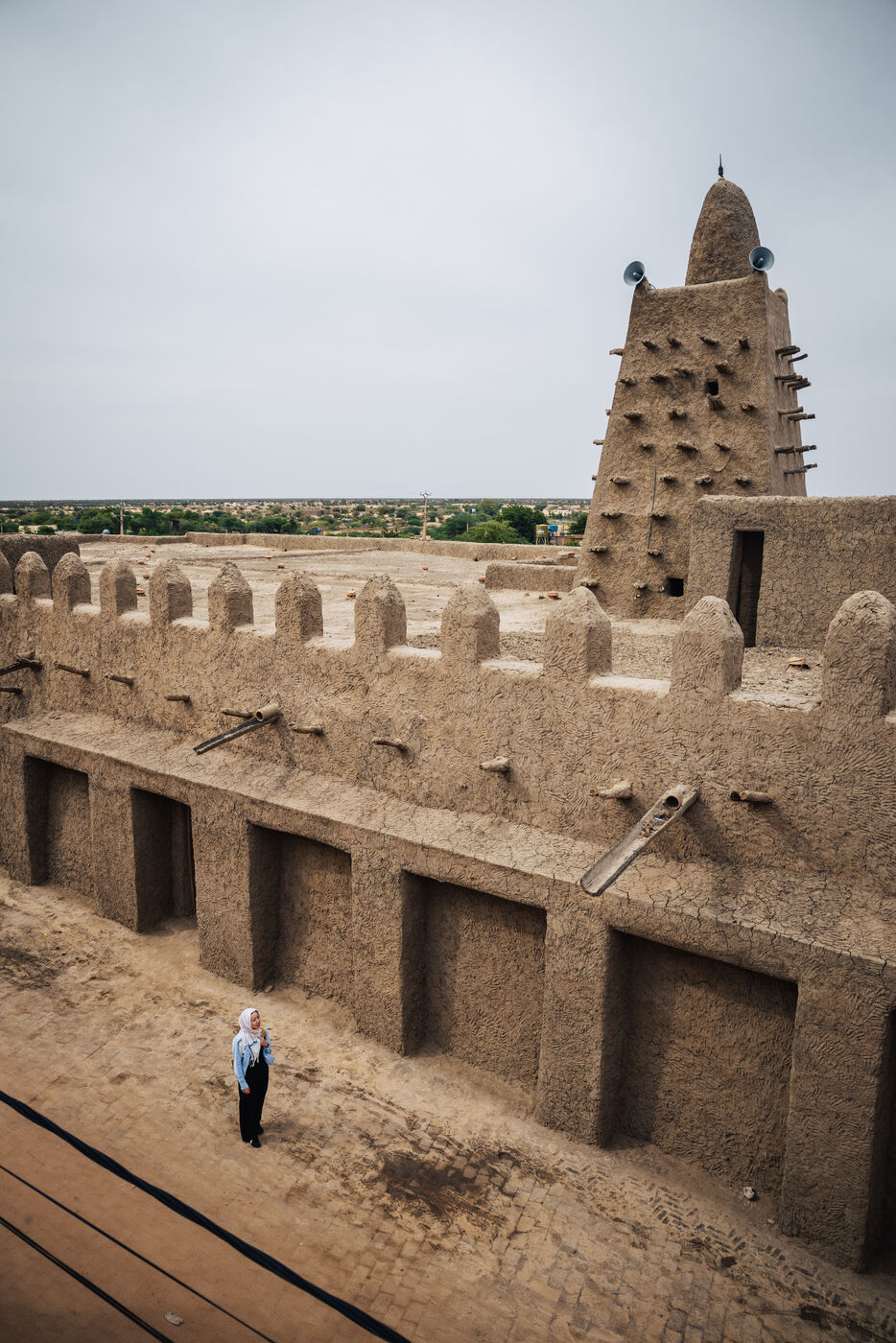
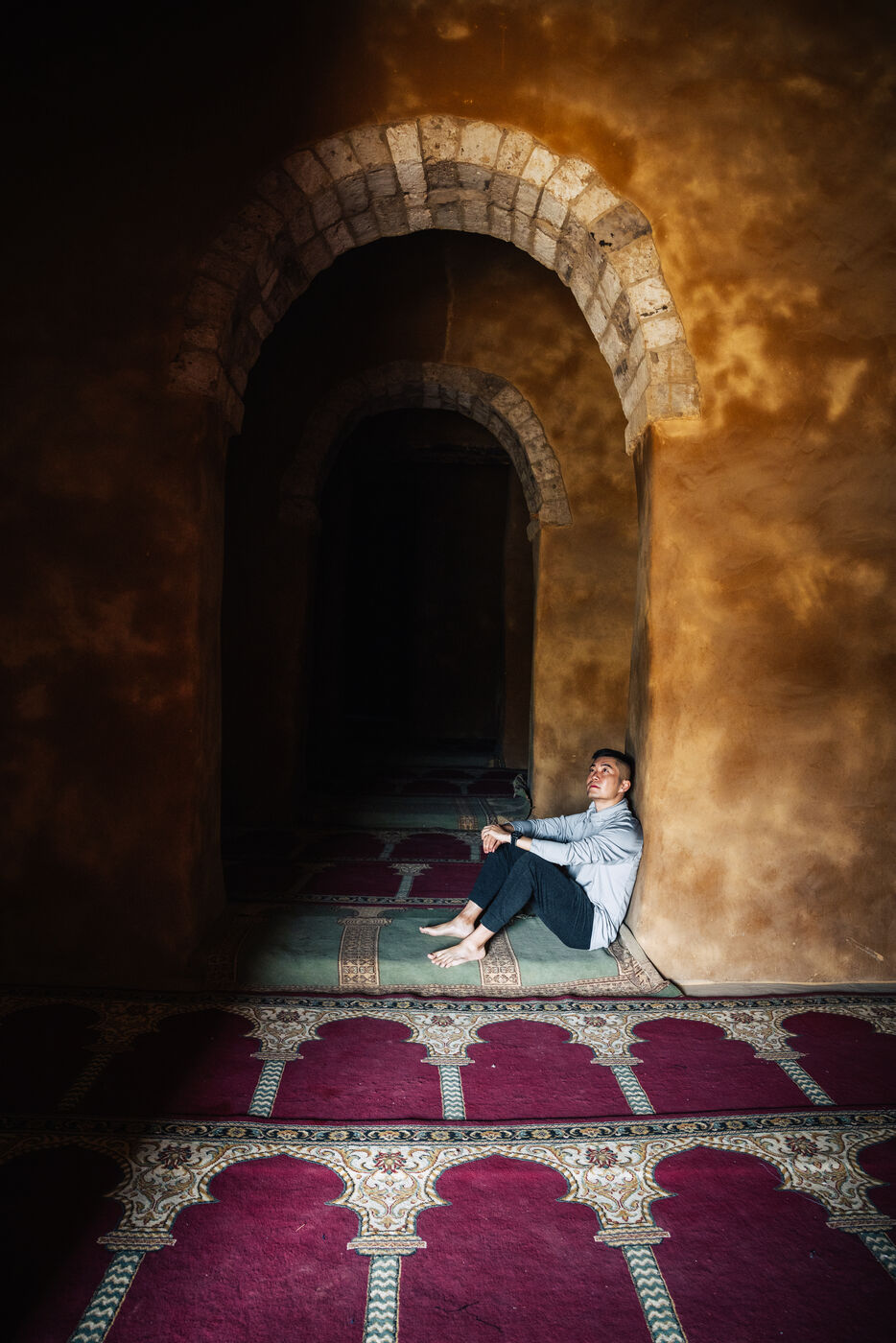
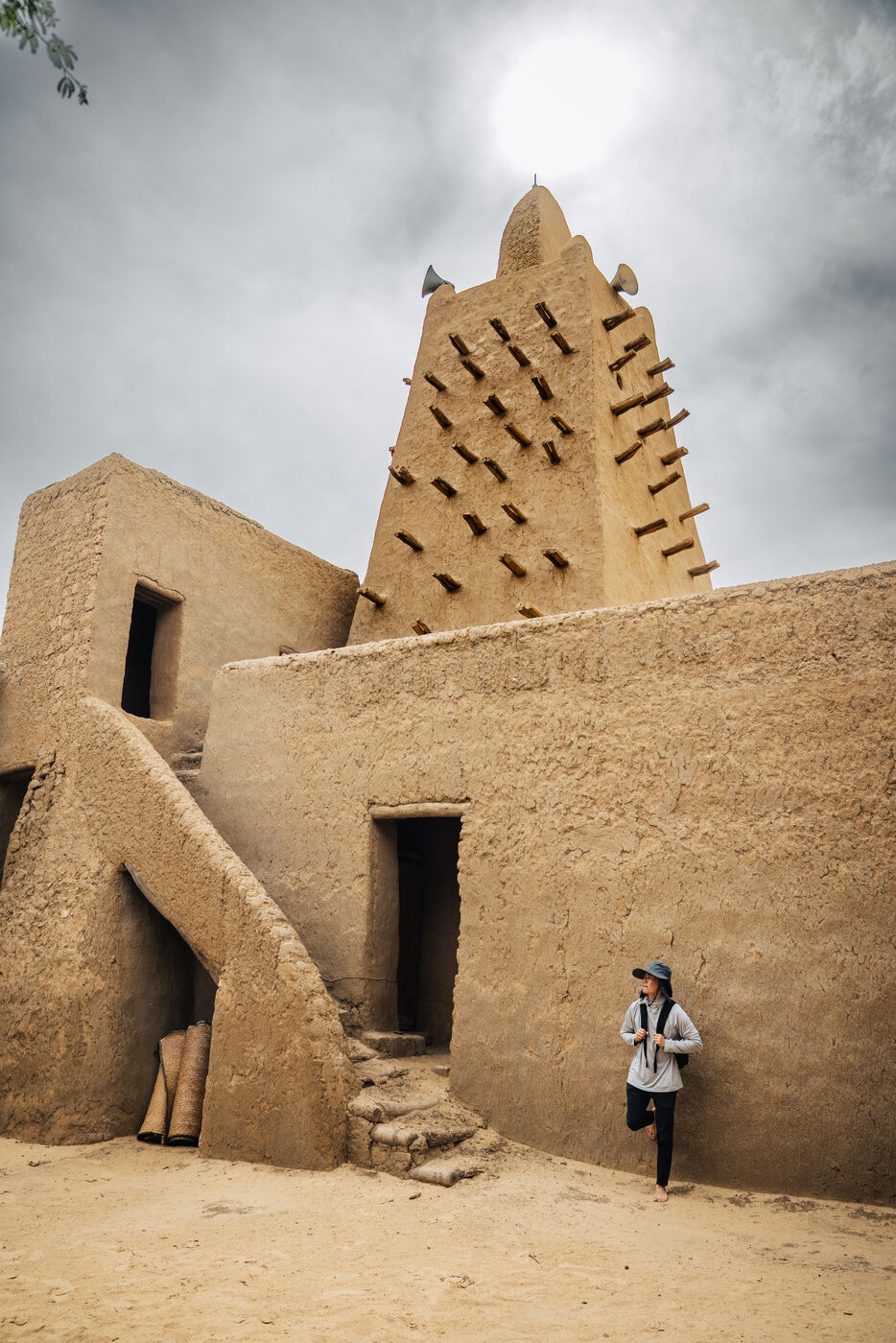
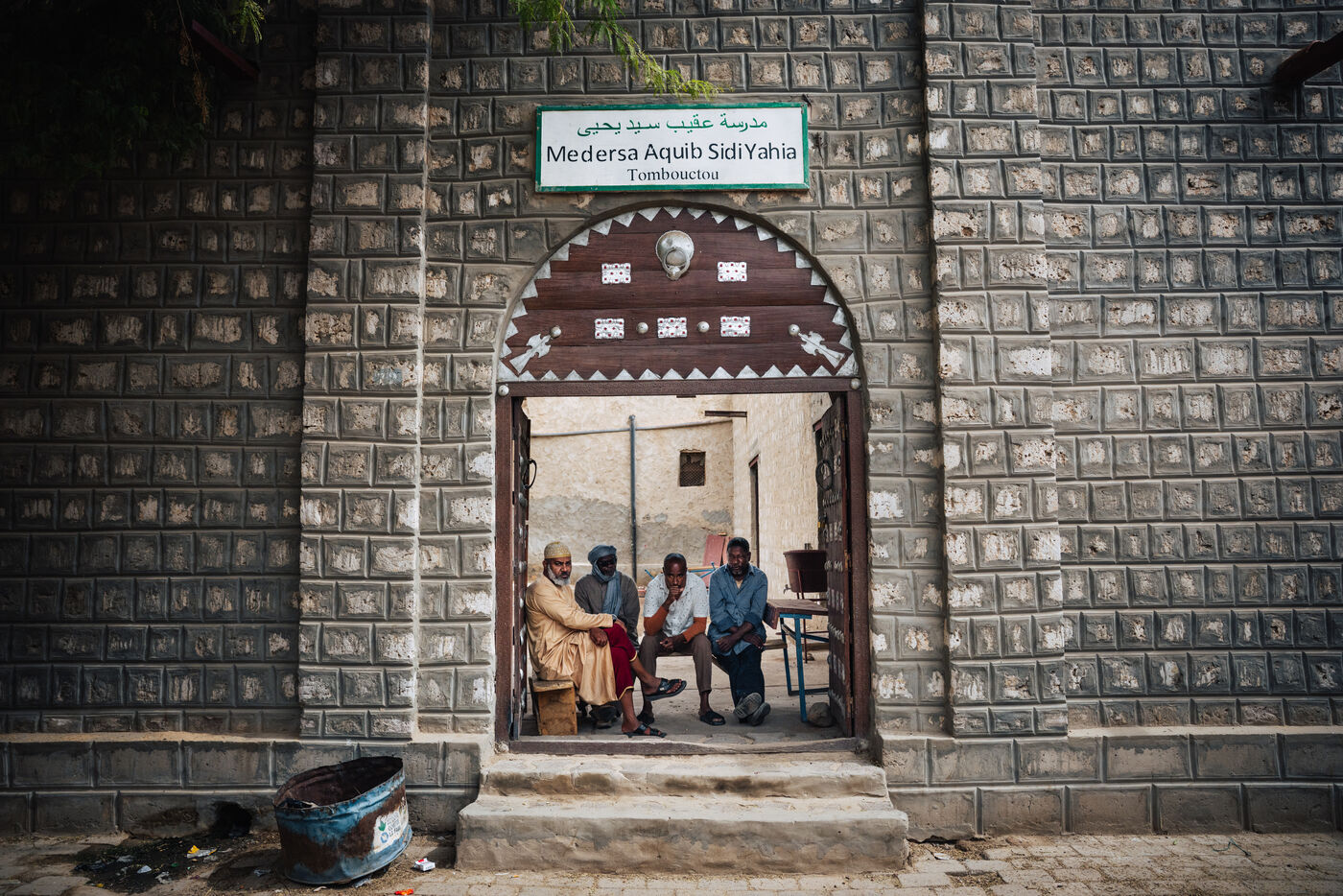
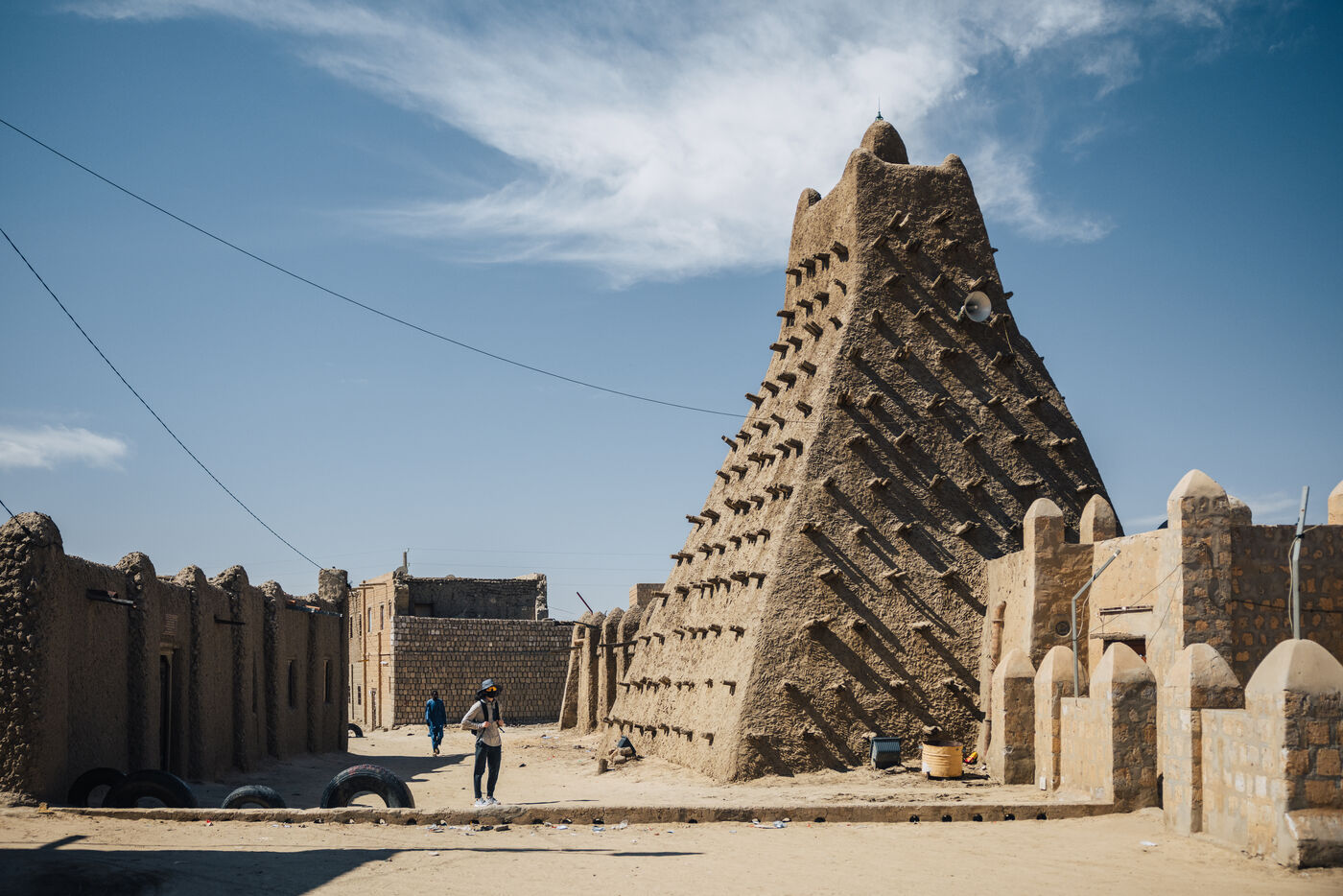
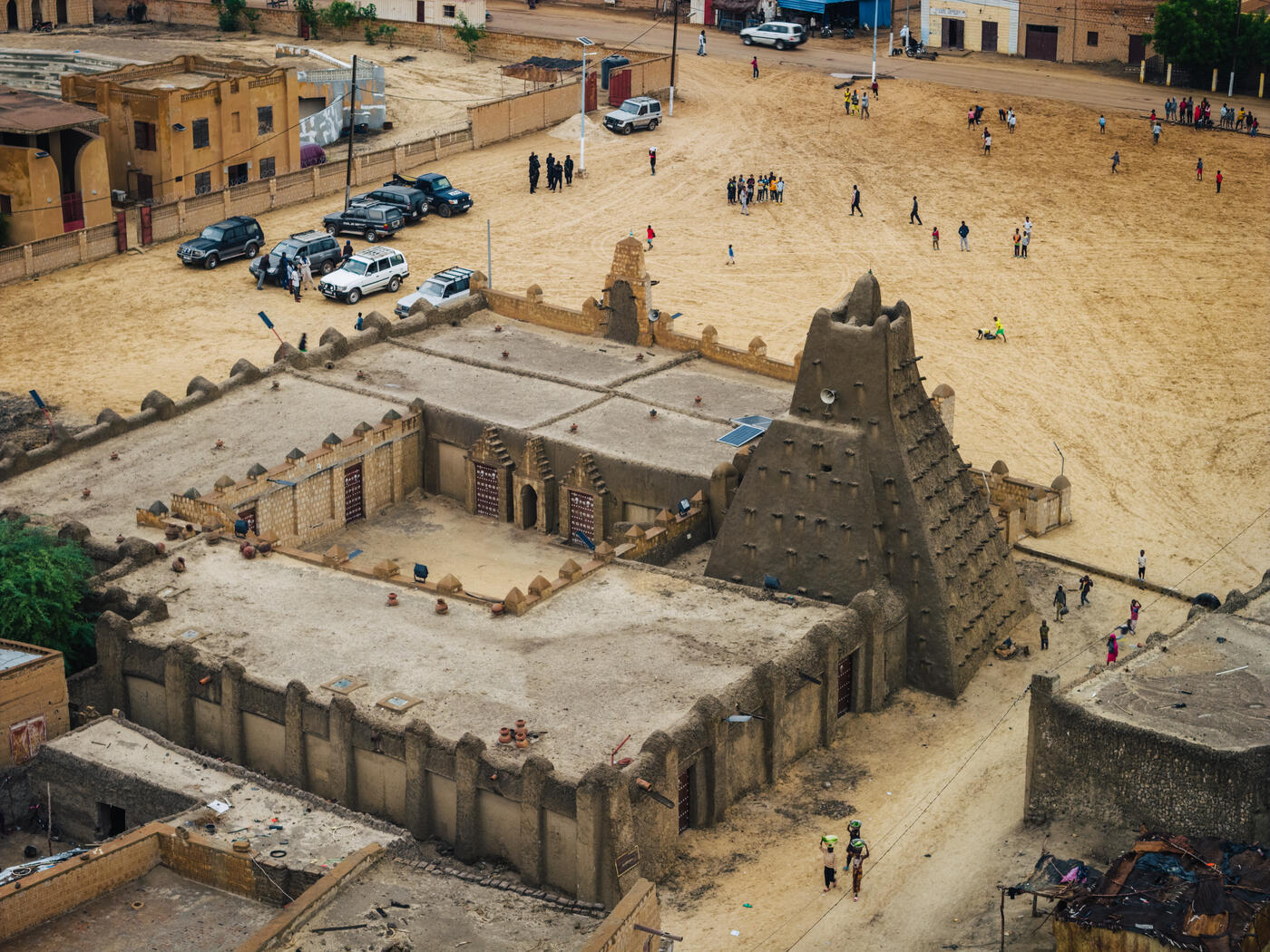
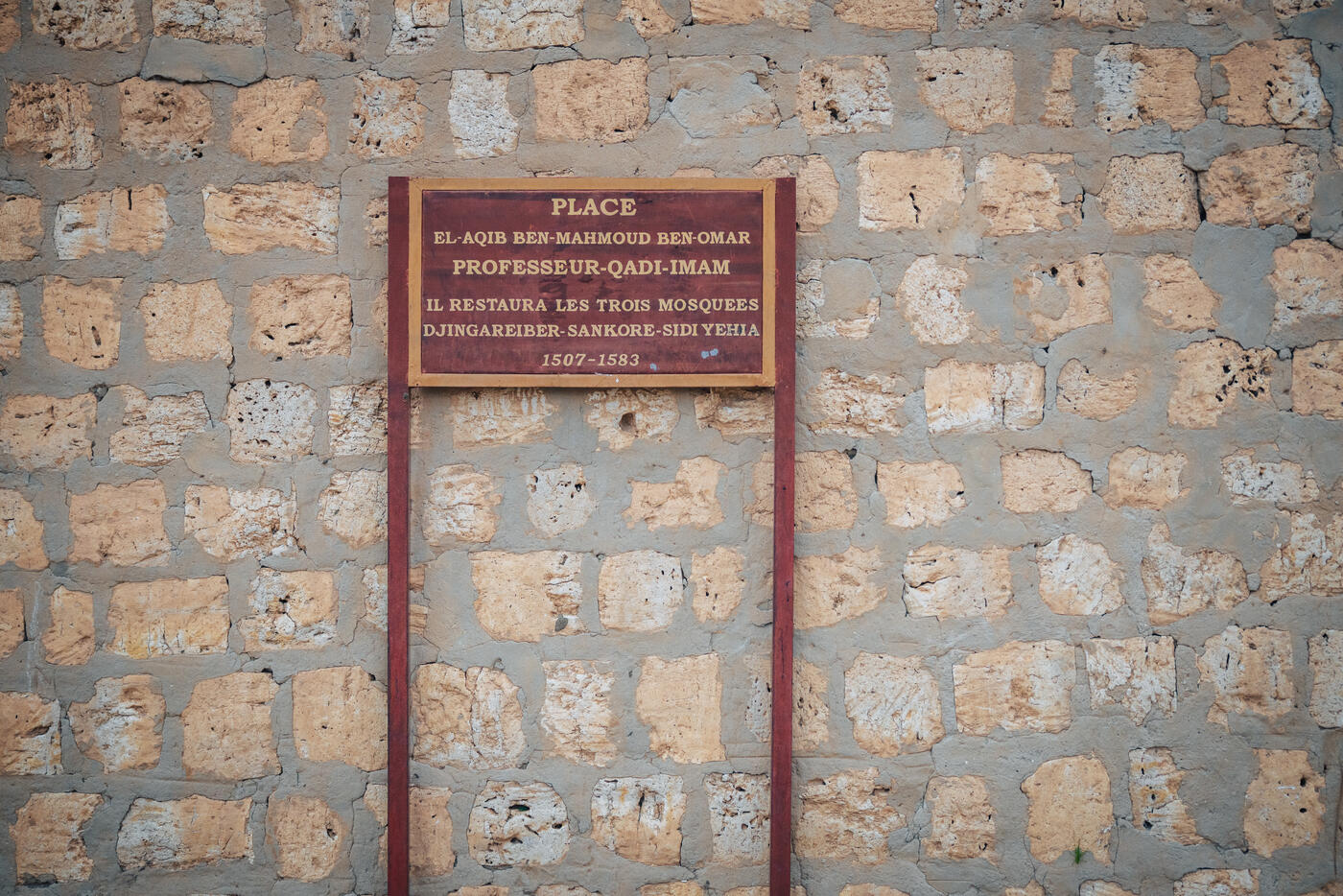
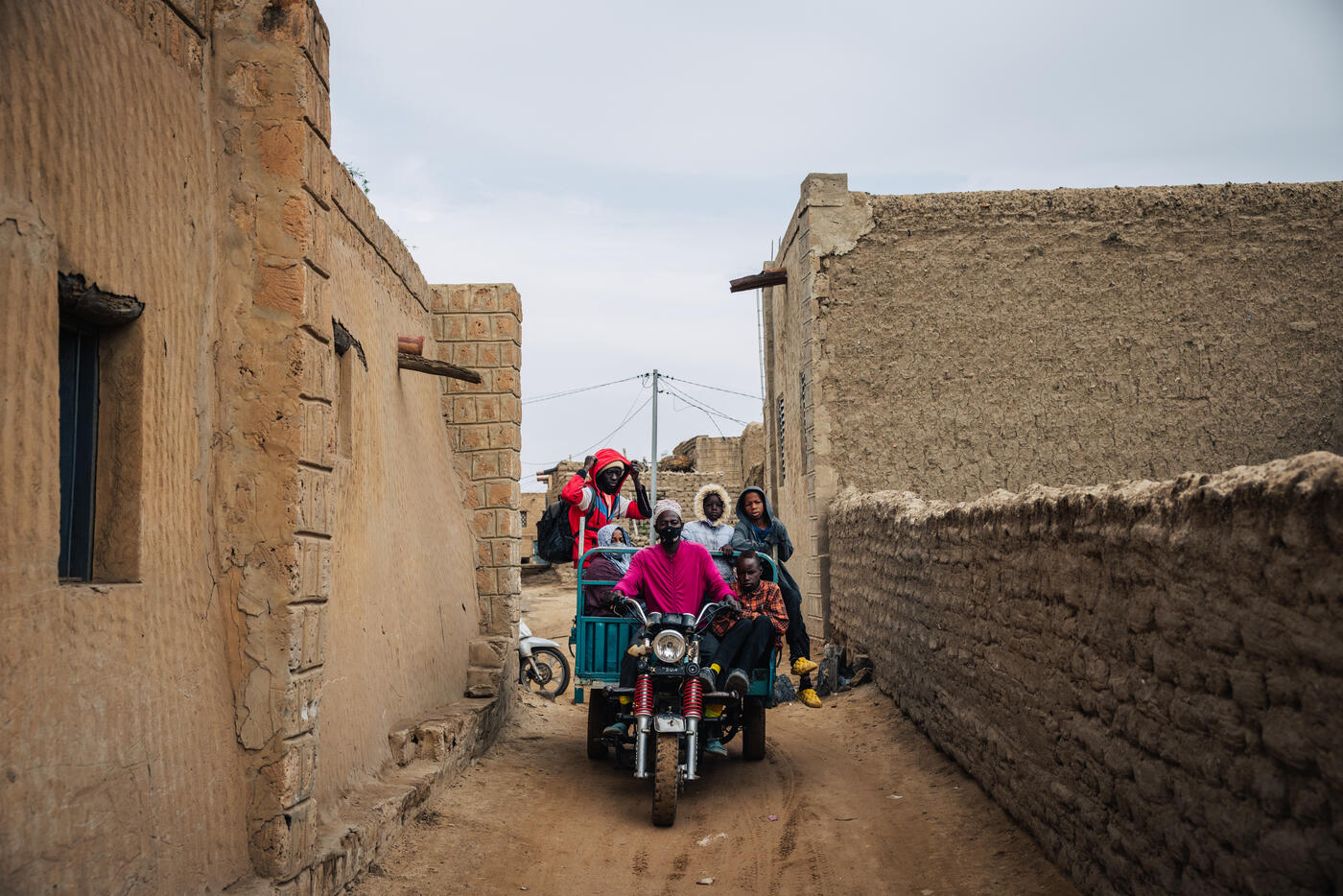
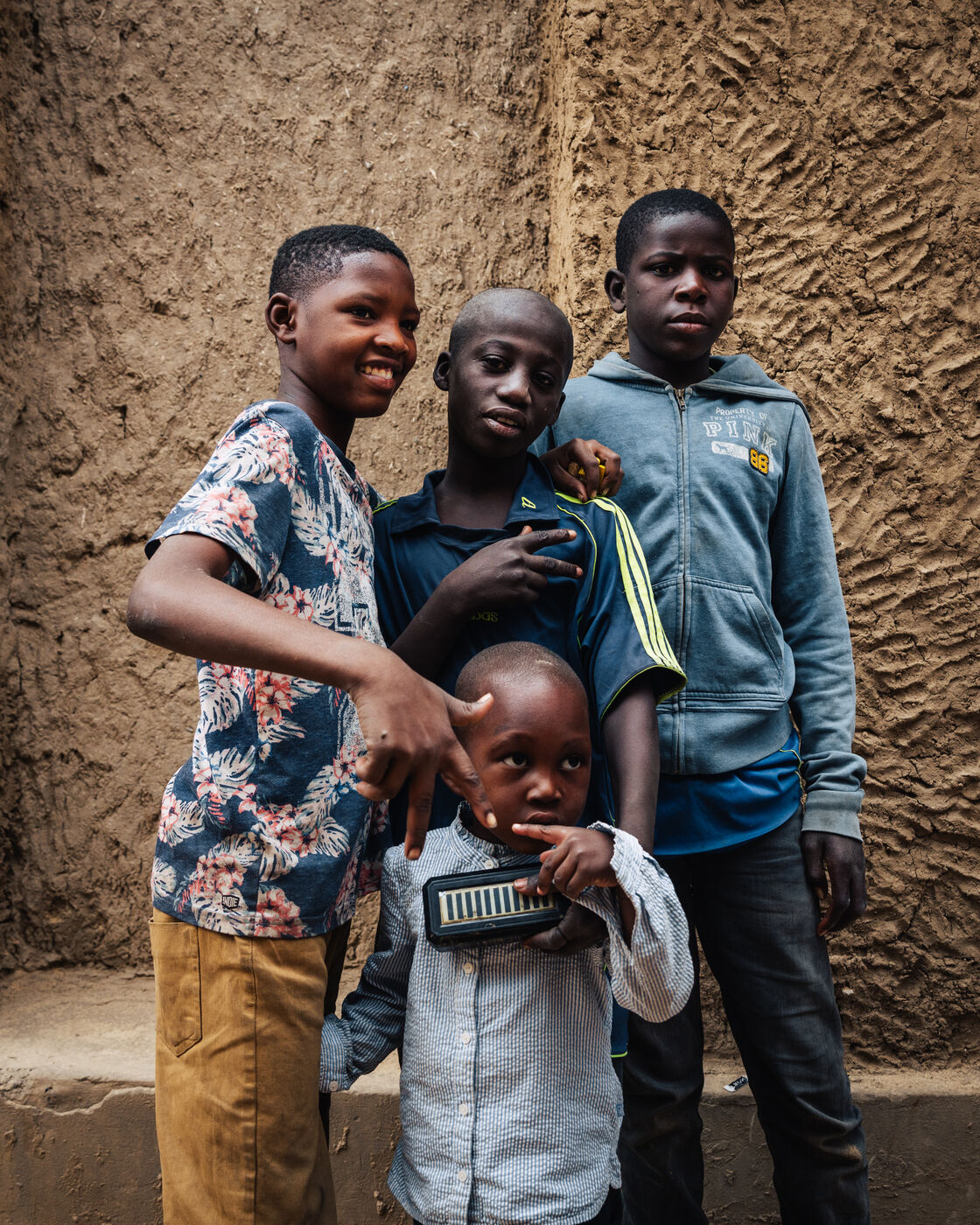
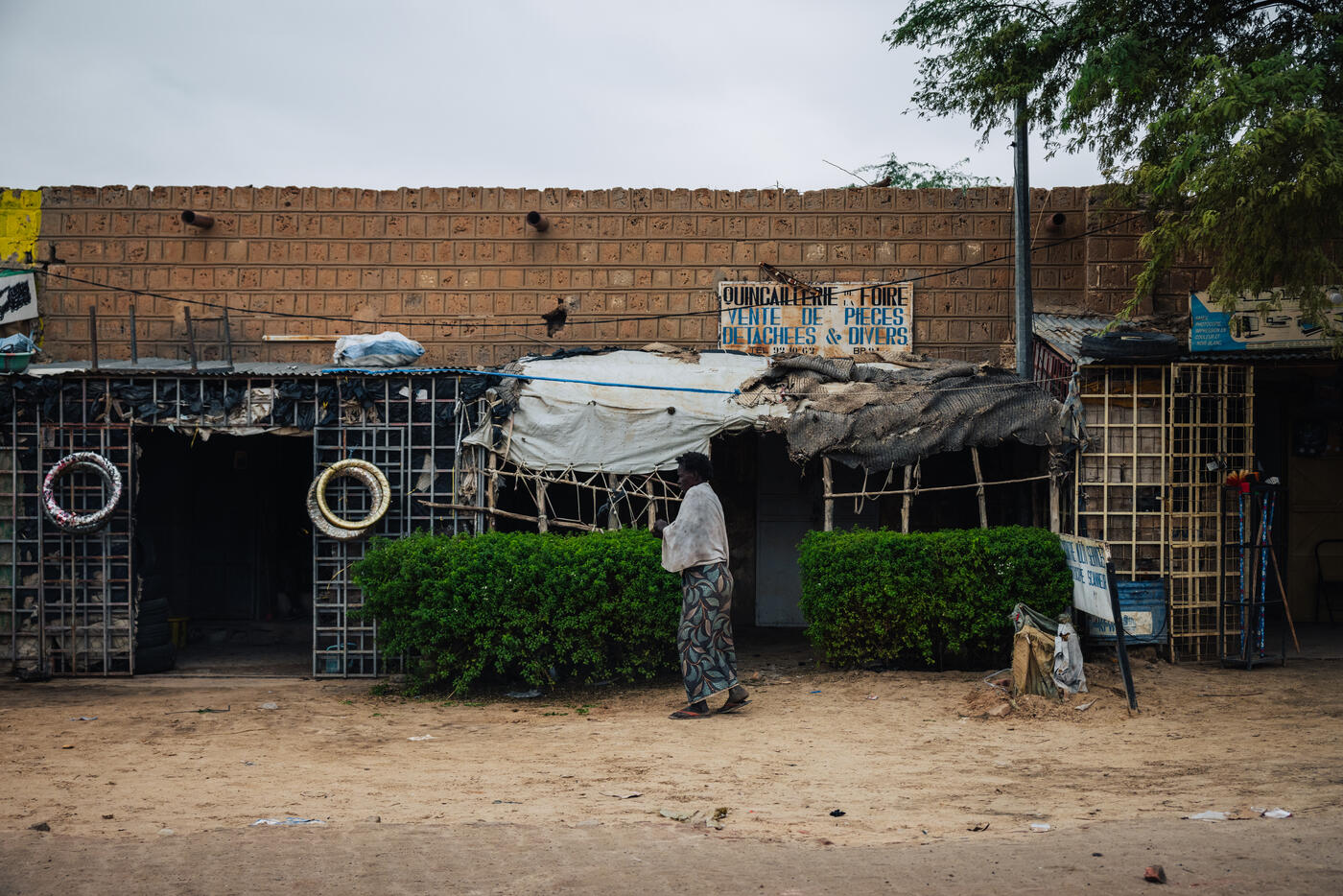
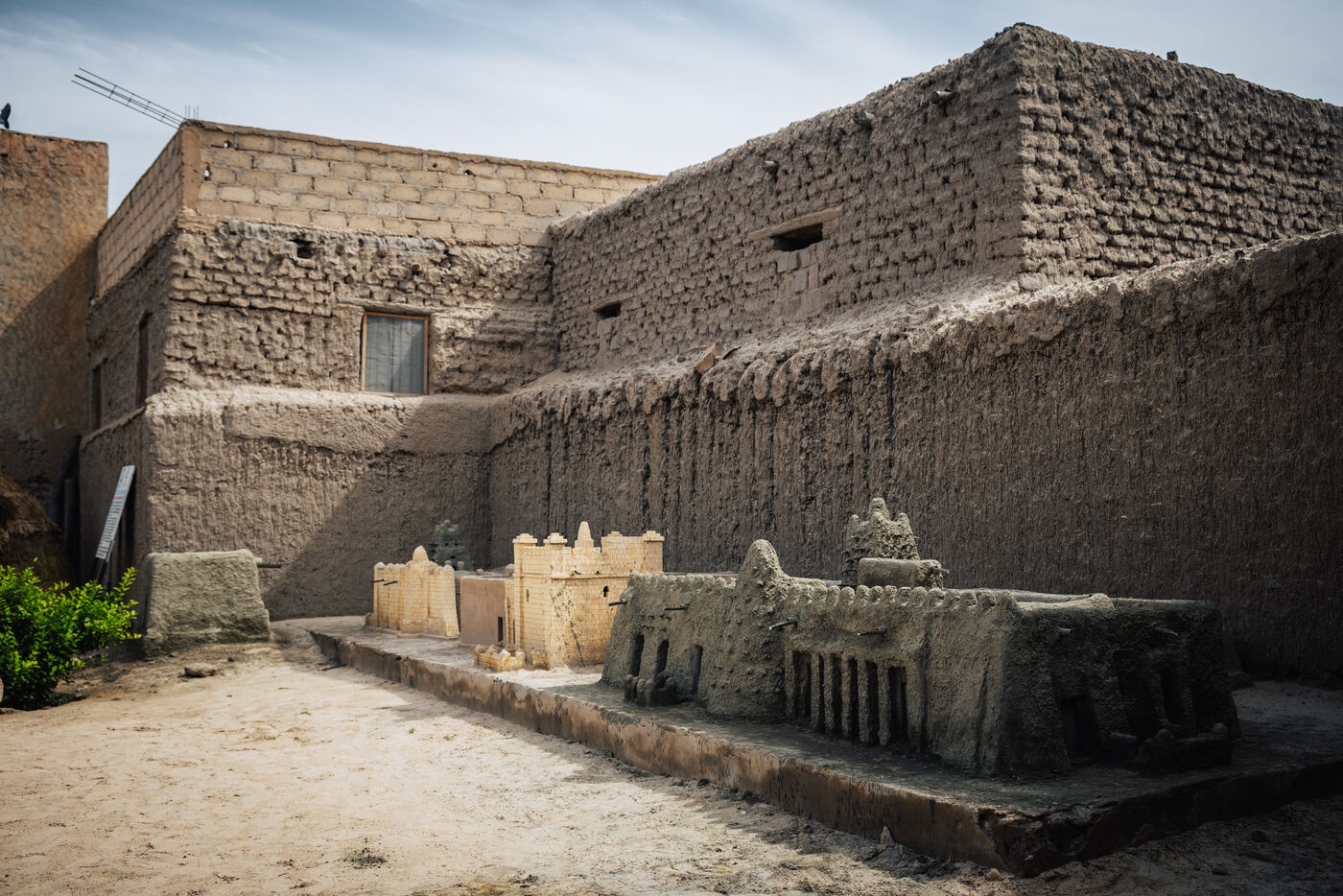
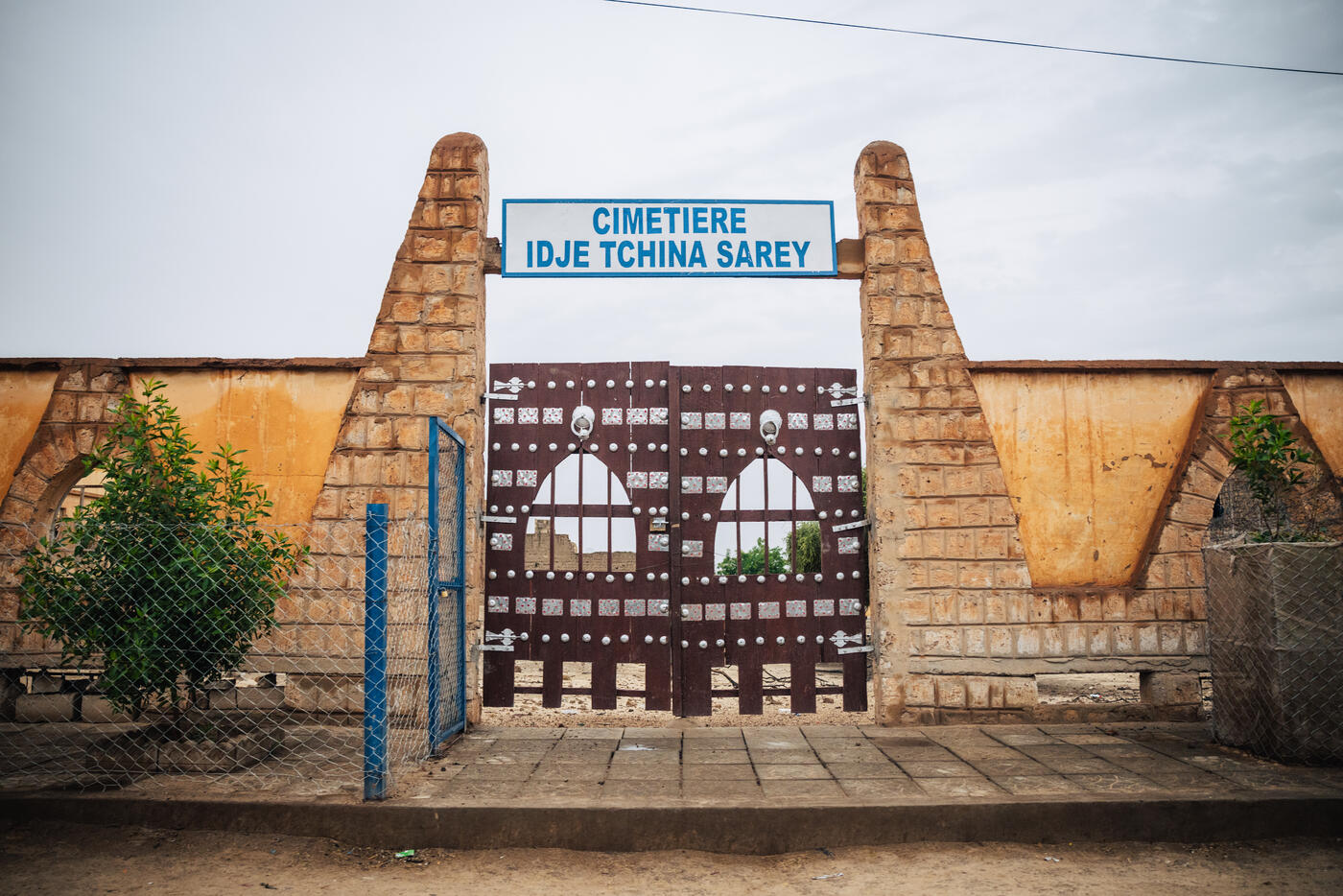
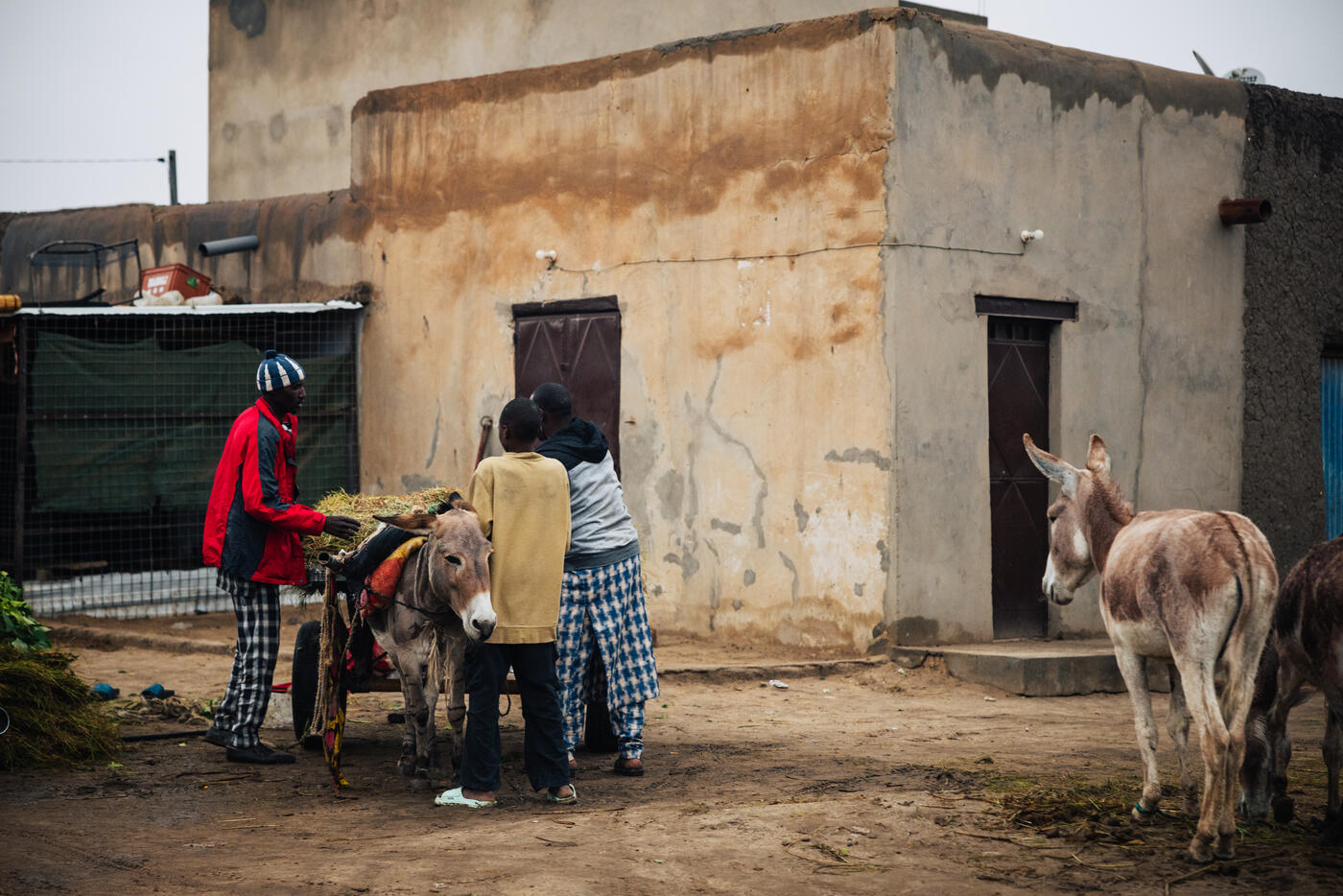
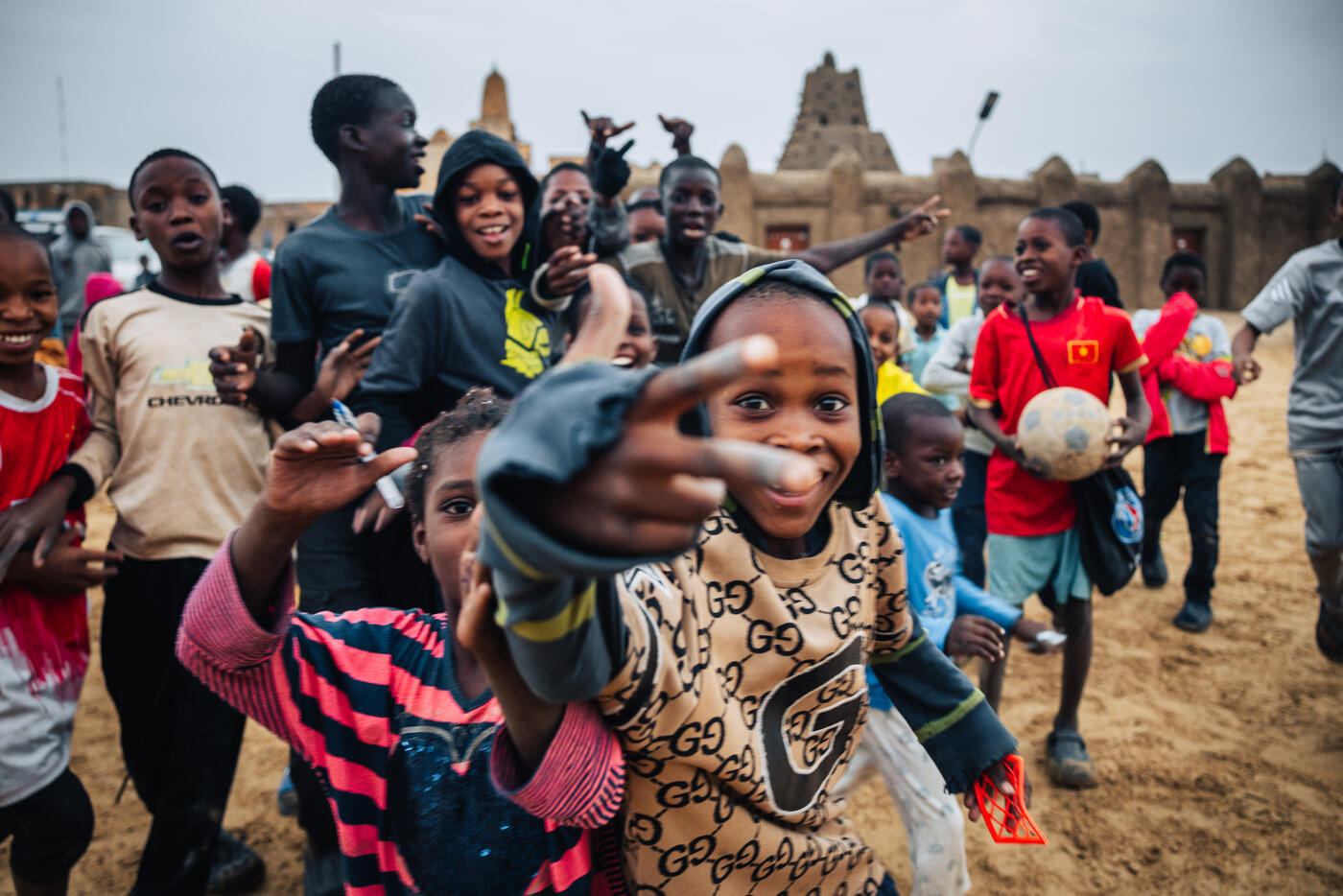
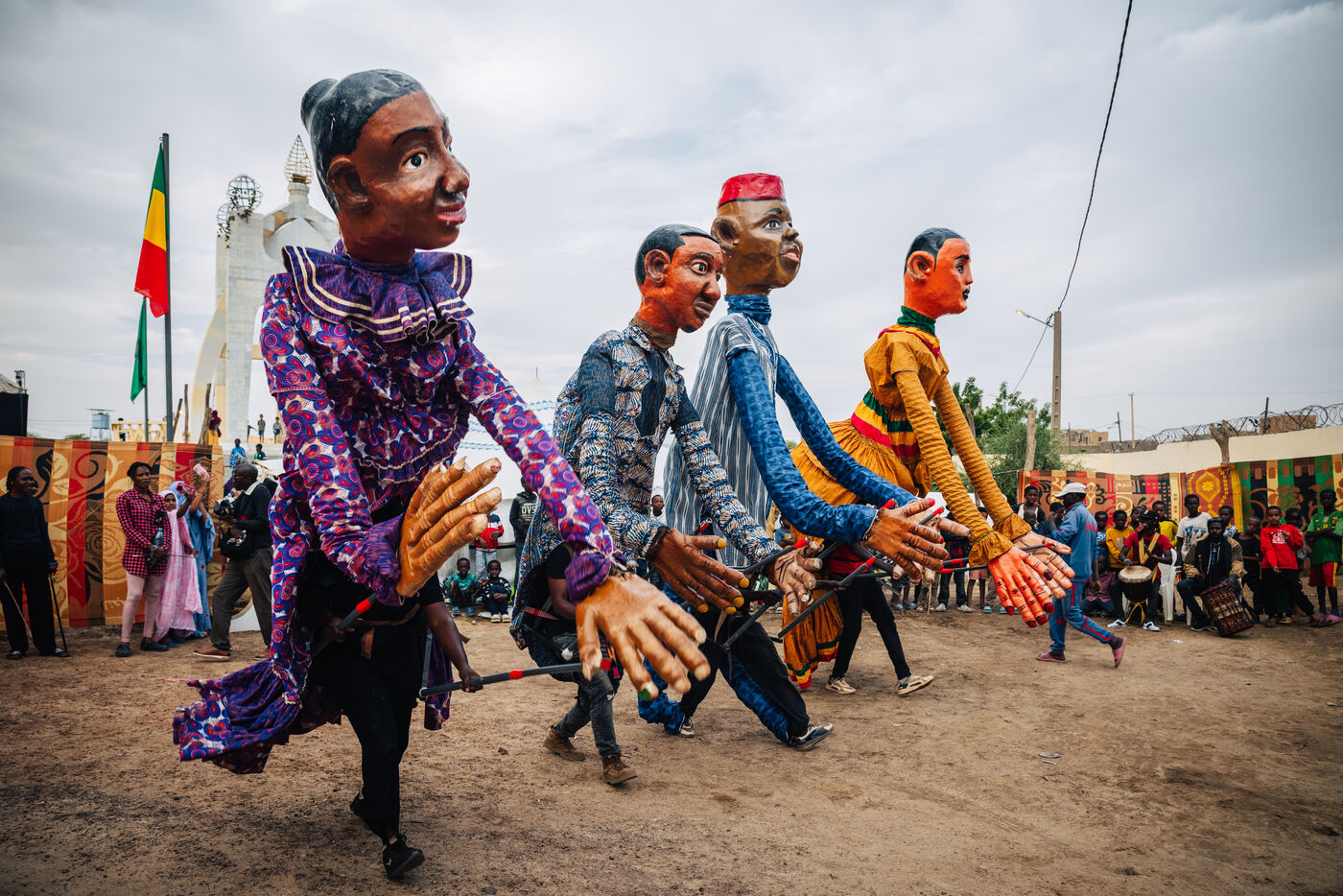
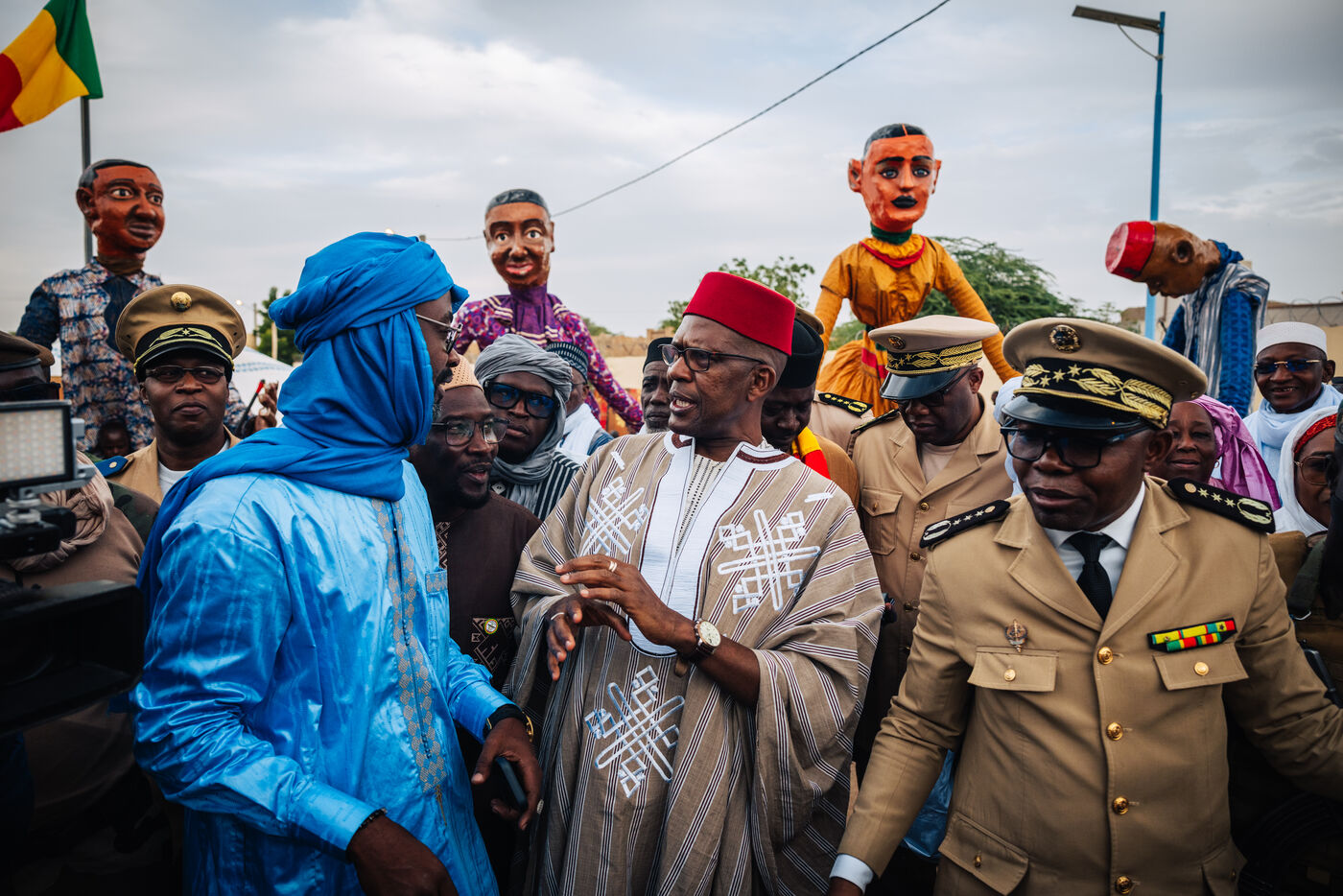
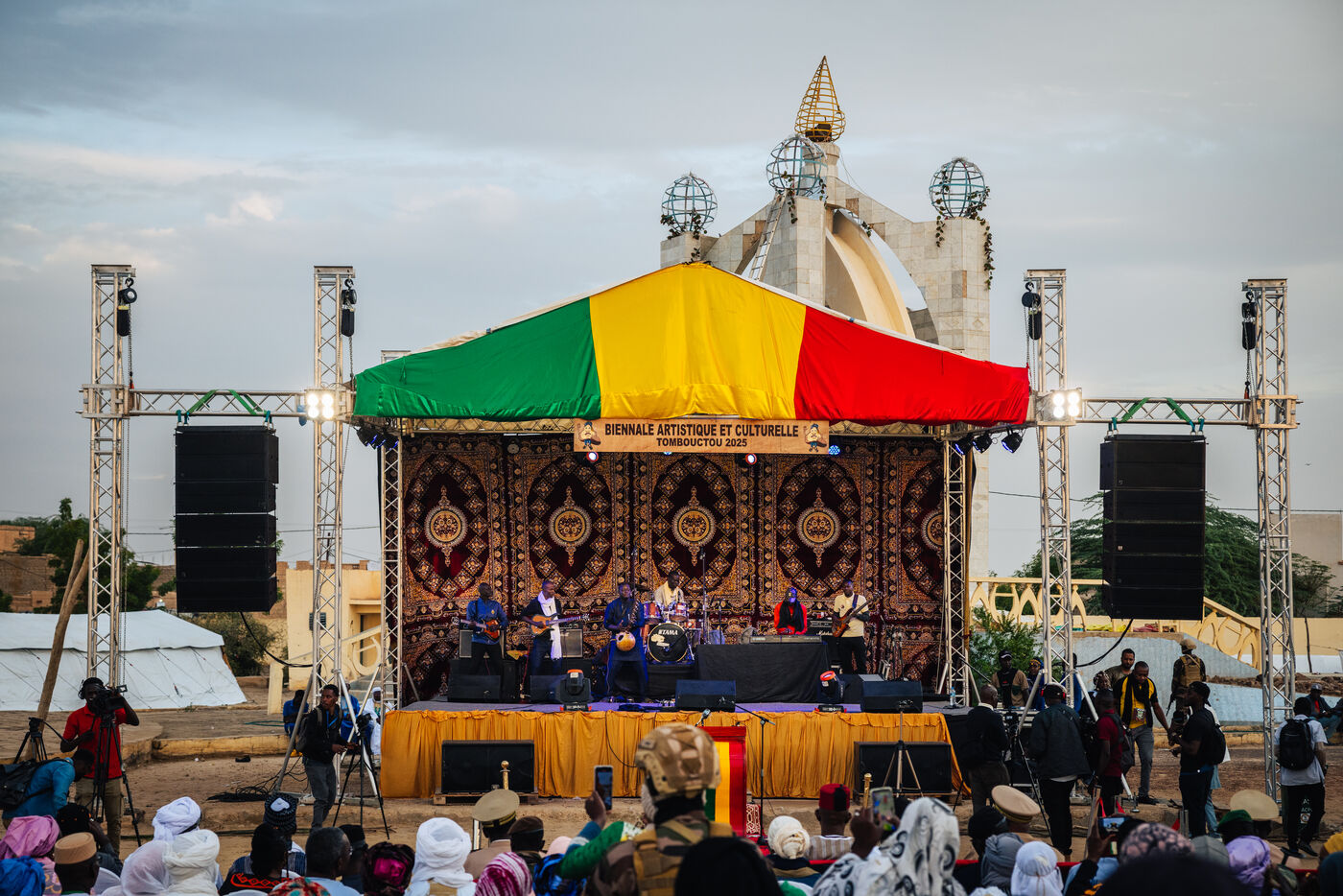
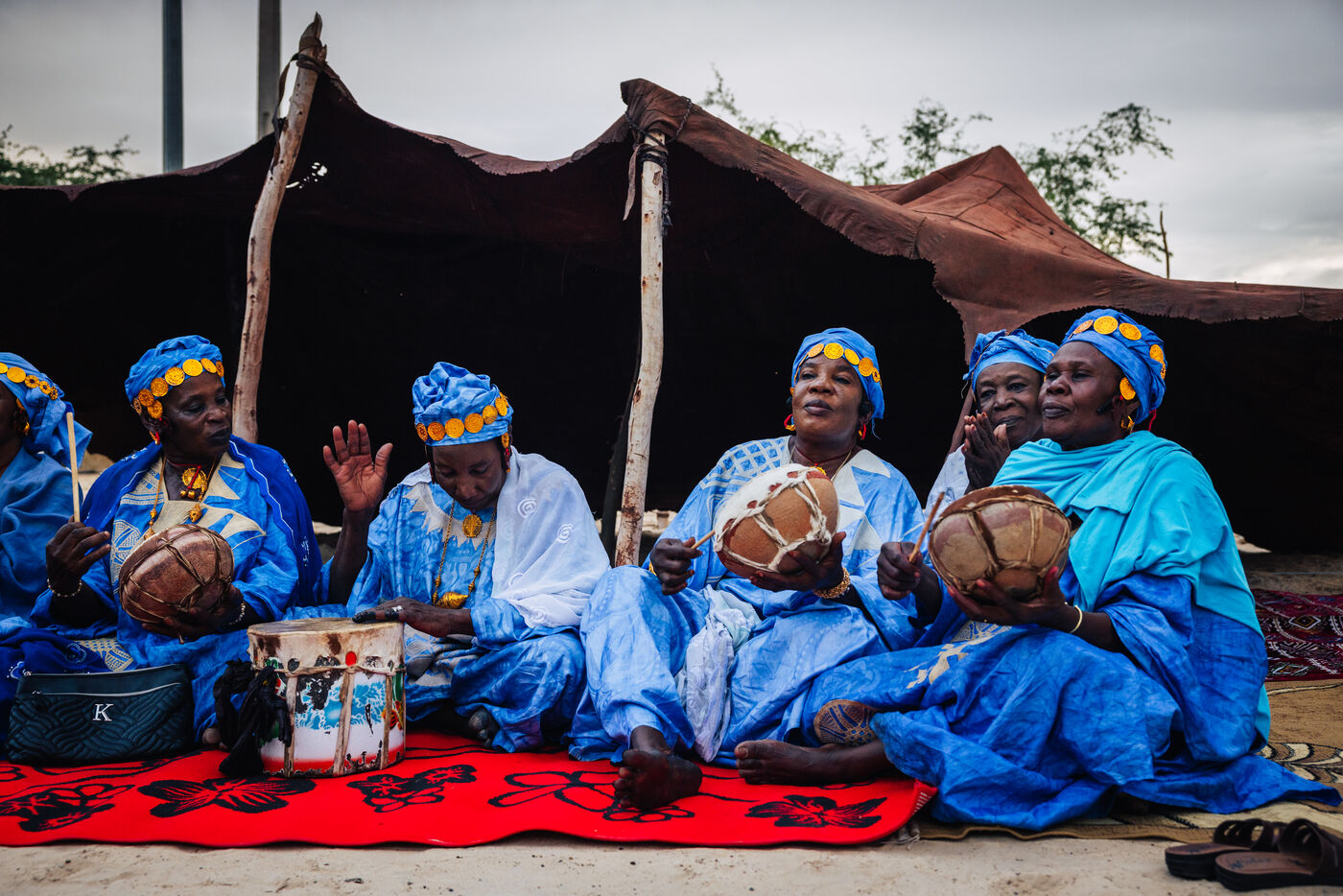
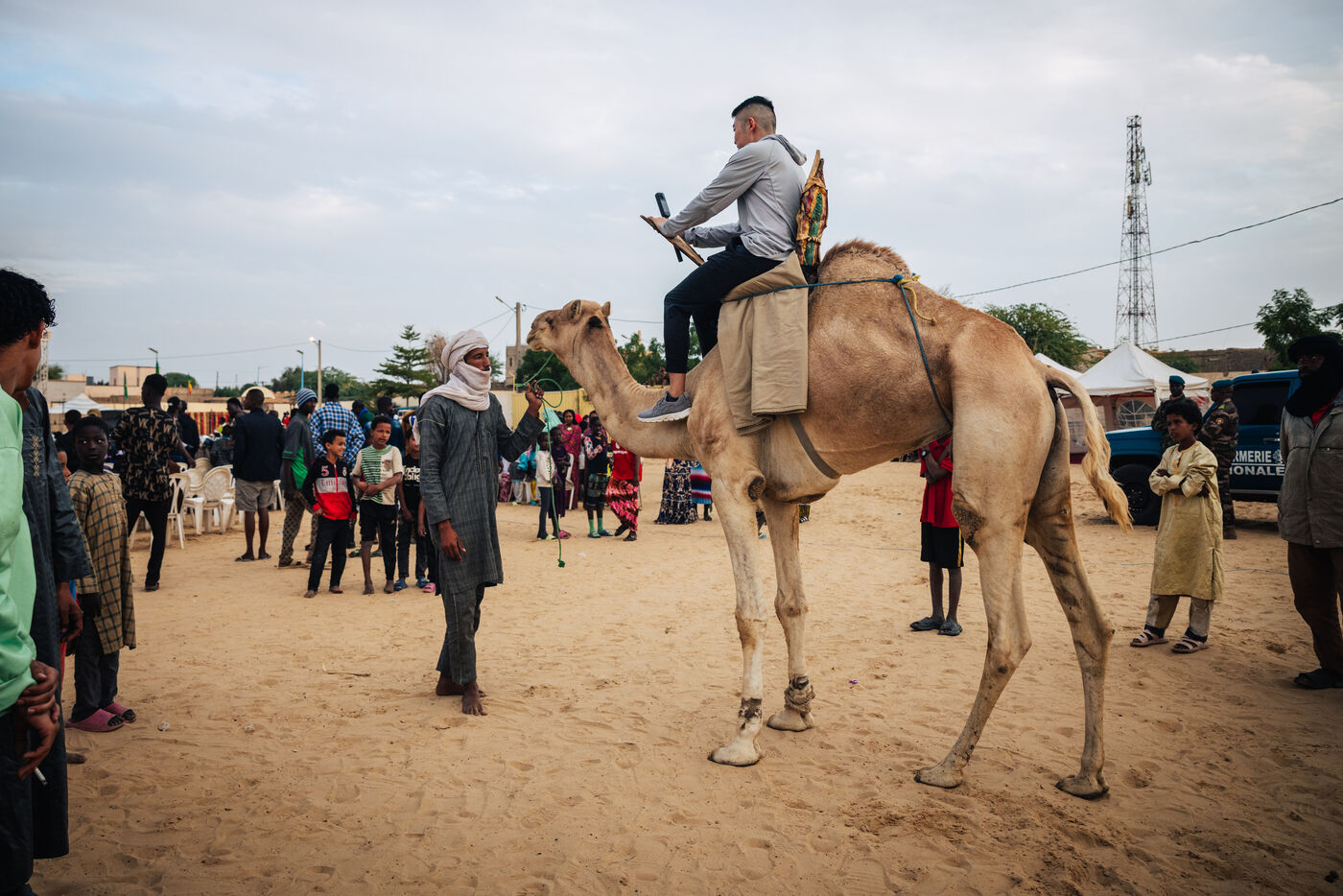
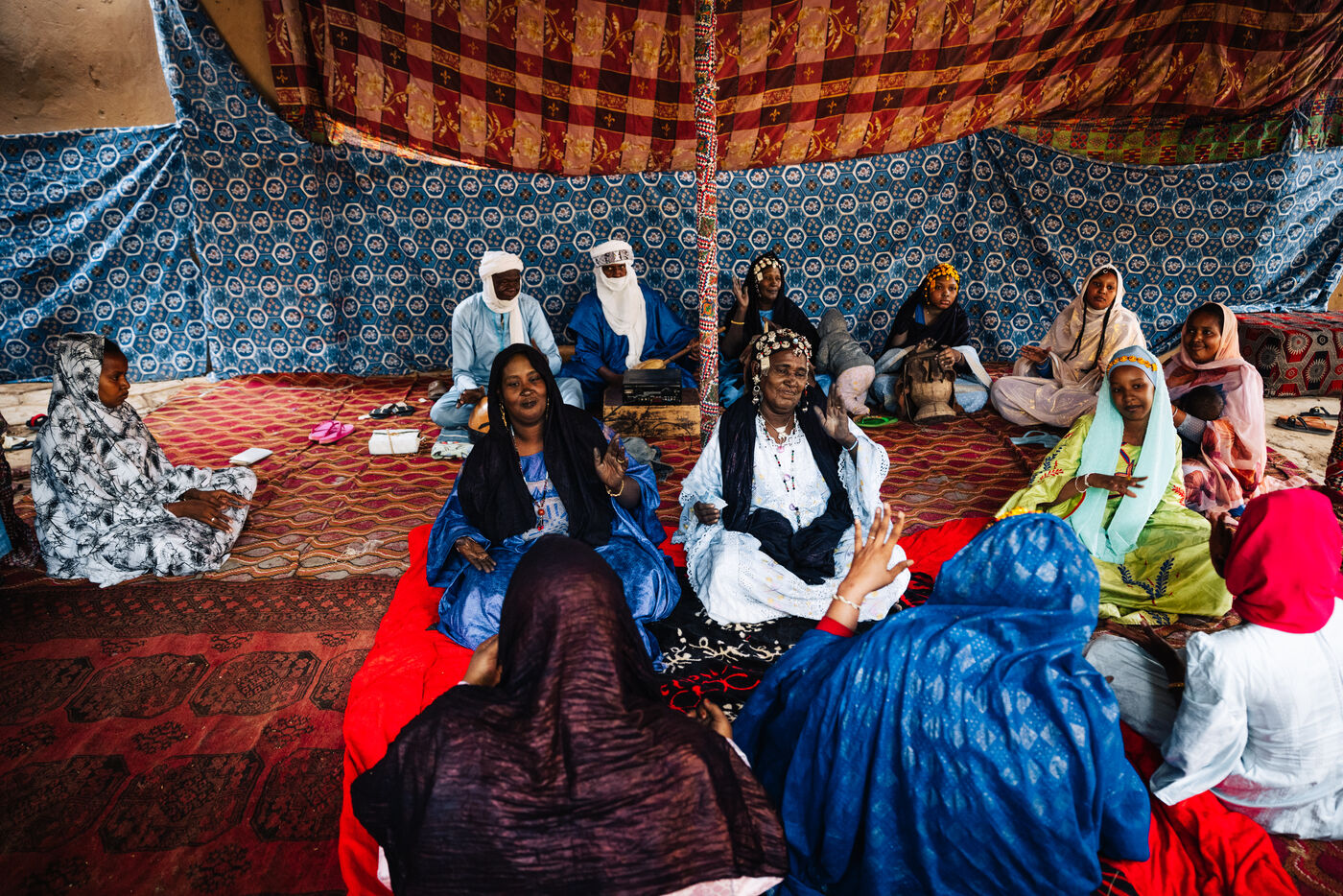
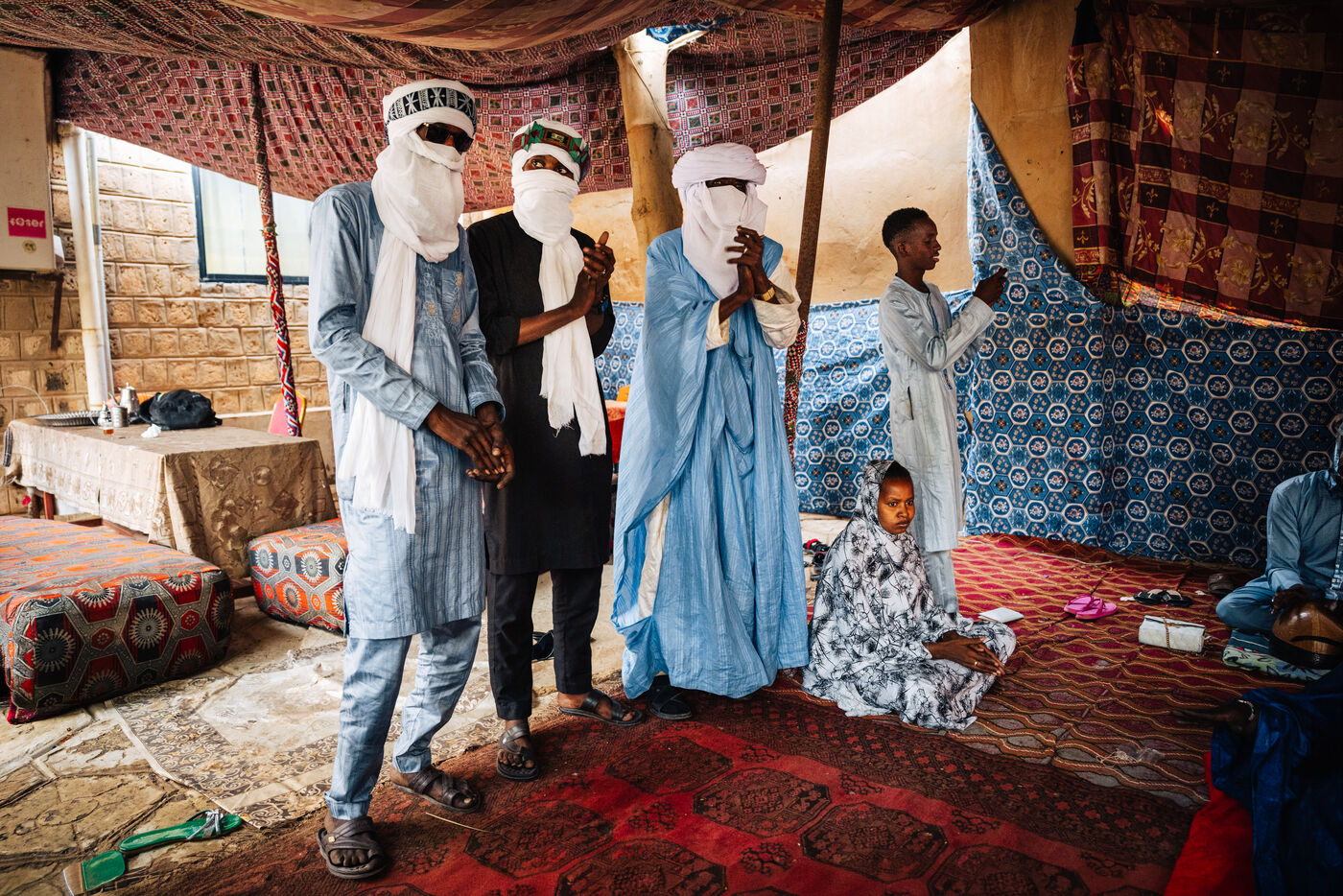
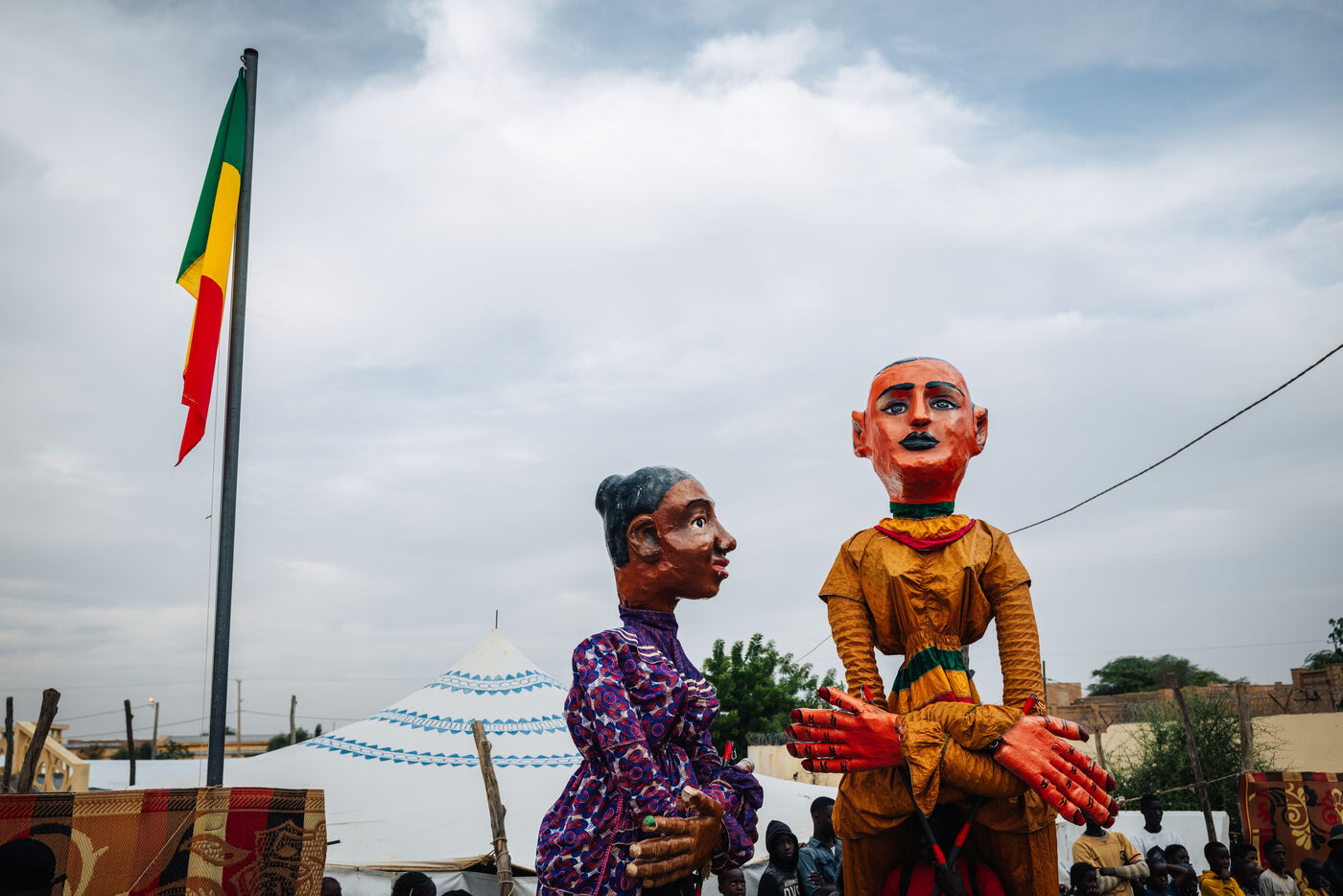
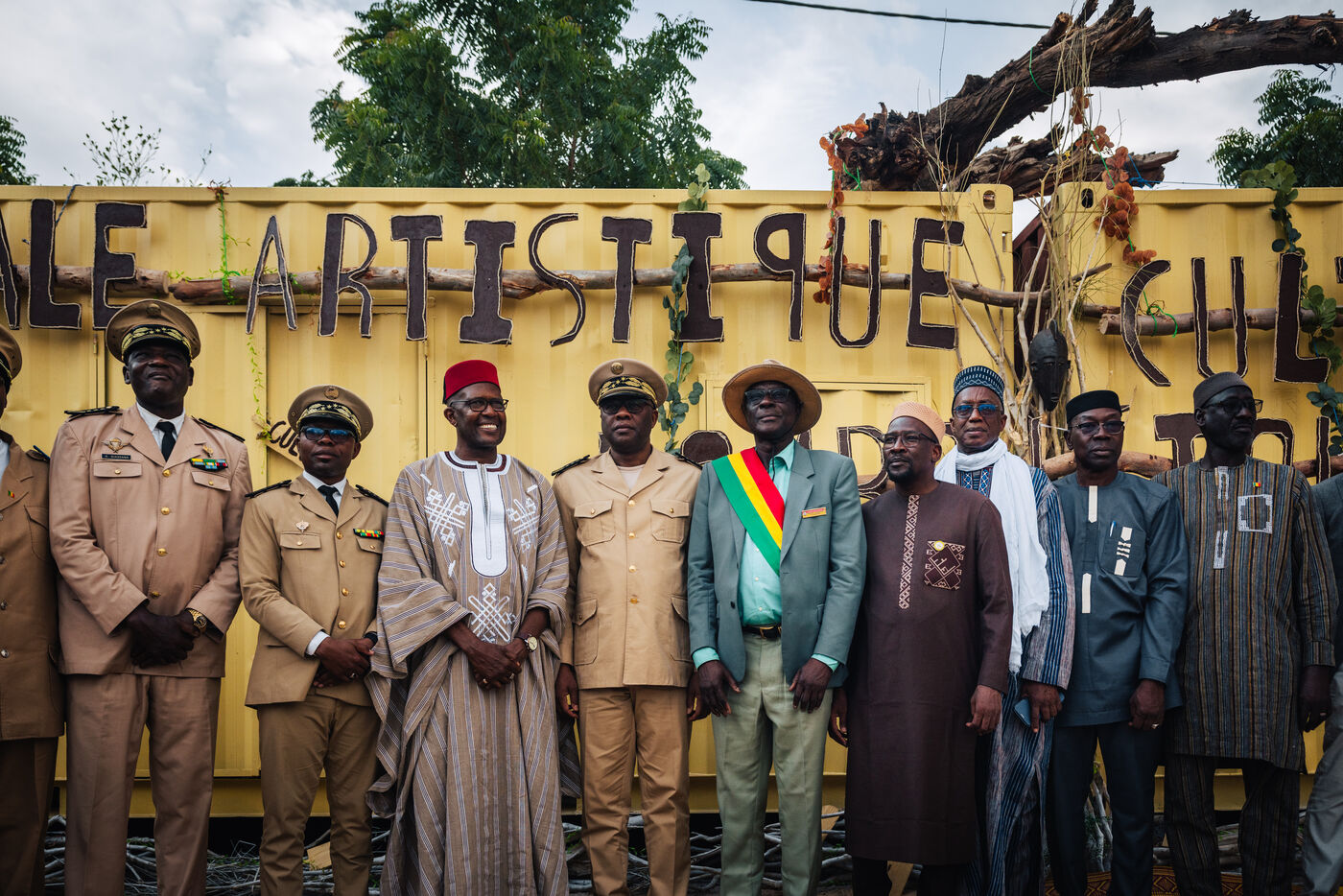
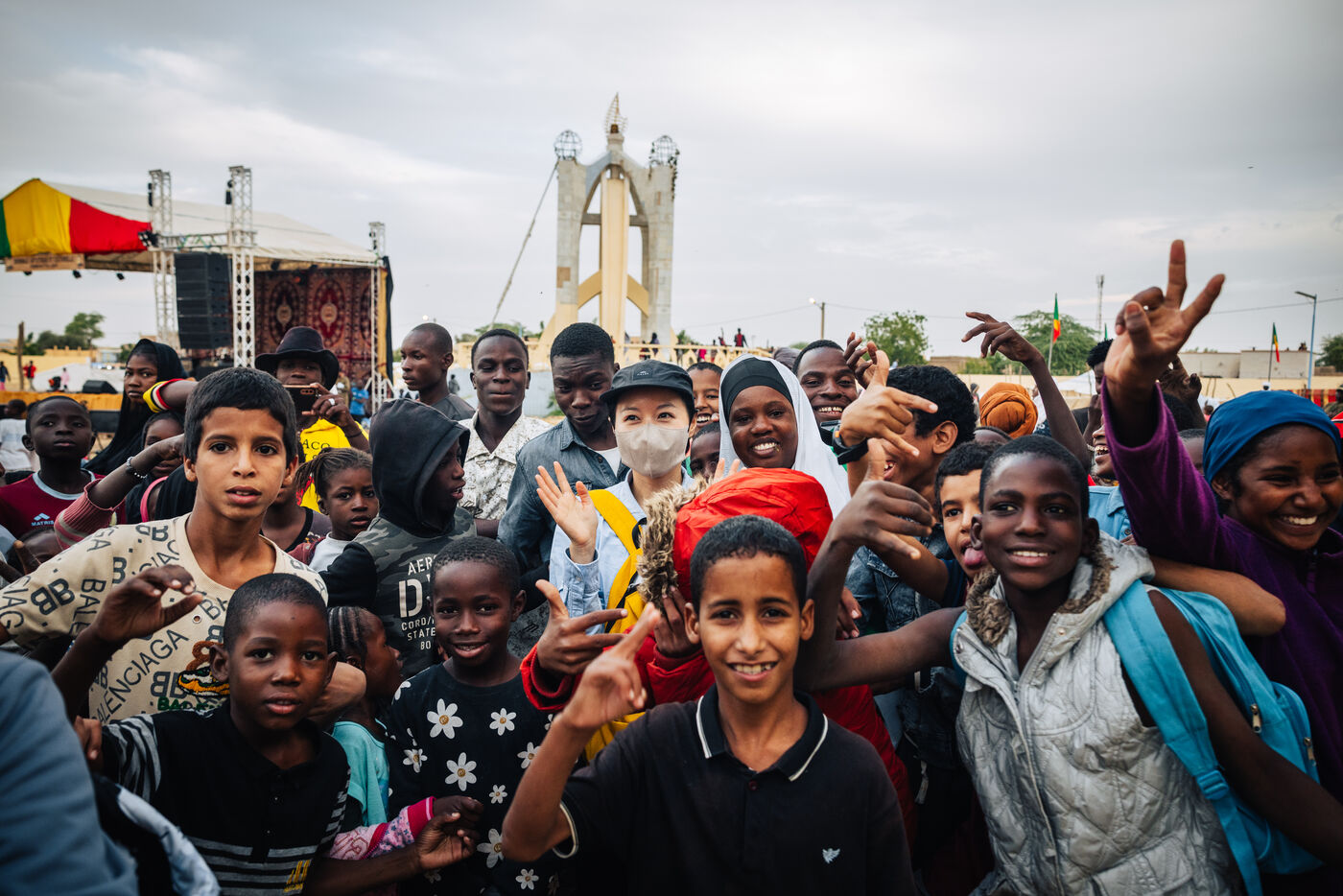
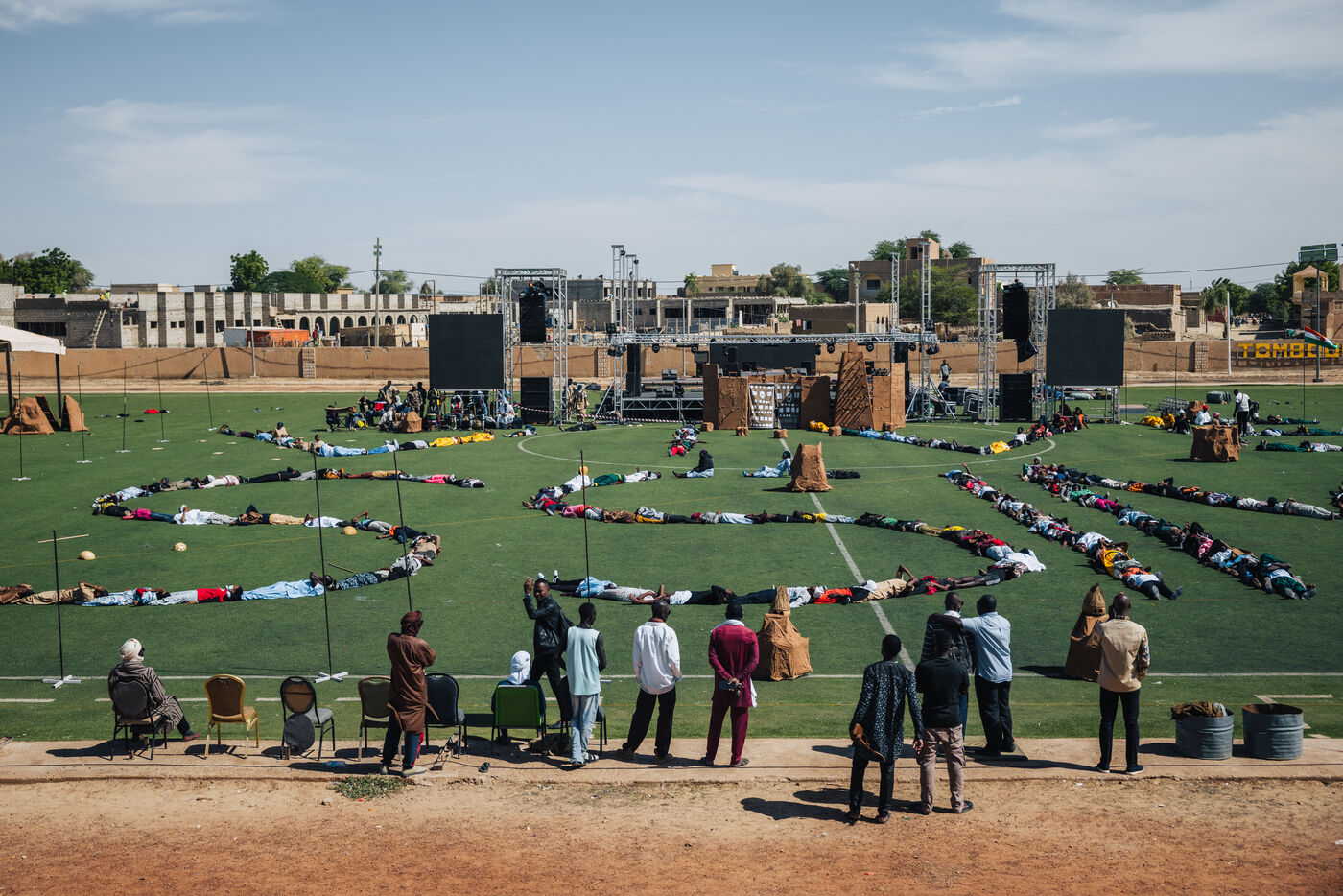
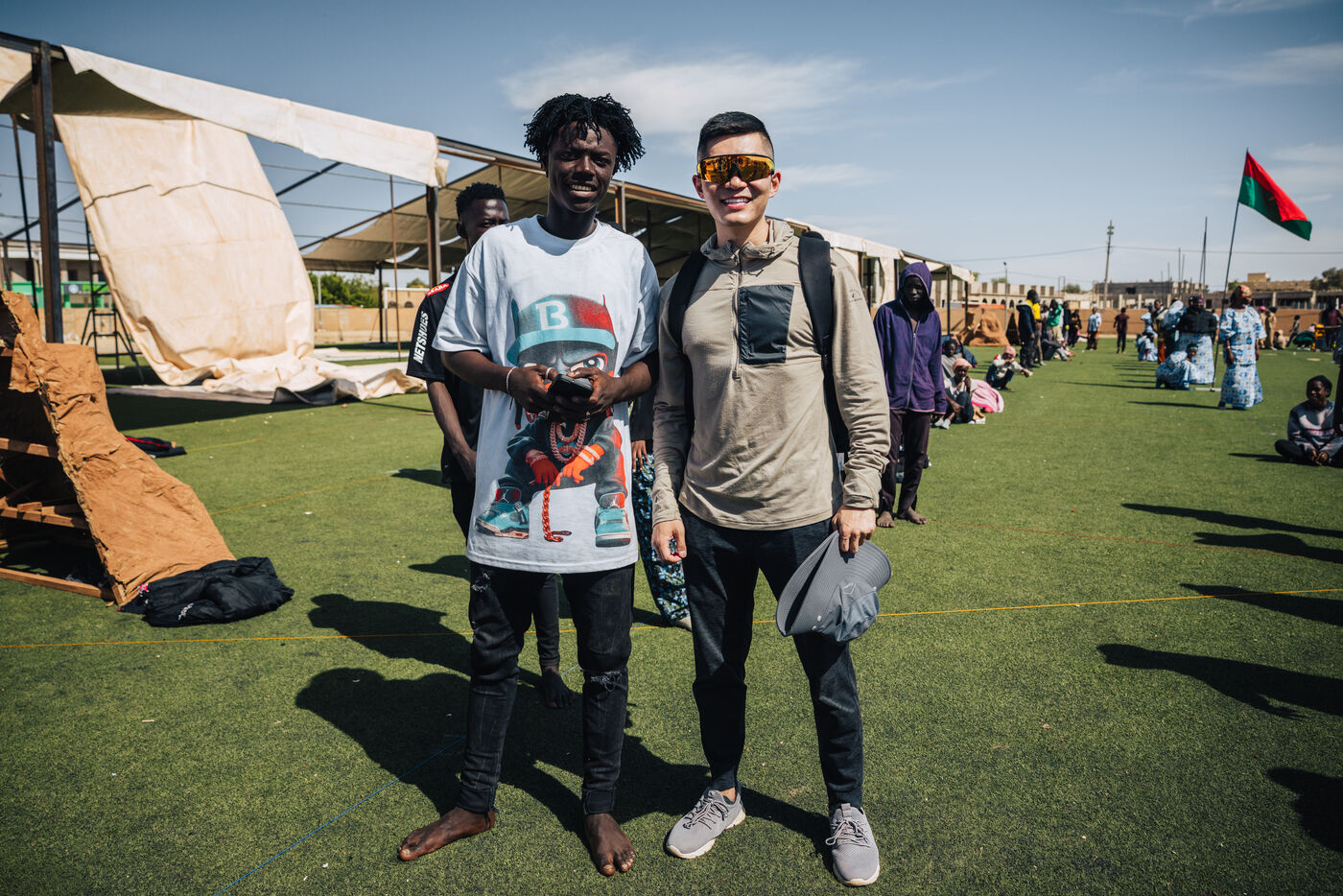
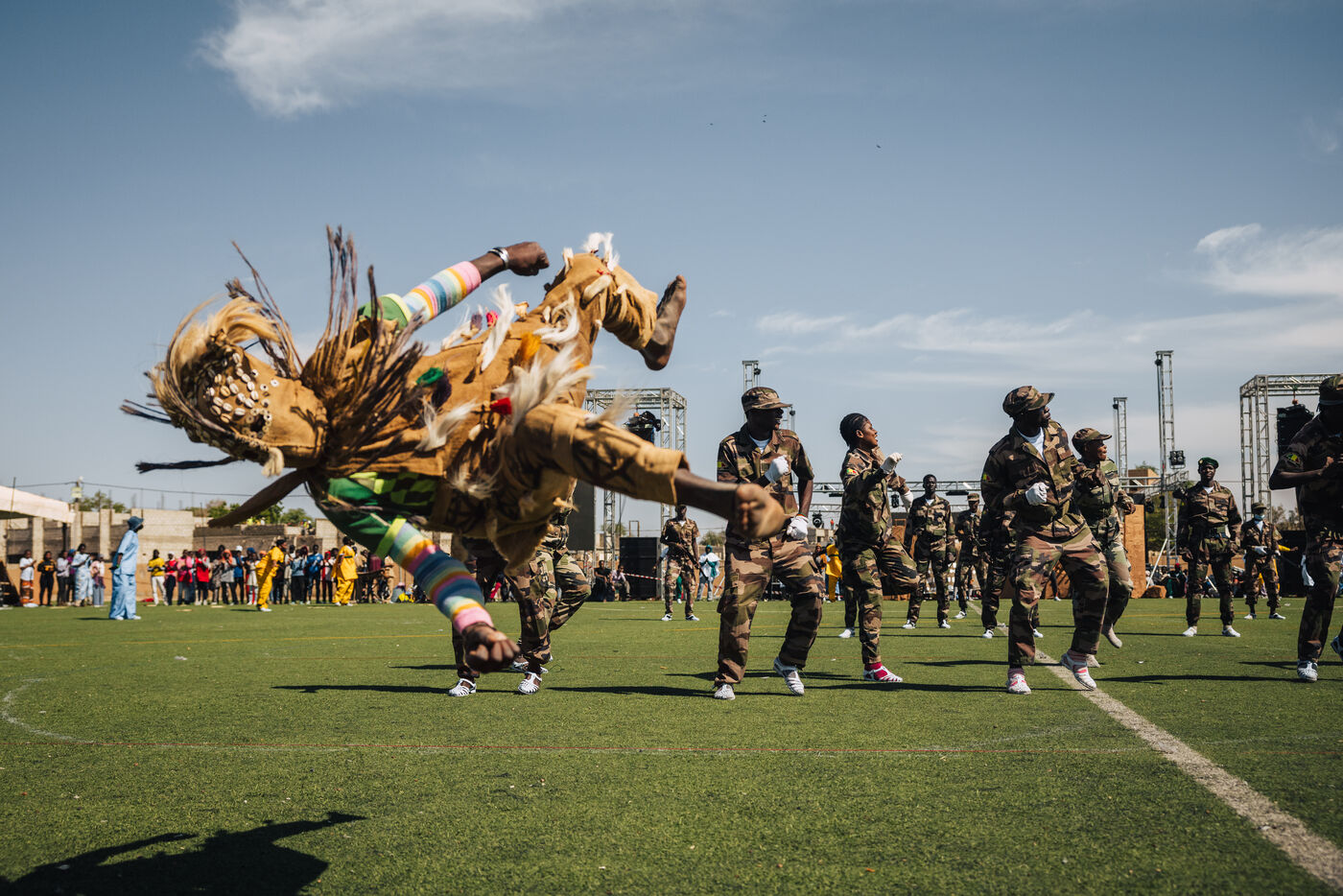
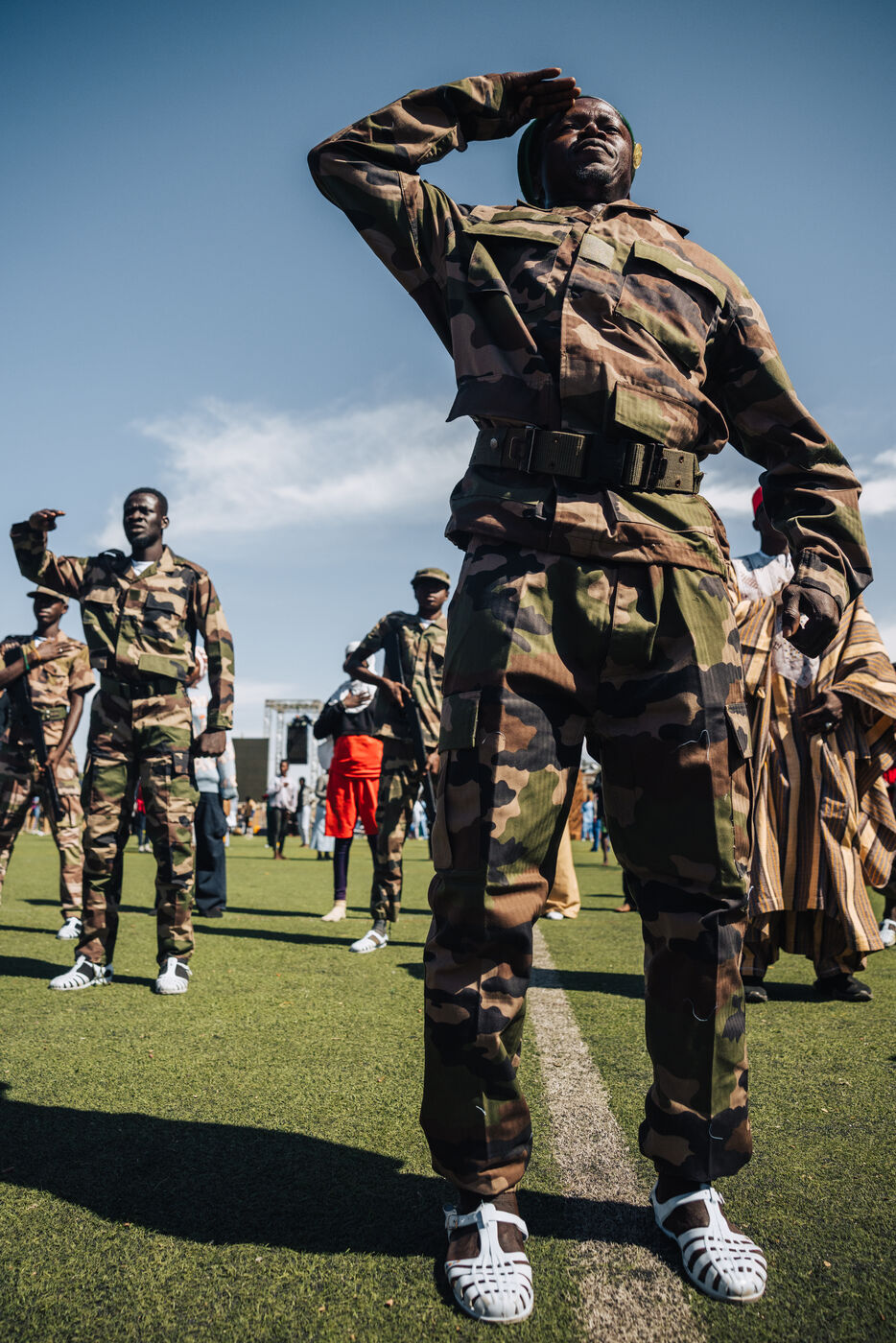
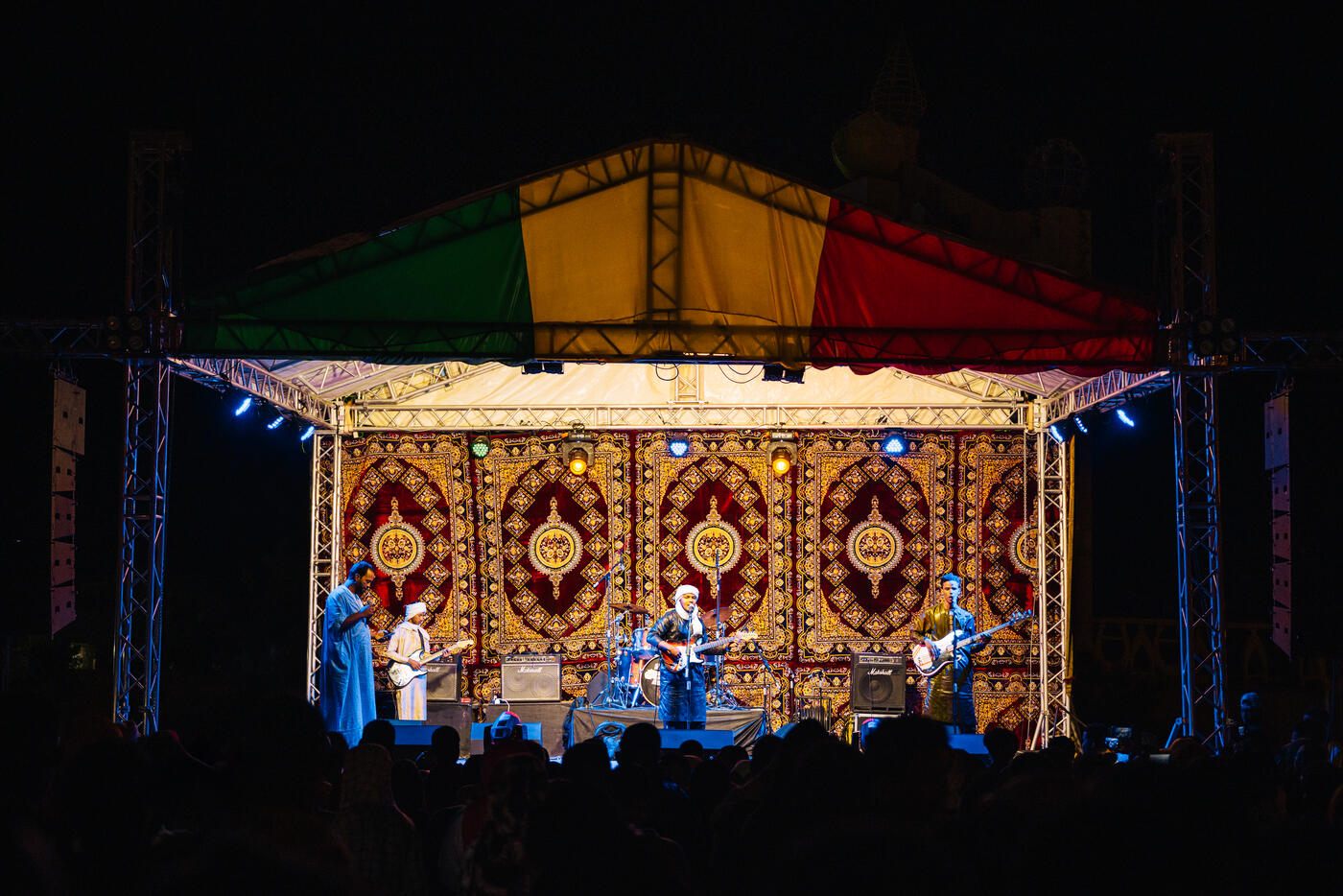
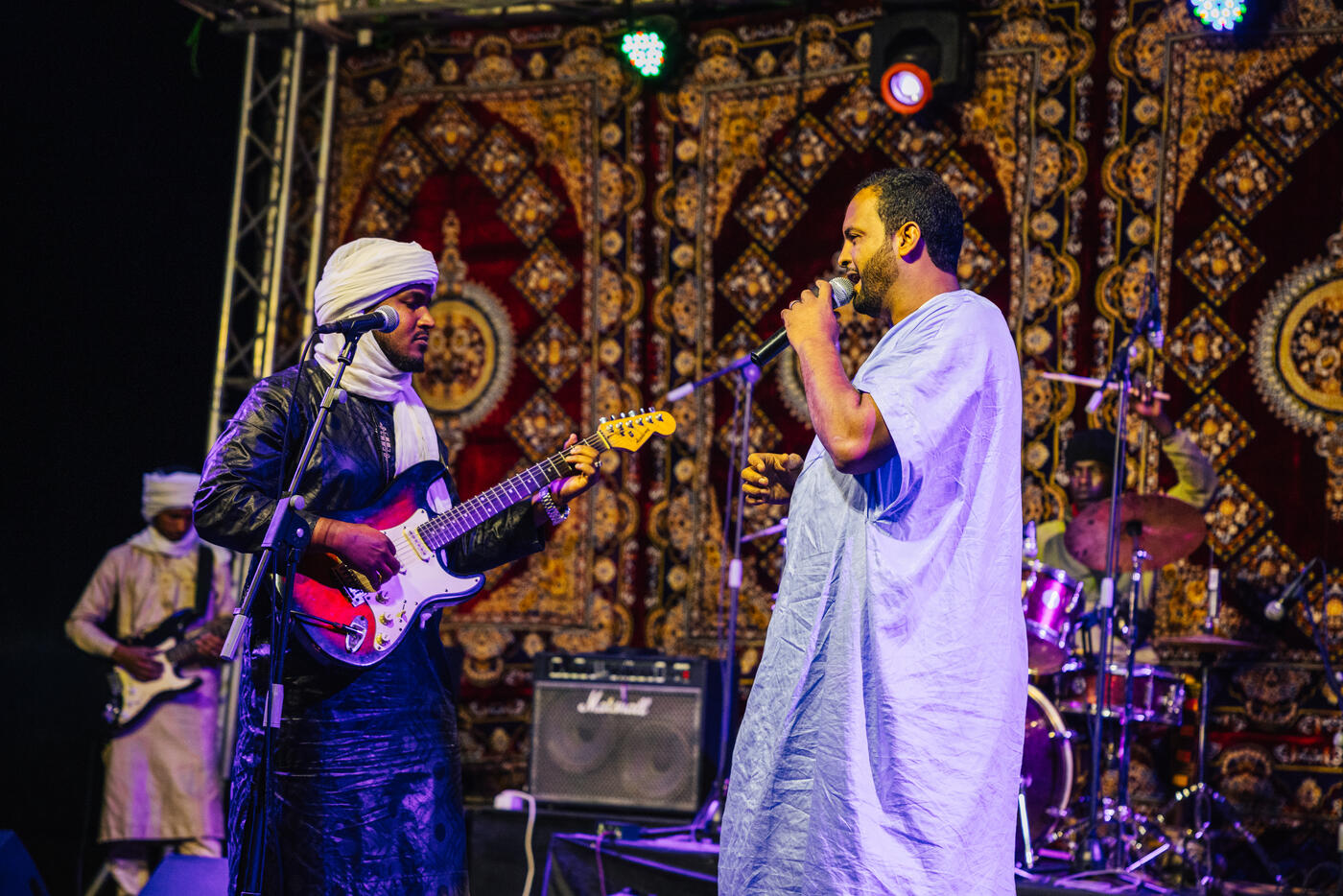
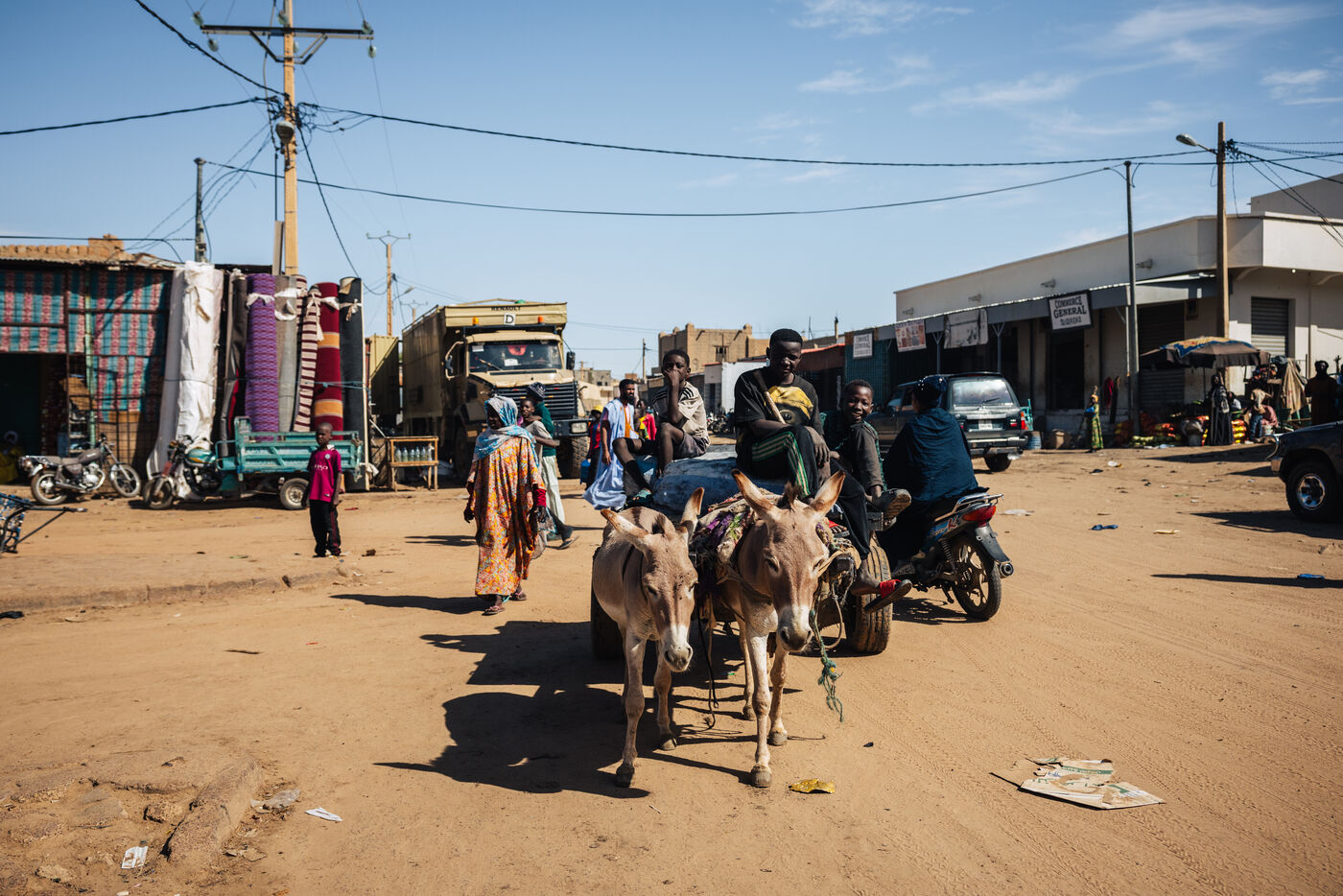
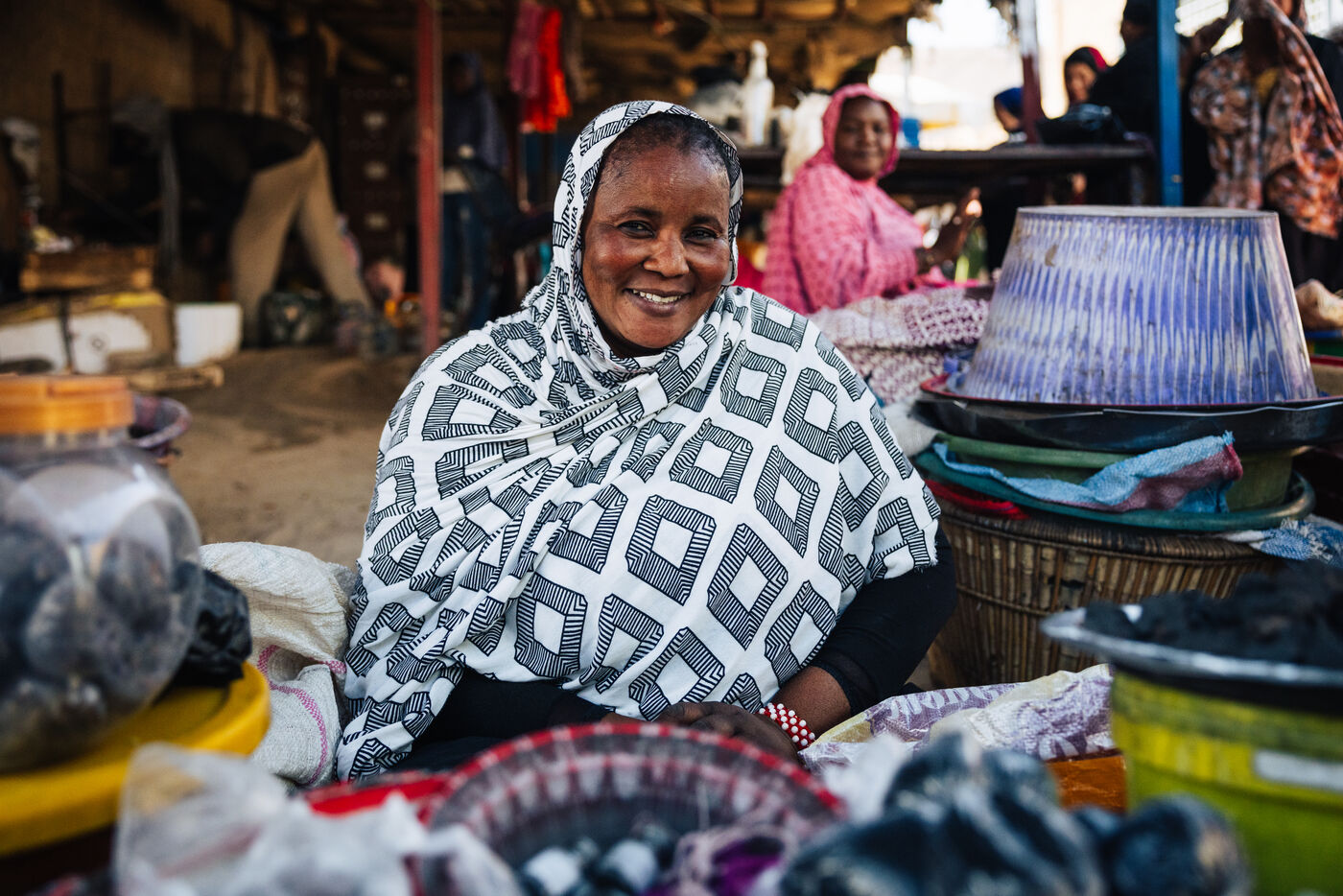
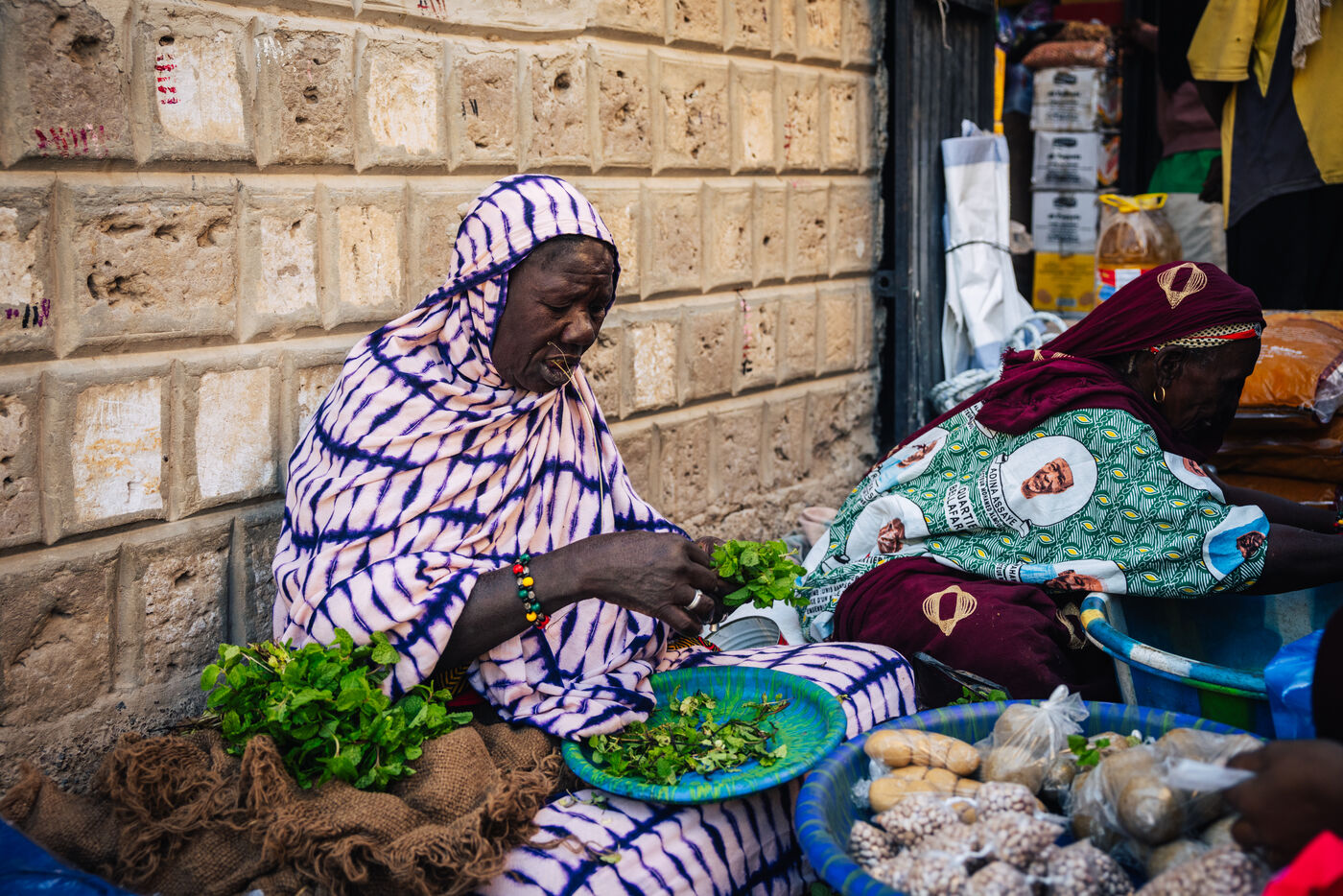
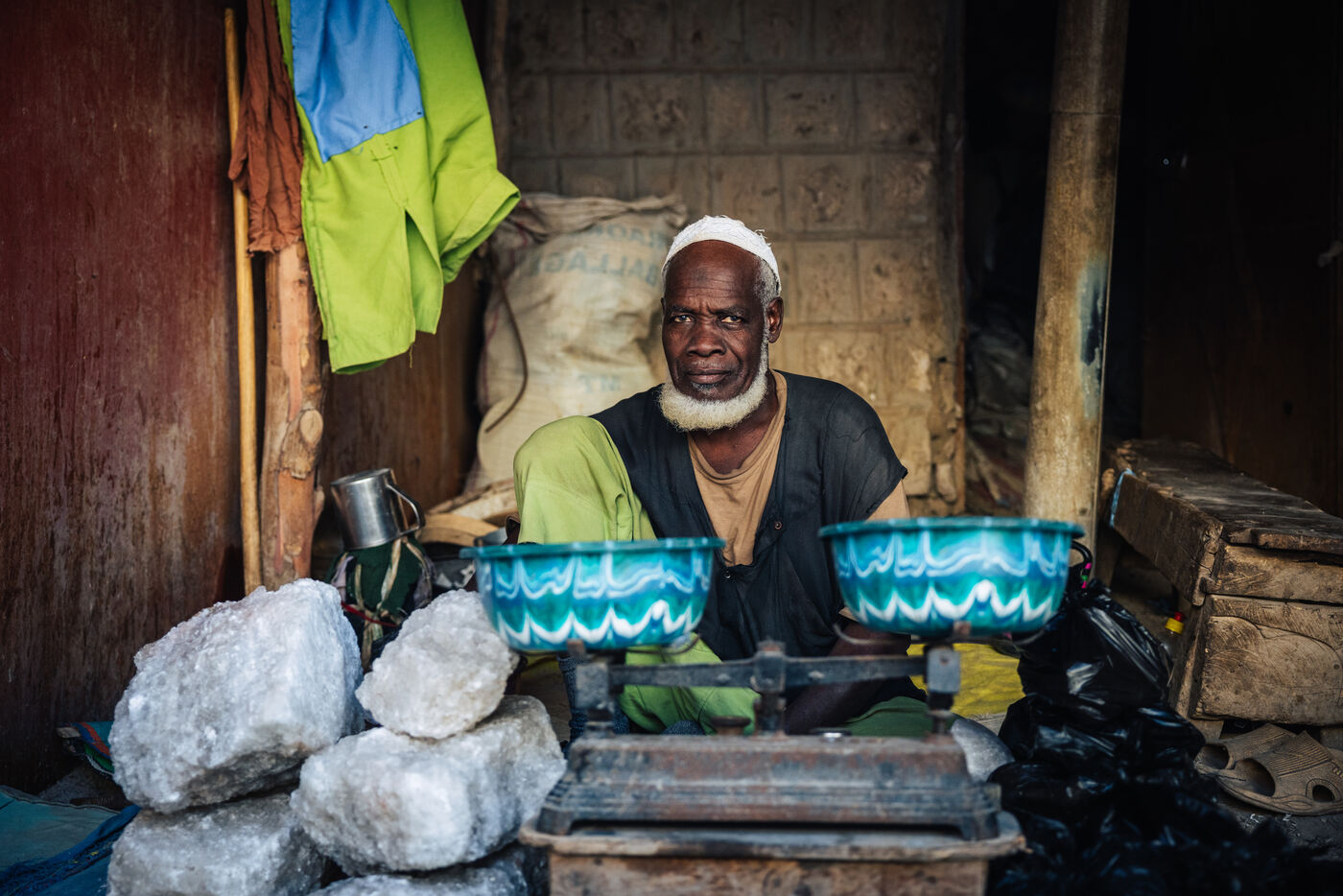
We flew in from Bamako and landed to a greeting of more than a dozen military and police escorts. Over the next two days, we explored three UNESCO World Heritage mosques dating to the 14th and 15th centuries, held manuscripts that predate the printing press, wandered sandy streets where donkey carts outnumber cars, attended Mali's largest national arts festival, and walked through a market where Saharan salt slabs are still traded as they have been for a thousand years. This is what 48 hours in Timbuktu looked like.